On Colour
Colour is often treated as secondary, applied after form, used to differentiate or decorate. In practice, it operates more fundamentally. It shapes perception, defines atmosphere, and signals intent, often before anything else is registered.
Despite this, it is rarely examined closely in everyday settings.
Observation and collection
My own approach to colour begins with observation rather than selection.
Combinations are noted as they appear, in passing, often incidentally. A particular arrangement of tones on a street, a surface, or an object. These moments are not designed, but they are resolved. They tend to carry a kind of internal logic that is difficult to construct artificially.
They form the basis of a growing archive.
The overlooked
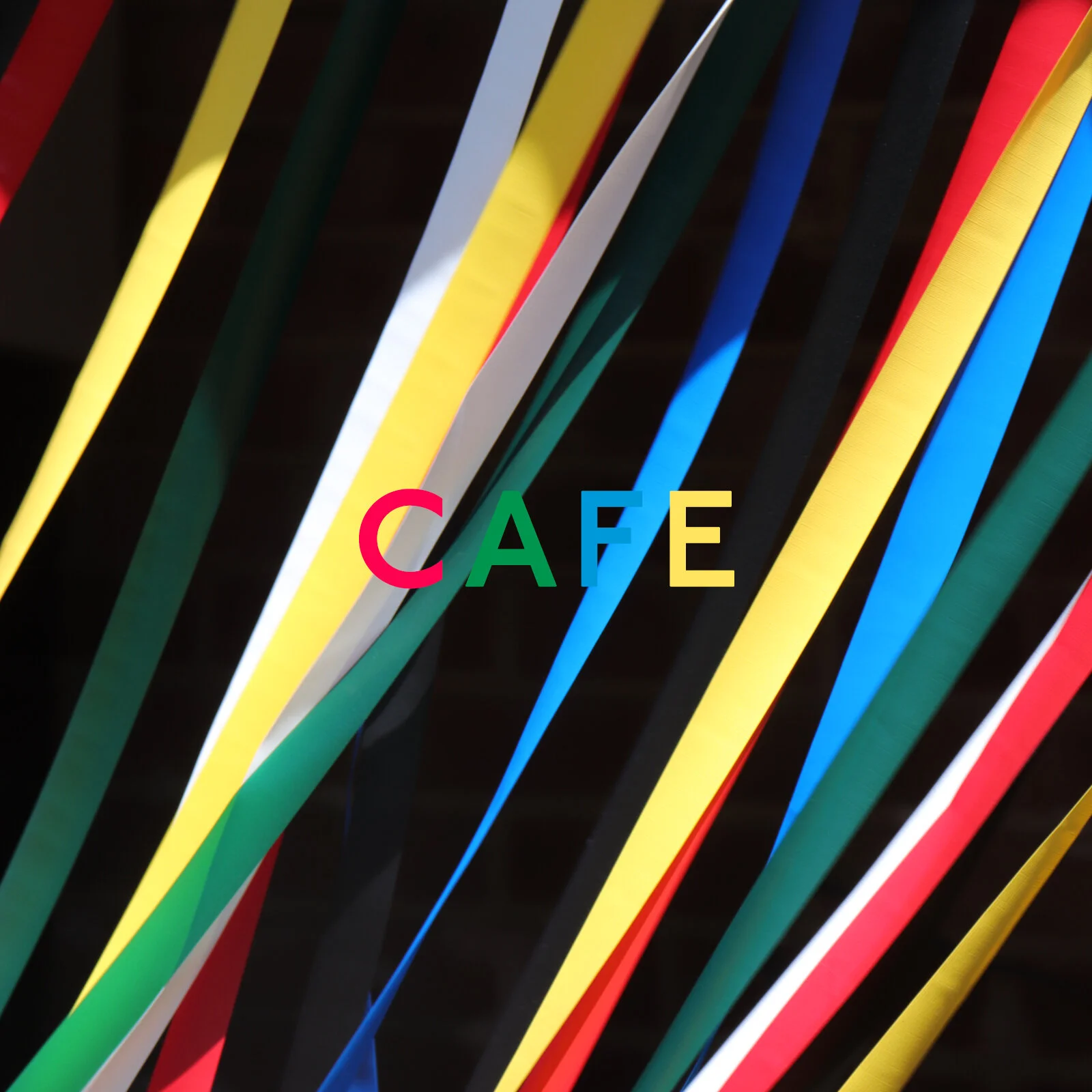
Recently, this has led to a focus on fly curtains, striped plastic screens once common in shop doorways.
They are functional objects, designed to separate interior from exterior while allowing movement. Their colour is incidental to this purpose, yet often handled with a degree of boldness: repeated bands, high contrast, combinations that are both direct and oddly balanced.
In their original context—butchers, newsagents, betting shops—they sit firmly within a vernacular visual language. They are not designed to be noticed, but they are difficult to ignore.
Function and atmosphere
Relocating one to a domestic setting alters its role.
It continues to perform its function, but also begins to operate differently, as backdrop, as surface, as a point of reference. The colours, once peripheral, become more apparent when isolated.
This shift is minor, but instructive. It demonstrates how context influences perception, and how easily overlooked elements can take on new significance when repositioned.
An ongoing study
This series documents these observations.
Not as finished palettes, but as starting points, instances of colour encountered, rather than constructed. They remain open to interpretation, shaped as much by memory as by immediate perception.
Colour, in this sense, is not fixed. It accumulates meaning through use, context, and repetition.