Objects of Protection
Hand sanitiser is typically understood as a functional object: cheap, ubiquitous, and largely ignored outside moments of use. Its value is defined solely by utility.
Yet this has not always been the case for objects associated with protection.
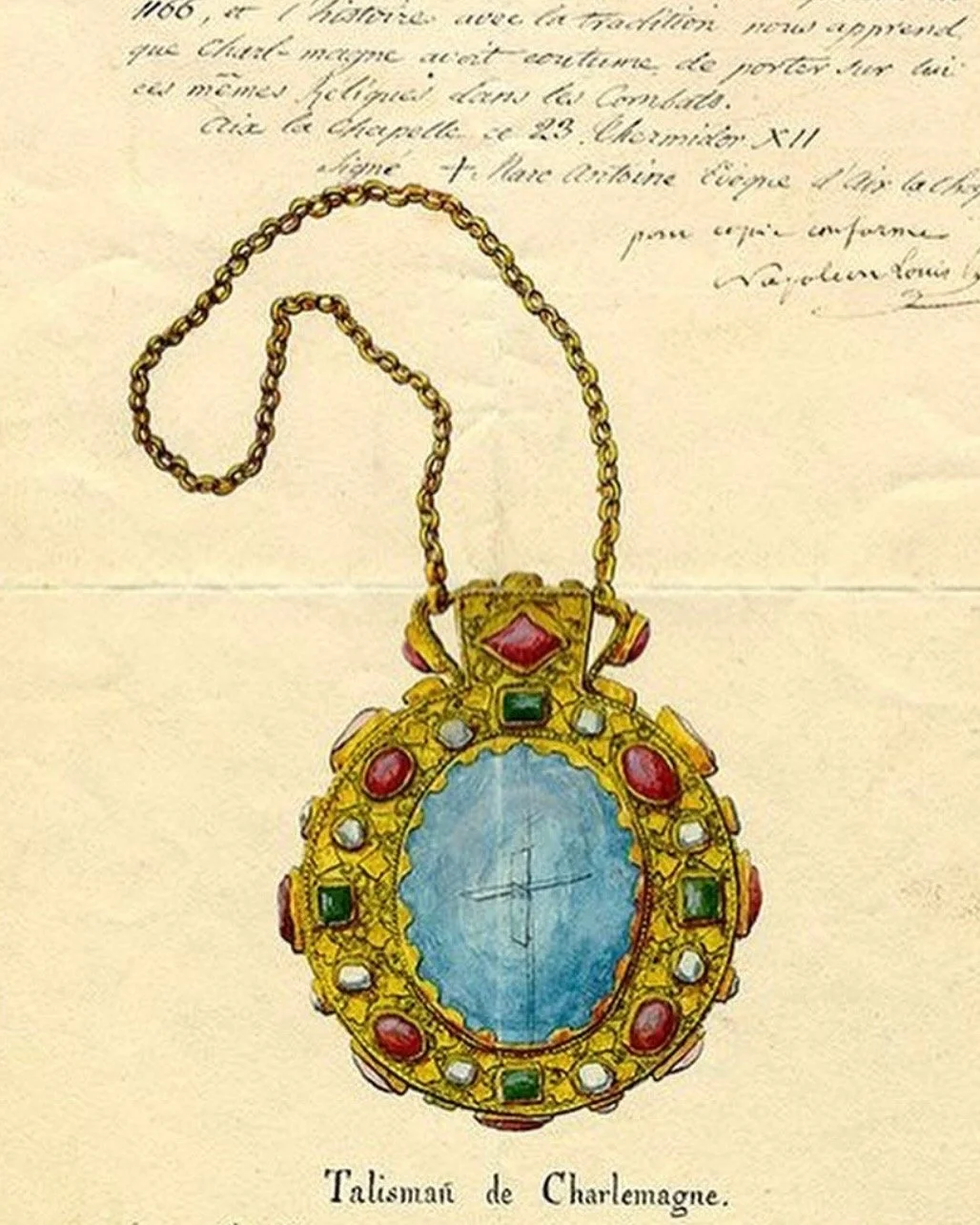
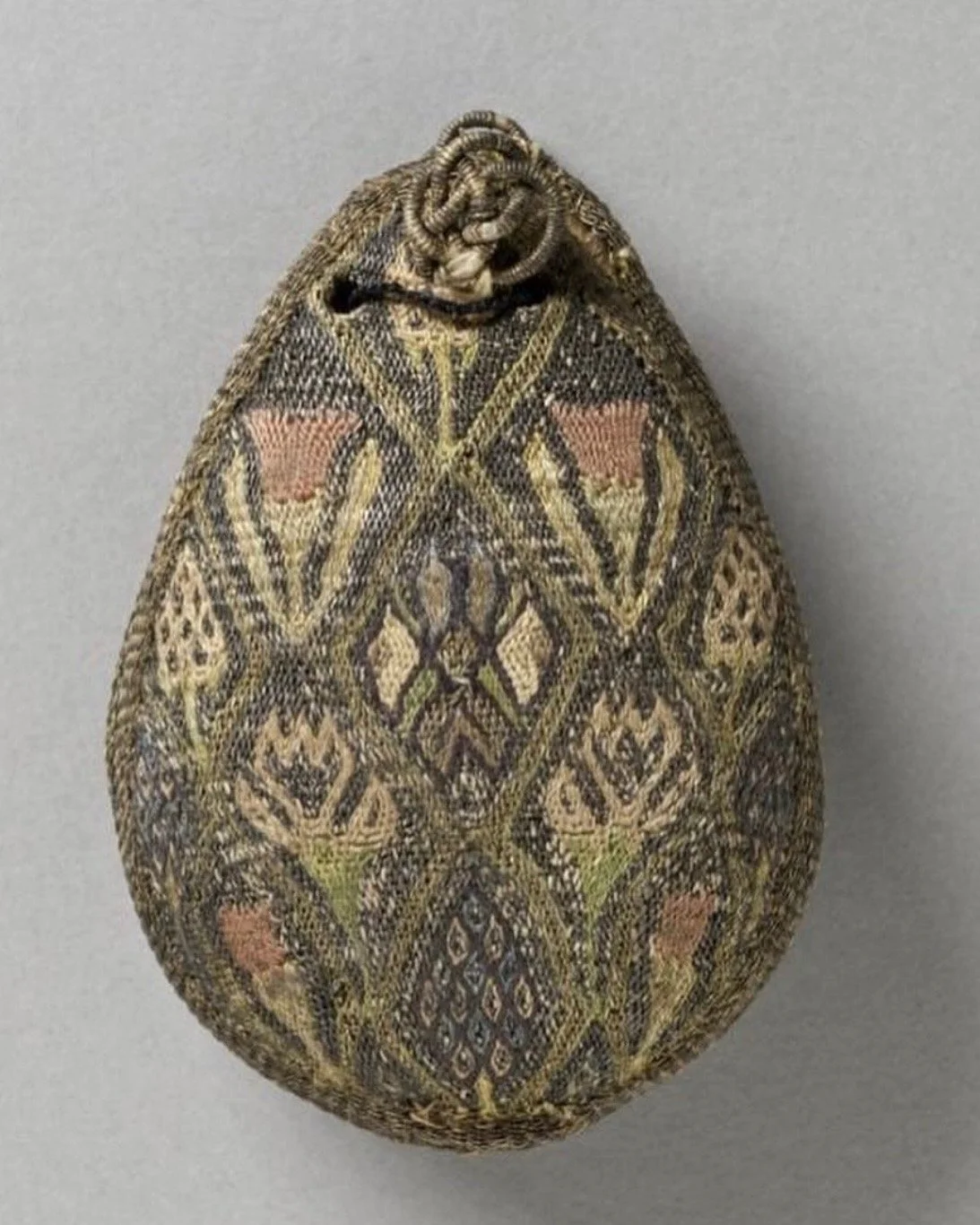
Across cultures, people have carried items believed to guard against illness or harm: pomanders filled with aromatic substances, amulets worn close to the body, small containers holding remedies or scents. These objects were rarely neutral. They were often carefully made, materially rich, and symbolically charged.
What distinguishes them from contemporary sanitiser is not function, but meaning.
From object to signal
During a recent study in semiotics, hand sanitiser was considered as a category rather than a product. What emerged was its ambiguity.
On one hand, it is purely instrumental—designed for efficiency, produced at scale, and stripped of any unnecessary detail. On the other, it operates within a set of cultural anxieties around contamination, safety, and control.
Its current design does little to acknowledge this second role.
A missed opportunity
There is potential to reposition sanitiser, not by changing its function, but by reconsidering its form.
If approached differently, it could move closer to the lineage of protective objects that preceded it. This would involve:
rethinking materiality
introducing a degree of permanence or wearability
allowing the object to exist beyond the moment of use
In doing so, the product shifts from something disposable to something held.
Ritual and repetition
Sanitiser is already embedded in routine. It is used frequently, often unconsciously, at points of transition, entering a building, sitting down to eat, moving between spaces.
These are, in effect, small rituals.
Design has the capacity to acknowledge and shape these behaviours. By giving form to repetition, it can introduce a sense of intention where there is currently only habit.
Reframing the category
To describe sanitiser as a talisman is not to romanticise it, but to recognise its position within a broader history of objects that mediate between uncertainty and reassurance.
The question is not whether it can be made more beautiful, but whether it can be made more meaningful.
This would require a shift in how the category is understood, from a disposable commodity to an object that carries both function and significance.
Beyond utility
The broader implication is familiar.
Design operates not only in solving problems, but in shaping how those solutions are experienced. Even the most ordinary objects carry the potential to signal values, behaviours, and beliefs.
Hand sanitiser is unlikely to lose its utilitarian role. But it may not need to remain defined by it.