Churches: The Third Space We Forgot to Name
For a time, I took the same road each day.
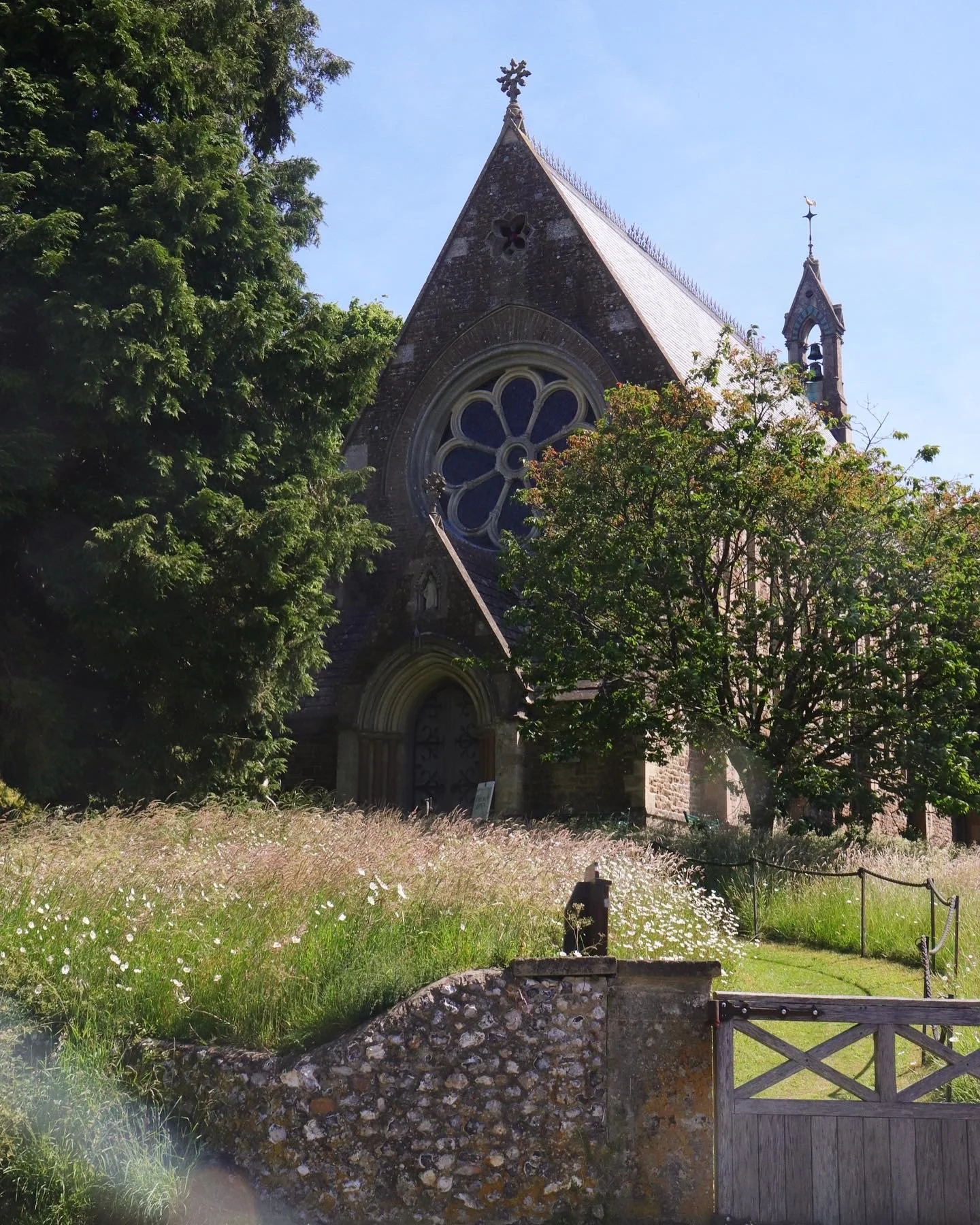
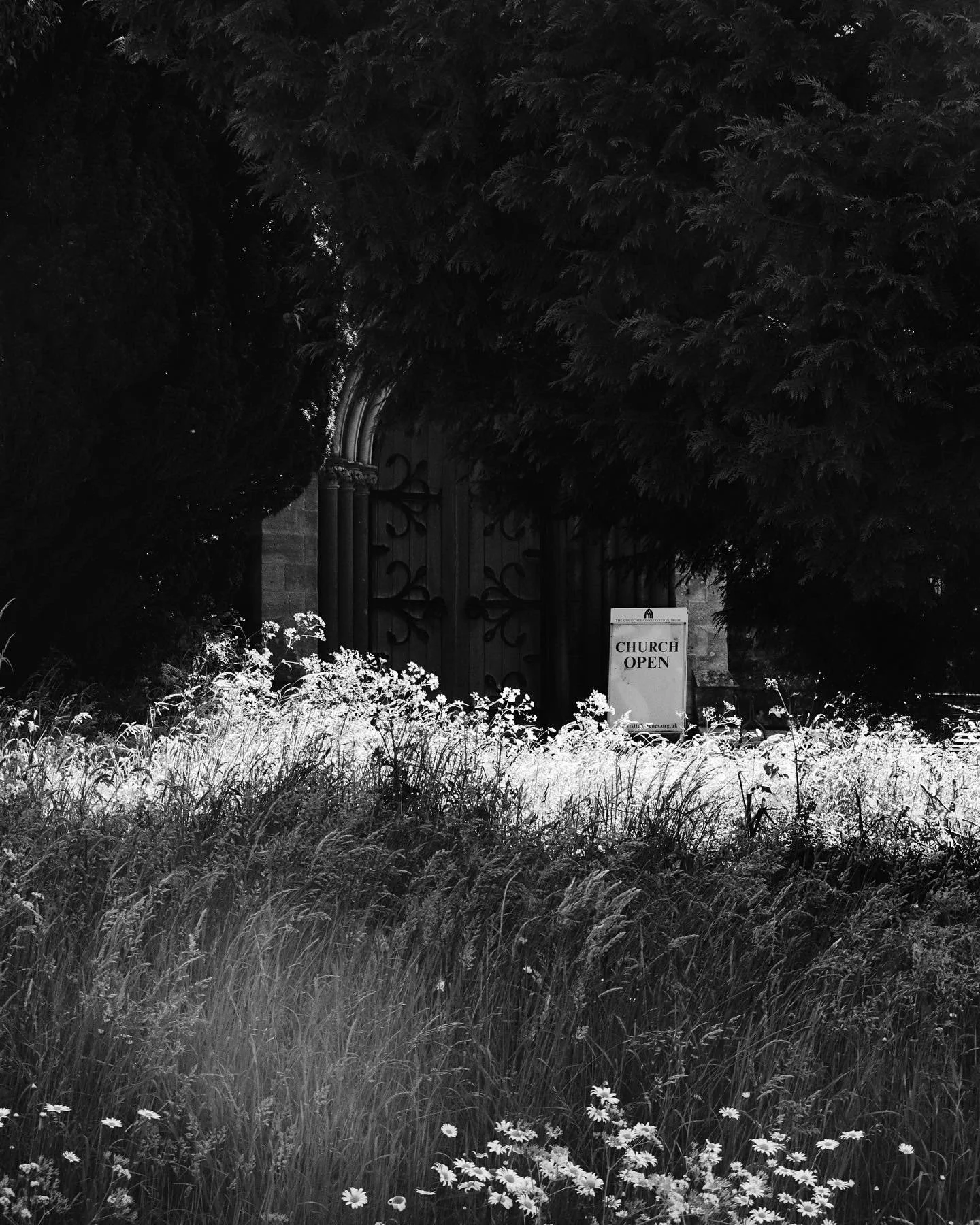
It was not a remarkable route: a quiet stretch through the countryside, edged with hedgerows and the occasional thatched cottage, on my way to a client. And yet, at the same point each morning, just beyond a cluster of low roofs and carefully kept gardens, there was a church I came to know in passing. Not by name, at first, but by presence.
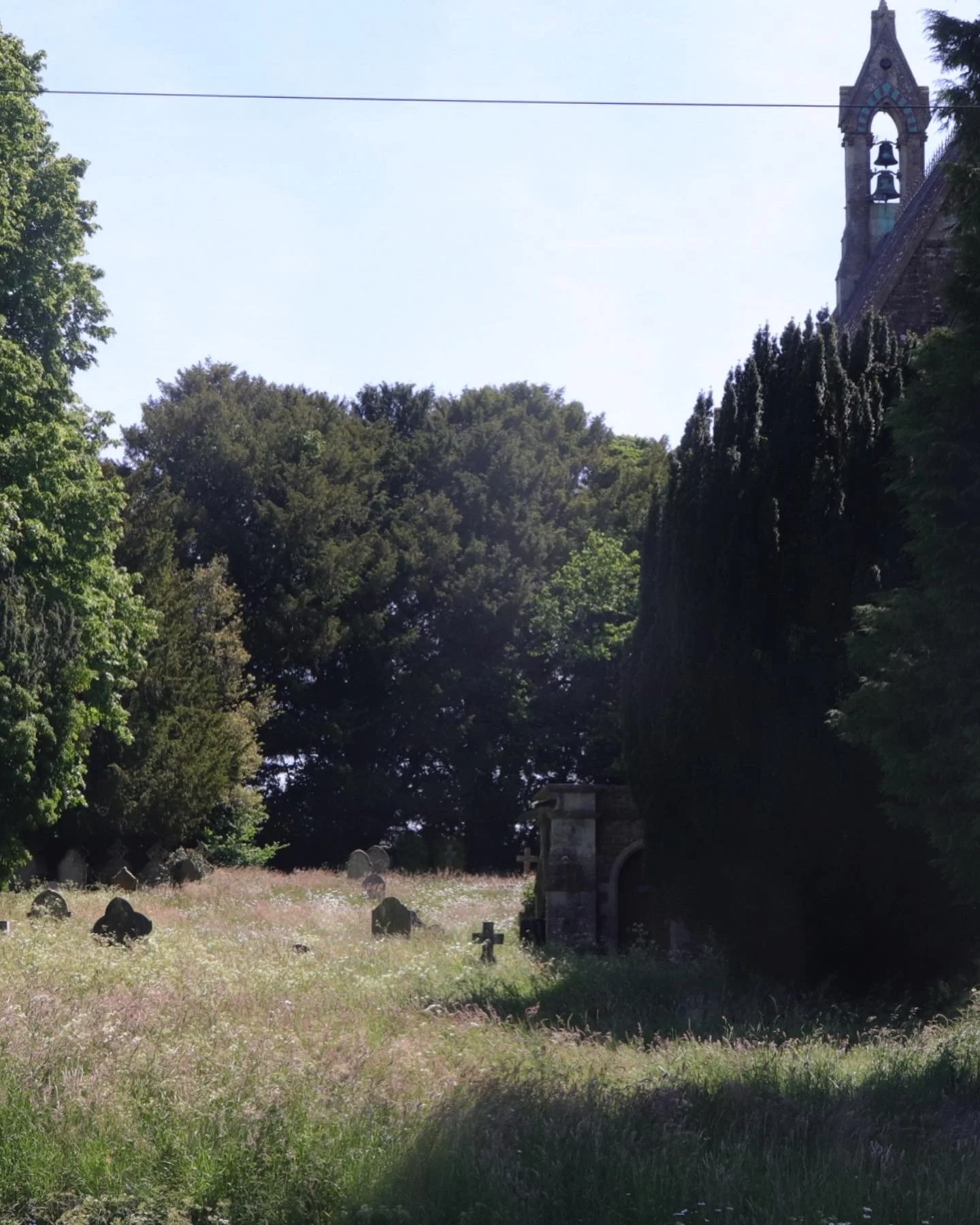
It sat slightly above the road, held back on a grassy verge that, in early summer, loosened into drifts of oxeye daisies. You didn’t see it all at once. It revealed itself gradually: cottages first, then a soft opening of land, and finally the church rising behind, composed but not imposing.
I began to slow as I approached. Then, occasionally, to stop.
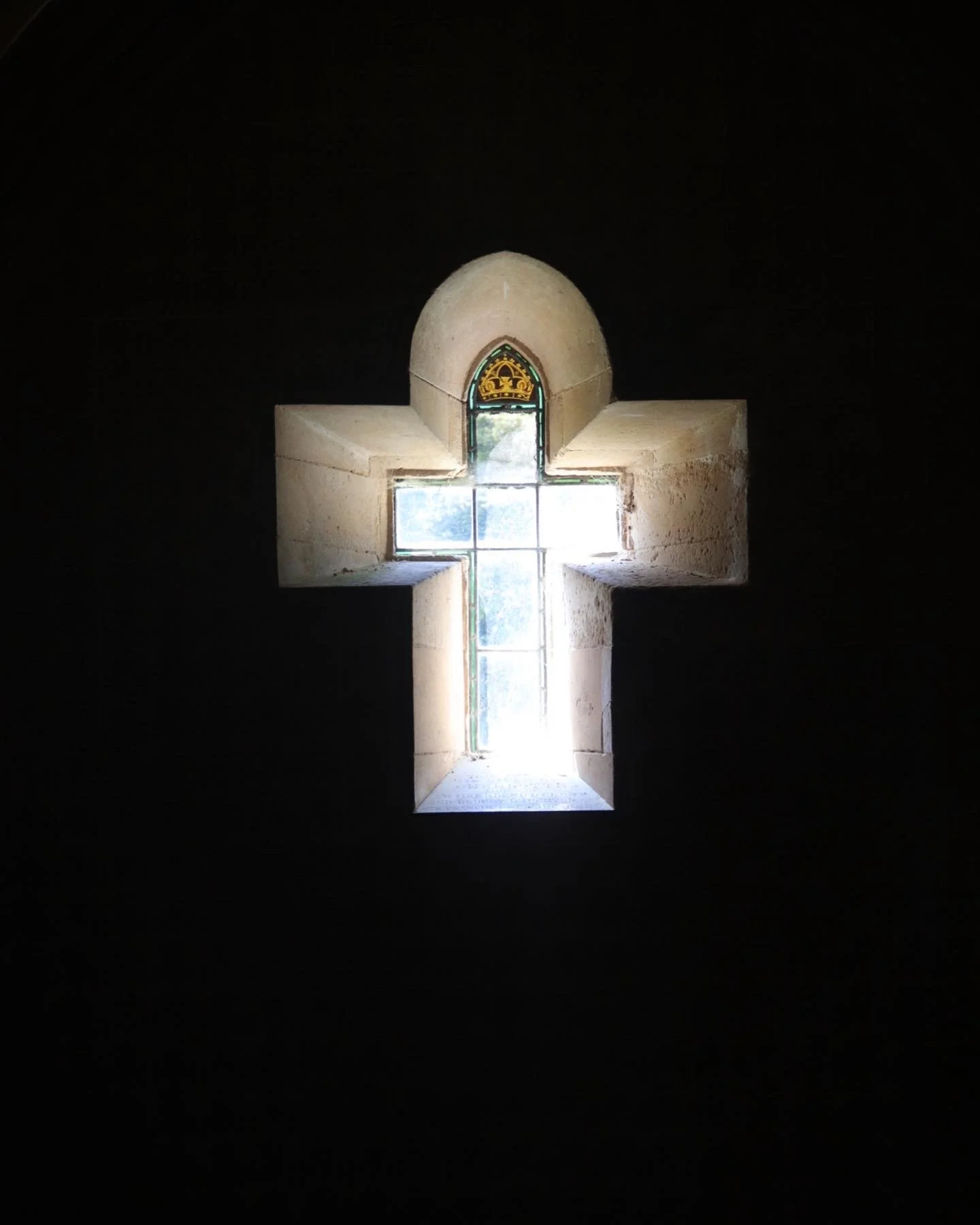
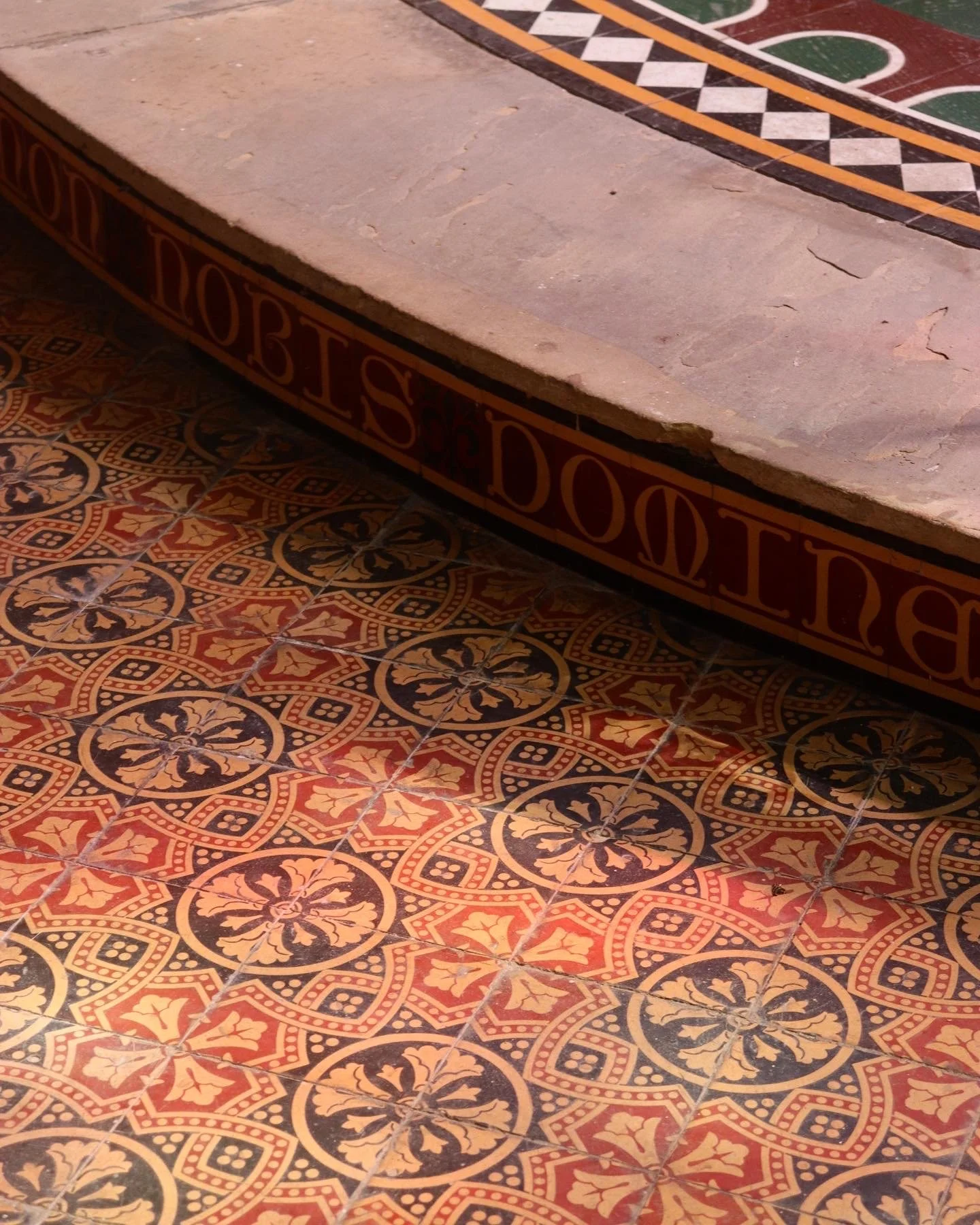
There is a particular quality to stepping into a church when no one else is there. The shift is immediate, but not dramatic. A change in temperature, the coolness of stone, but also something less tangible: a recalibration of pace, a softening of attention.
Inside, there is very little instruction. No one greets you. No one directs you where to stand or sit. There is no expectation of purchase, no implied outcome. You are simply there, held for a moment within a space that has been prepared, not for you specifically, but for anyone who arrives.
I never stayed long. A few minutes, usually. Long enough to sit, or stand, or simply look. And then I would leave, returning to the car, to the road, to the day as it resumed. It is only later that you realise something has shifted.
Not dramatically. Not in a way that can be easily articulated. But enough.
Village churches, in particular, hold something more than stillness. They hold accumulation, not just of time, but of people. And in doing so, they reveal something fundamental about how communities organise themselves, and how they remember.
The evidence is everywhere, if you look for it.
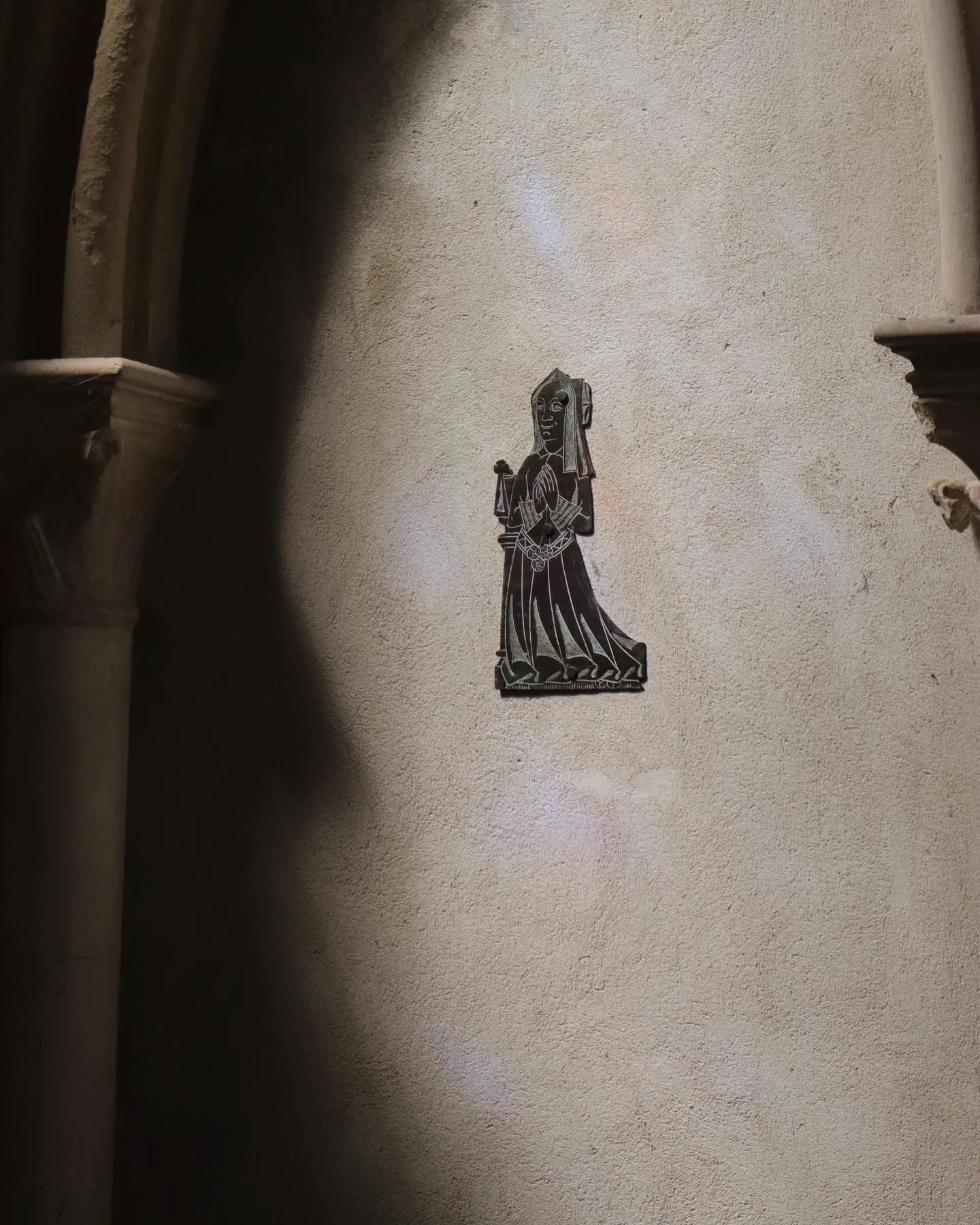
Not only in the headstones outside, rows of names worn soft by weather, marking lives that were once entirely present, but inside, in quieter and more informal forms of record.
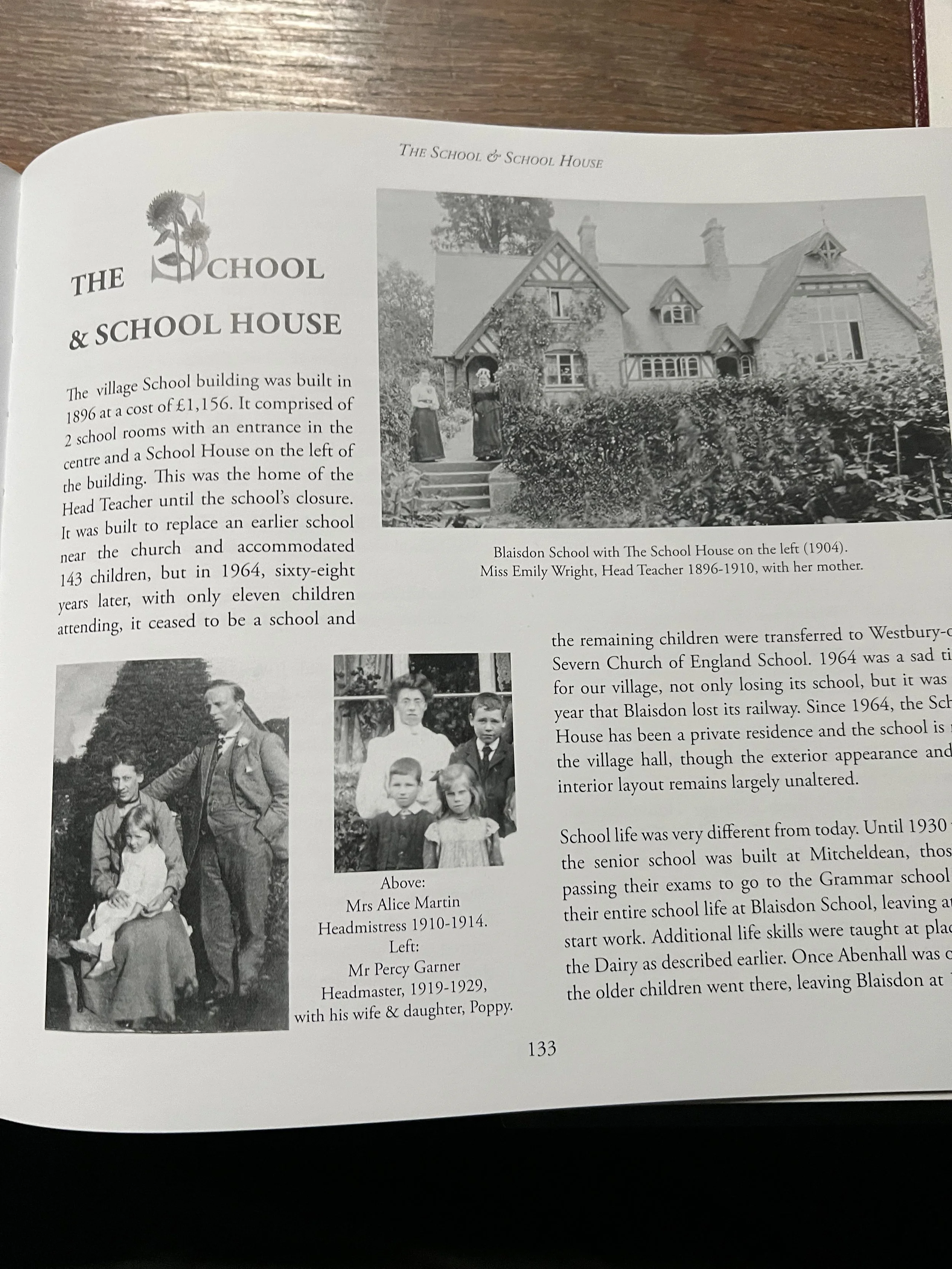
A laminated sheet listing past vicars, stretching back further than expected. A noticeboard with curling corners, announcing events long since passed. And, often, placed almost incidentally on a side table or windowsill, a self-published book.
These books are rarely designed in any conventional sense. Spiral-bound, stapled, sometimes printed slightly askew. The covers might feature a photograph of the church, or a collage of images gathered over time. The titles are earnest, occasionally unwieldy: A History of Our Village and Its People. Memories of Life in…
They are easy to overlook. But they are, without exception, rich.
Compiled by those who live there, or who did, they gather fragments that would otherwise be lost: recollections of school days, harvests, shops that no longer exist. Photographs of fêtes, weddings, groups assembled slightly awkwardly for the camera. Anecdotes that move between the specific and the universal.
There is little editorial mediation. No attempt to refine or position. The voice is direct, sometimes uneven, occasionally repetitive. And because of this, it remains intact.
Anthropologically, this is significant.
These books are not simply records; they are acts of communal authorship. They demonstrate a shared instinct to document, to locate individual lives within a broader narrative of place. Not for an external audience, but for internal continuity.
I have spent hours with them, often unexpectedly. Picking one up idly, then finding it difficult to put down. Not because each individual story is remarkable, but because together they form something more substantial: a lived archive.
This, too, is part of the church. Not as institution, but as container.
A place where memory is held, not centrally or systematically, but collectively. Where history is not only archived, but made available. Left out, without ceremony, for anyone who happens to wander in and take an interest.
It is a form of cultural infrastructure that operates quietly, but with remarkable persistence. And it reinforces something that becomes clearer the more time one spends in these spaces. That churches are not only places of worship, but places of continuity — stabilising structures within the social fabric of a community.
They sit slightly apart from the pace of daily life and, in doing so, are able to hold it differently. They absorb what happens around them — births, deaths, celebrations, small routines — and over time become inseparable from it.
In contemporary life, there are few equivalents.
The café, often cited as a modern “third space”, comes with its own expectations: to buy, to sit, to participate in a certain kind of social visibility. Even the most relaxed environments carry a subtle pressure to occupy them correctly.
Churches, by contrast, remain remarkably undemanding.
They do not require explanation.
They do not insist on engagement.
They do not measure time.
You may enter and leave without being noticed. You may sit without speaking. You may return repeatedly, or not at all.
And, if you choose, you may read. You may pick up a book compiled by strangers and find yourself momentarily folded into the life of a place you do not belong to, but are briefly allowed to understand.
This lack of demand is precisely what gives them their value. It allows for a form of attention that is increasingly rare: not directed, not monetised, not immediately useful. But socially meaningful nonetheless. Because what is being offered is not simply quiet, but context.
A sense that lives accumulate. That places remember. That individuals, however briefly, are part of something ongoing.
There is, perhaps, something to be learned here.
Not only in how we design spaces, but in how we think about participation, authorship, and belonging.
What would it mean to create environments that hold memory in this way?
To allow for contributions that are imperfect, but real?
To make space for stories that are not optimised, but simply told?
Churches have been doing this, consistently, for centuries.
And so, on that road, on those mornings, I found myself returning — not out of habit exactly, but out of recognition.
That, for a few minutes at least, there was somewhere to step into that asked very little, and yet offered access to something much larger. A place not only to pause, but to encounter the layered, ongoing story of other lives — held gently, and offered without expectation.