Kent Coast
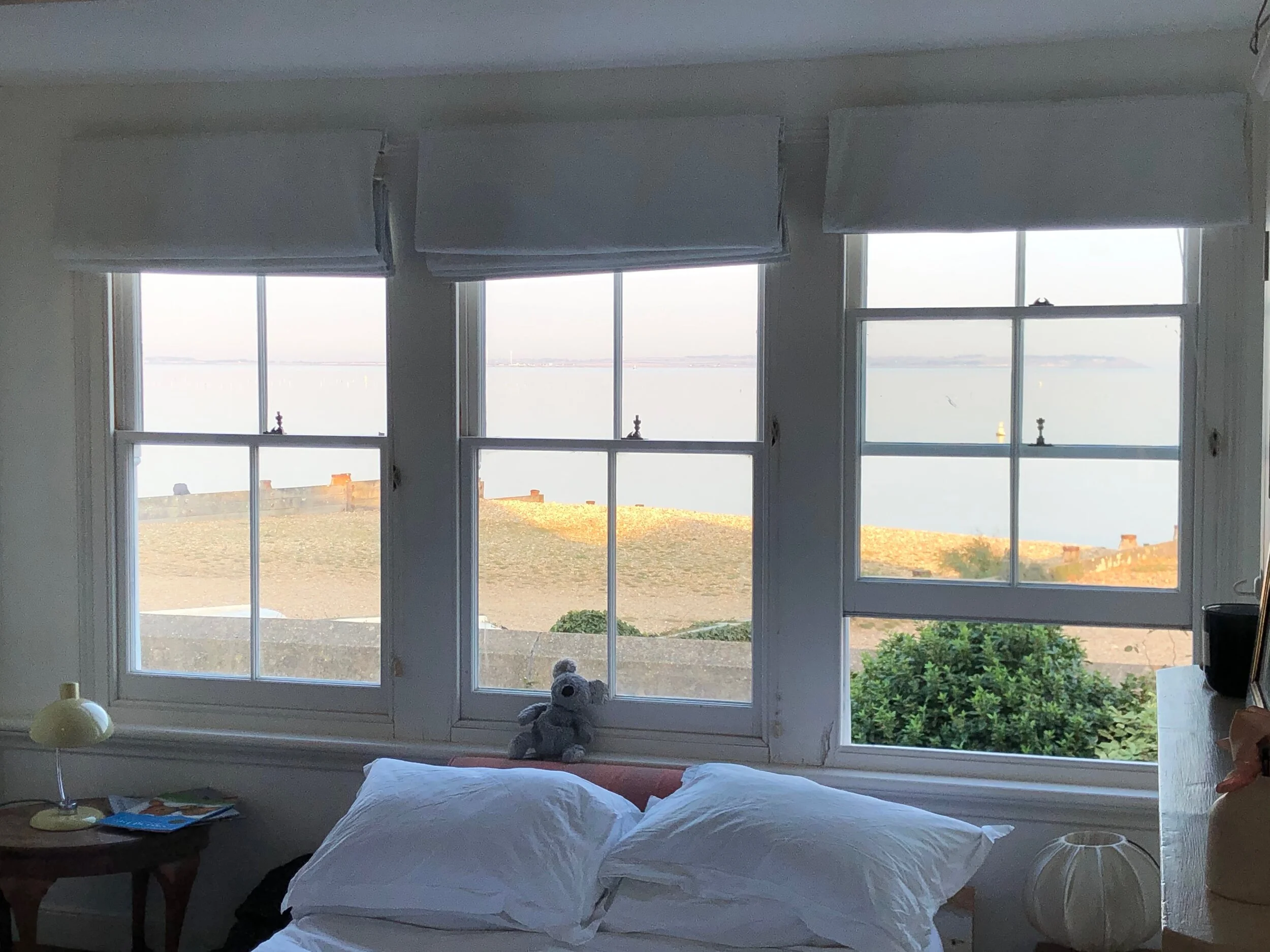
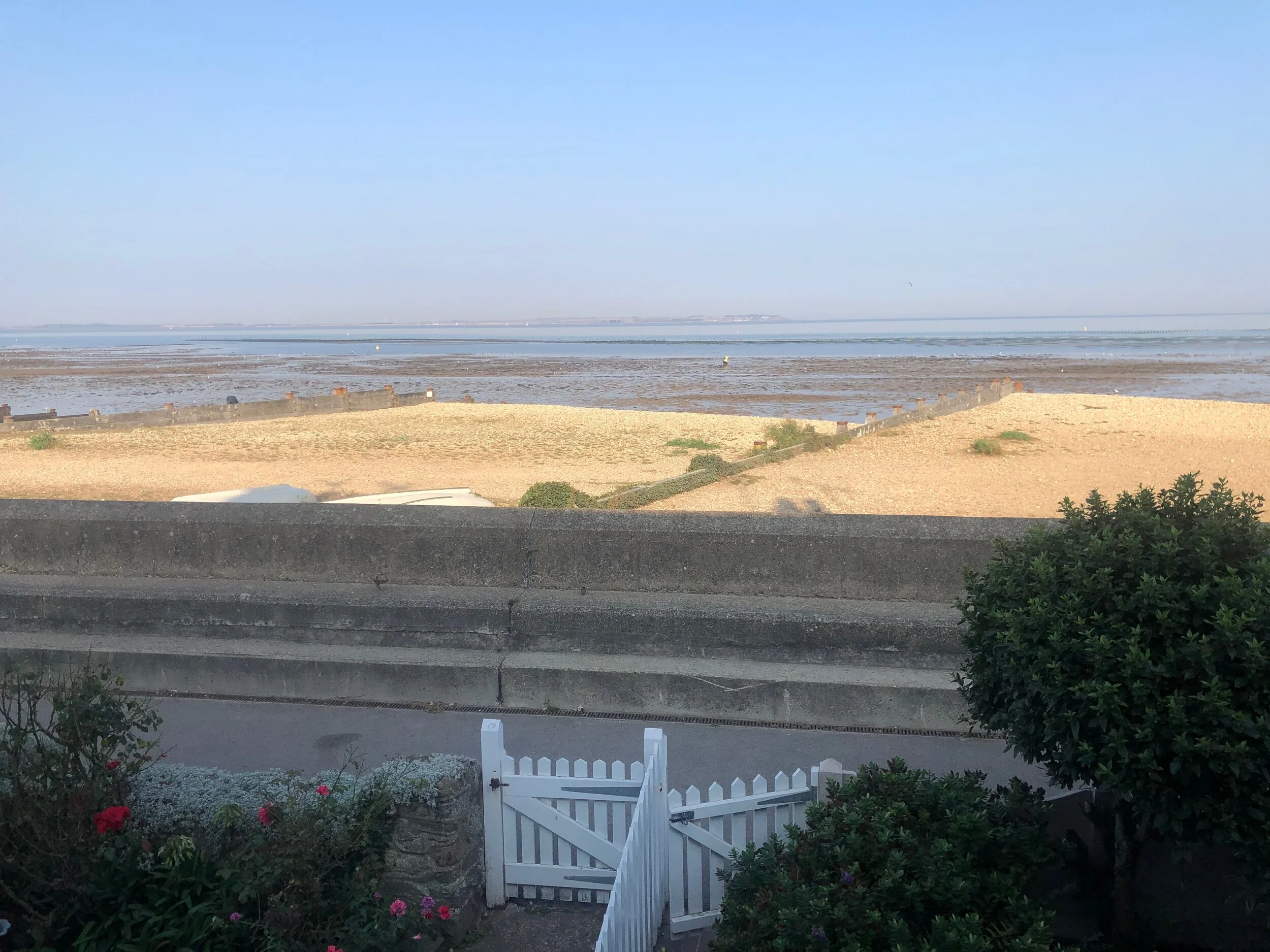
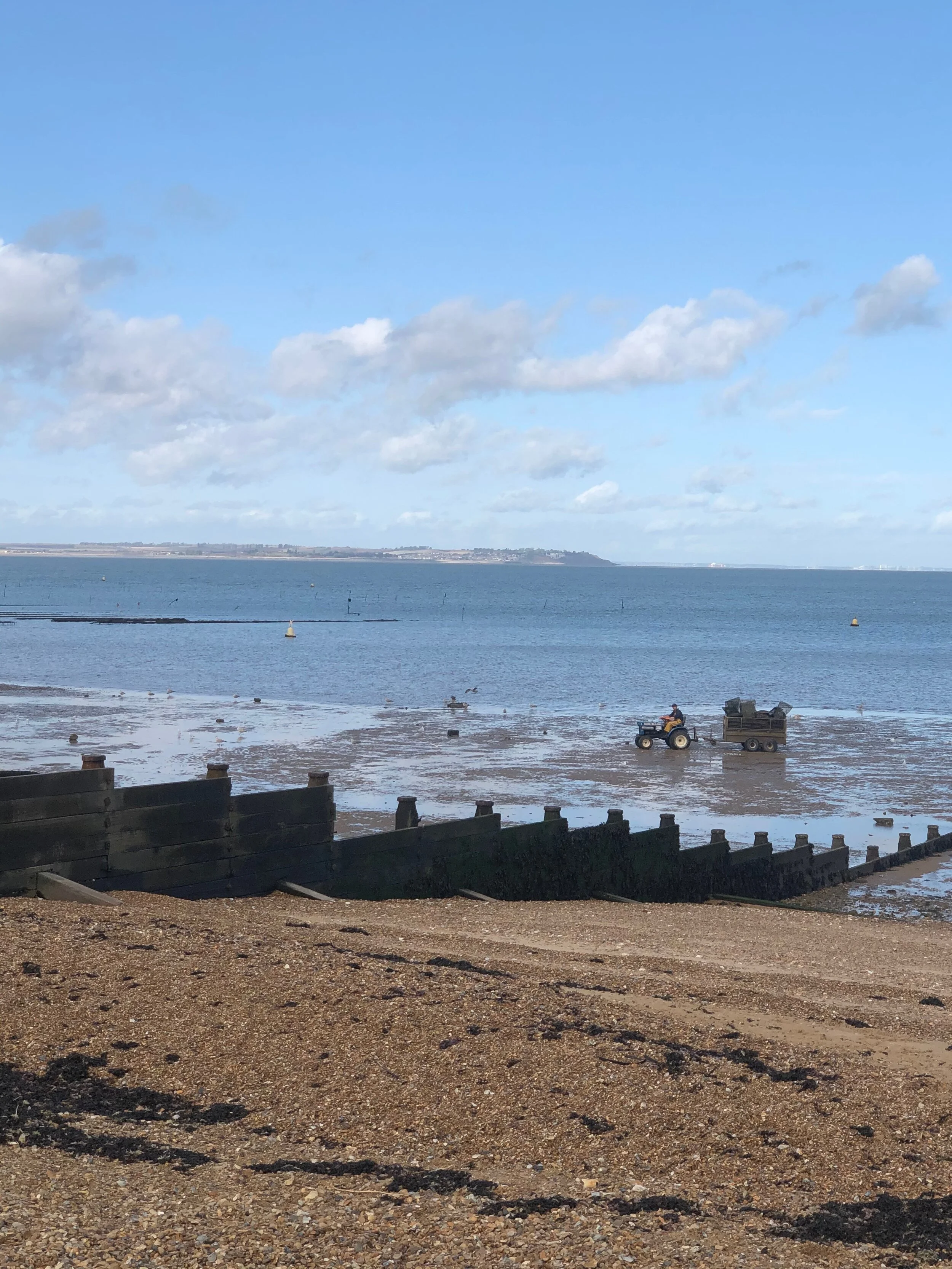
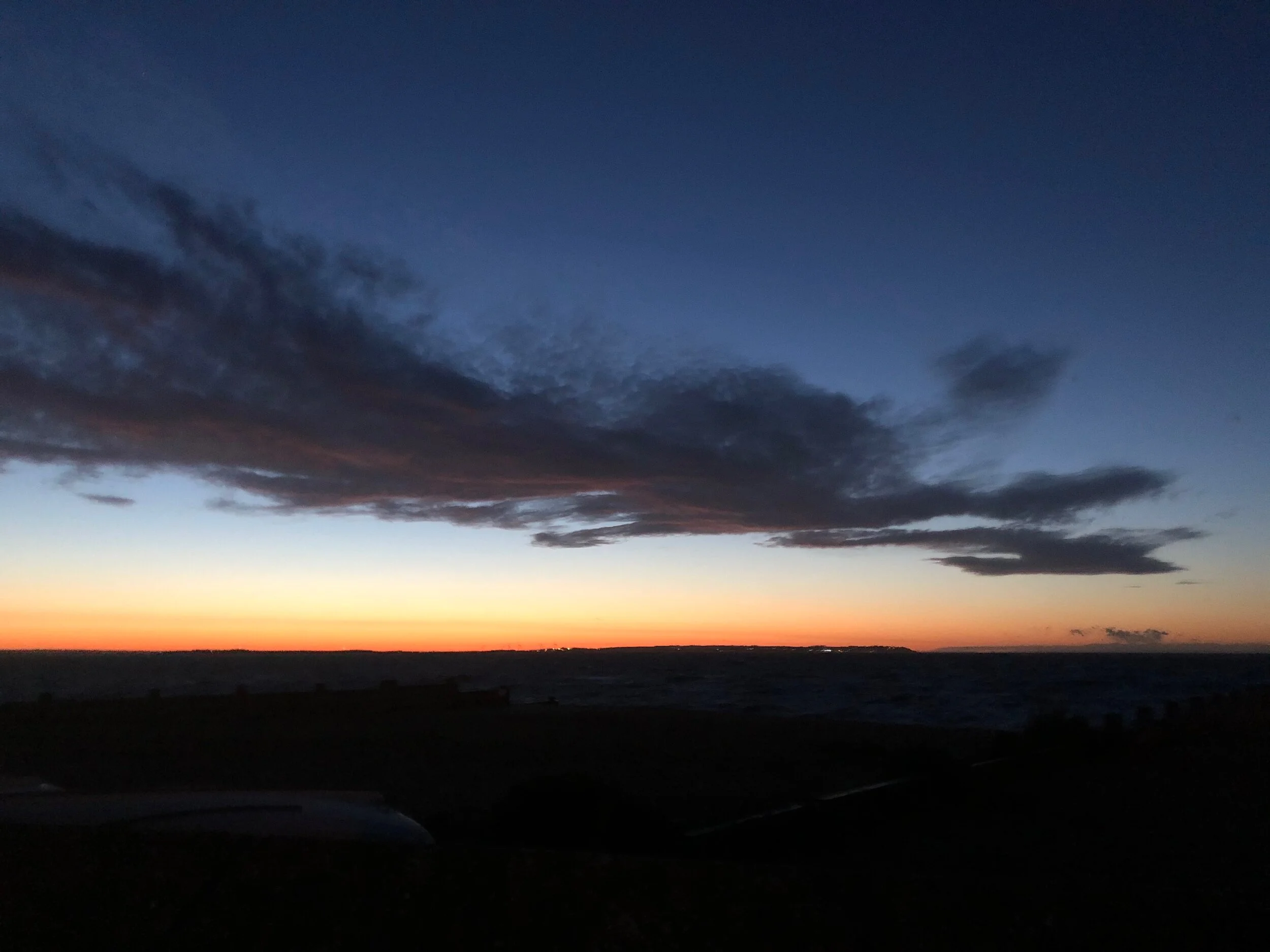
Plans to travel along the Kent coast in early 2020 were, like many others, interrupted. When the opportunity to return came later in the year, the itinerary was reduced, fewer locations, more time in each. Whitstable became the base, with a single journey further along the coast to Dungeness.
Whitstable: surface and detail
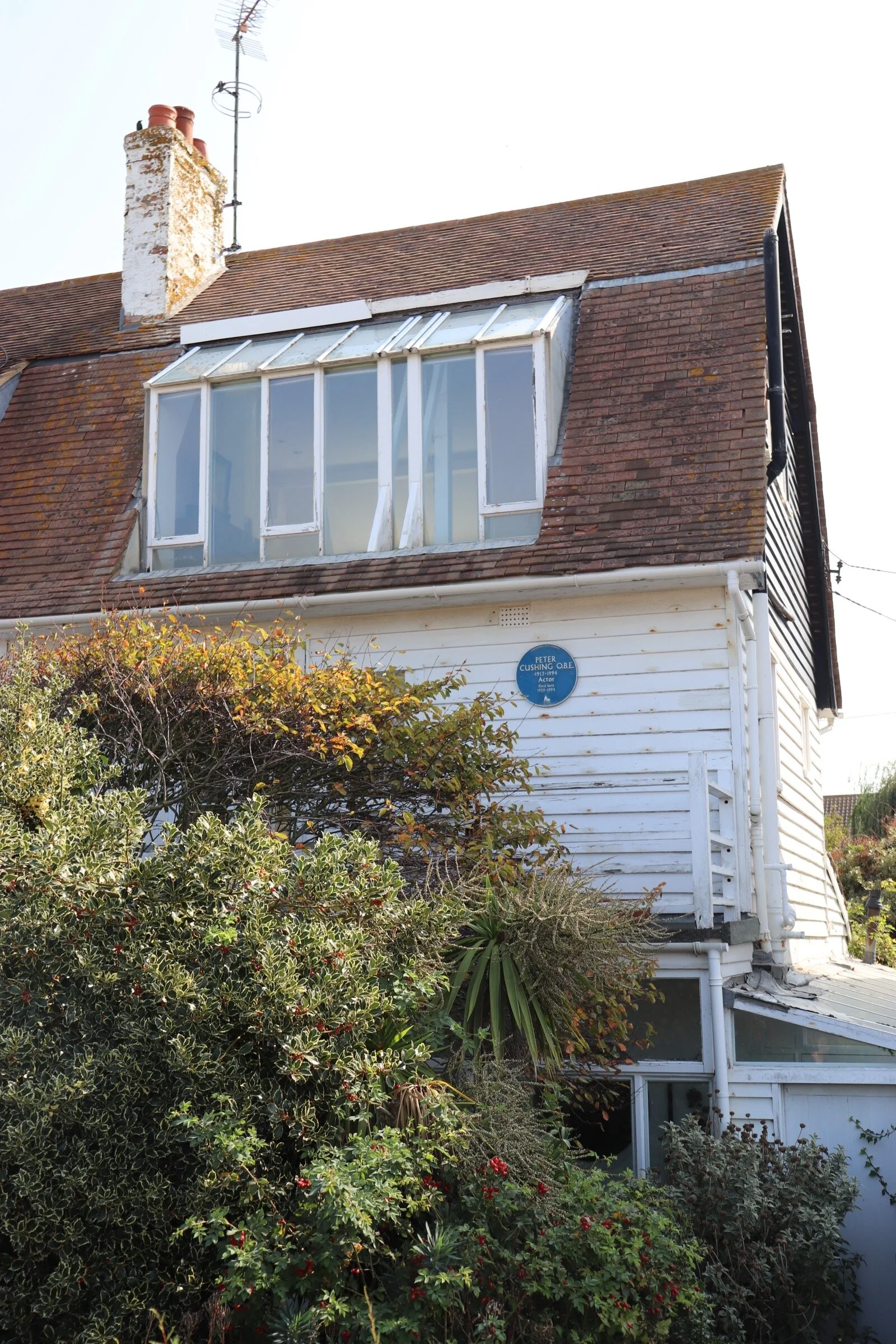
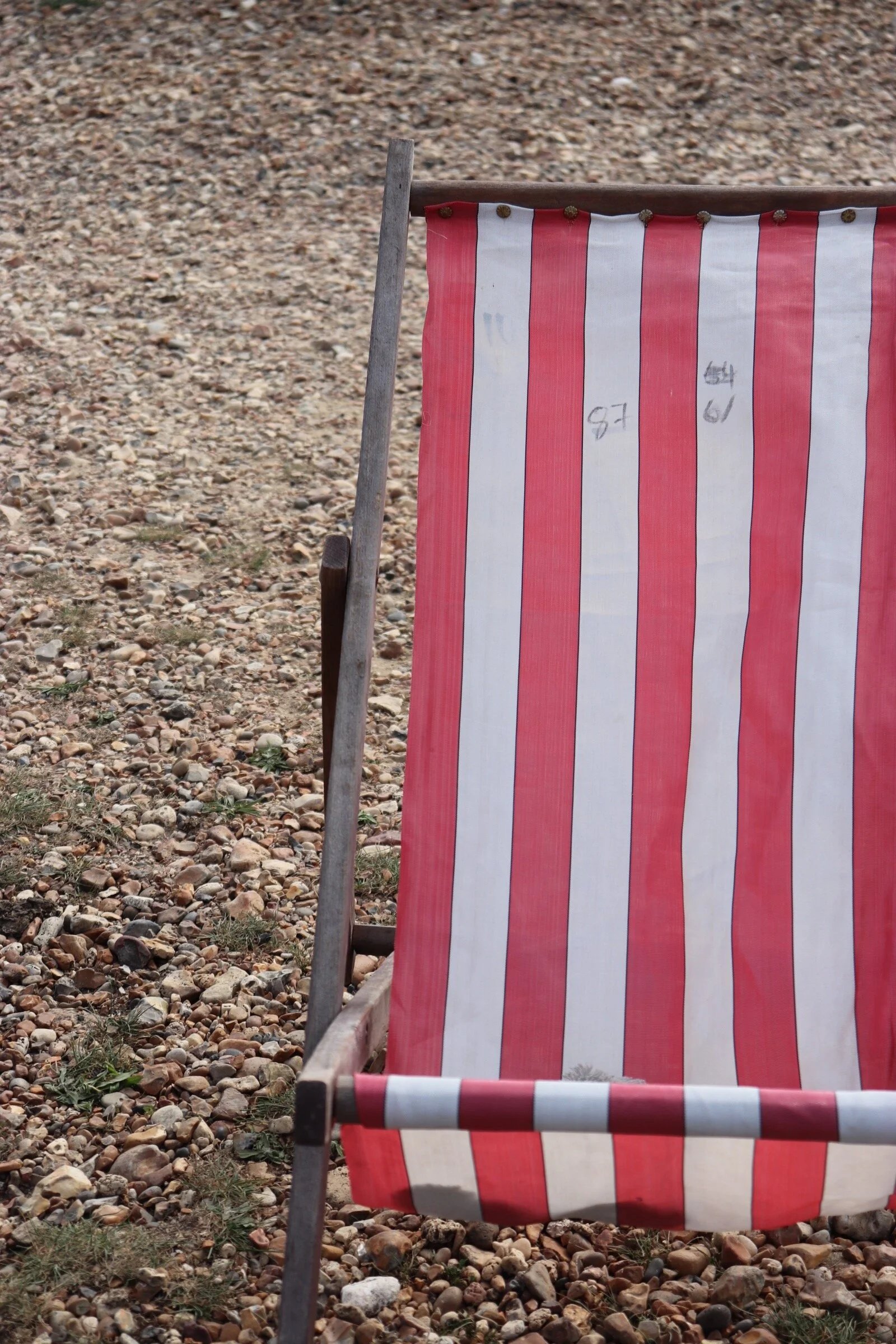
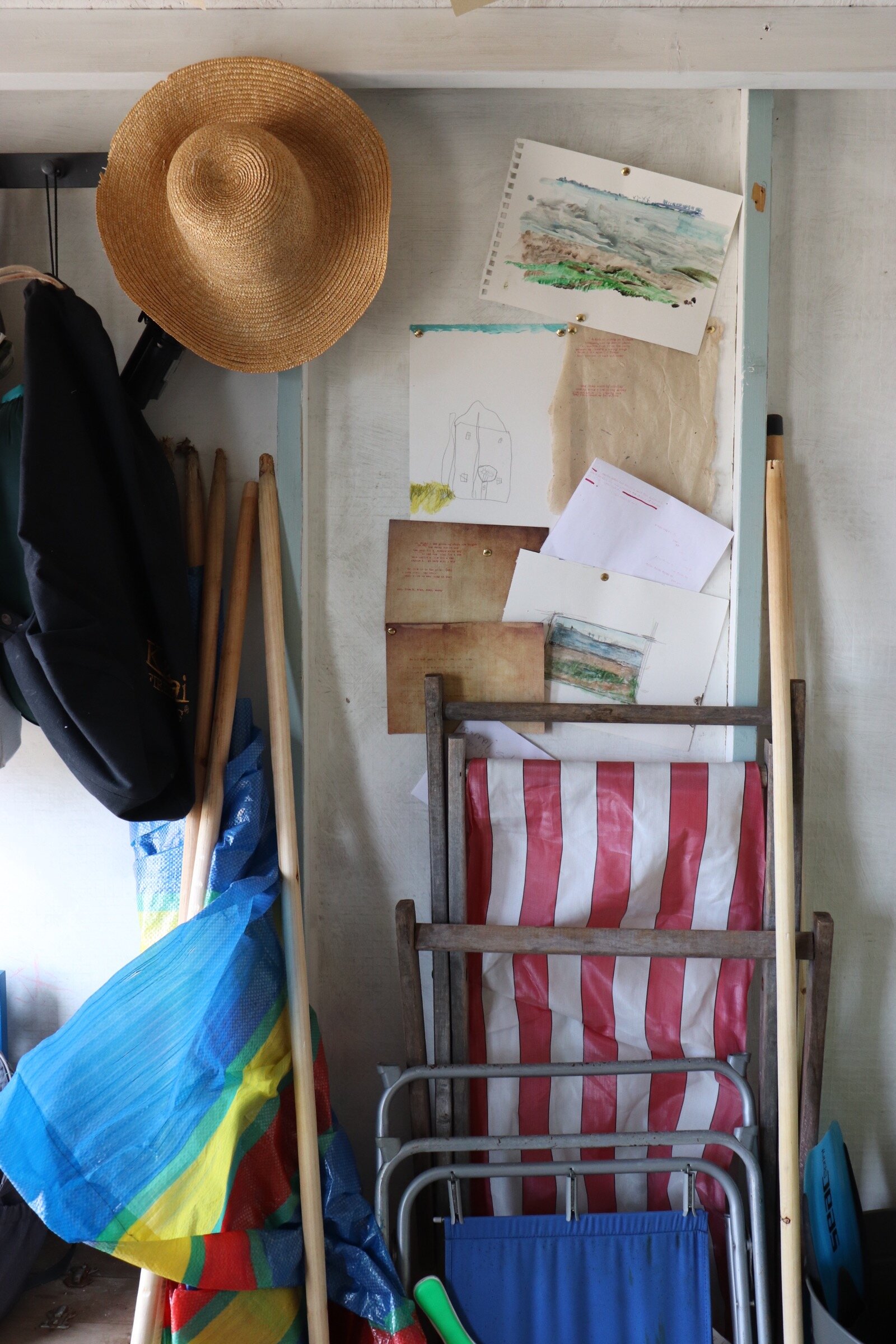
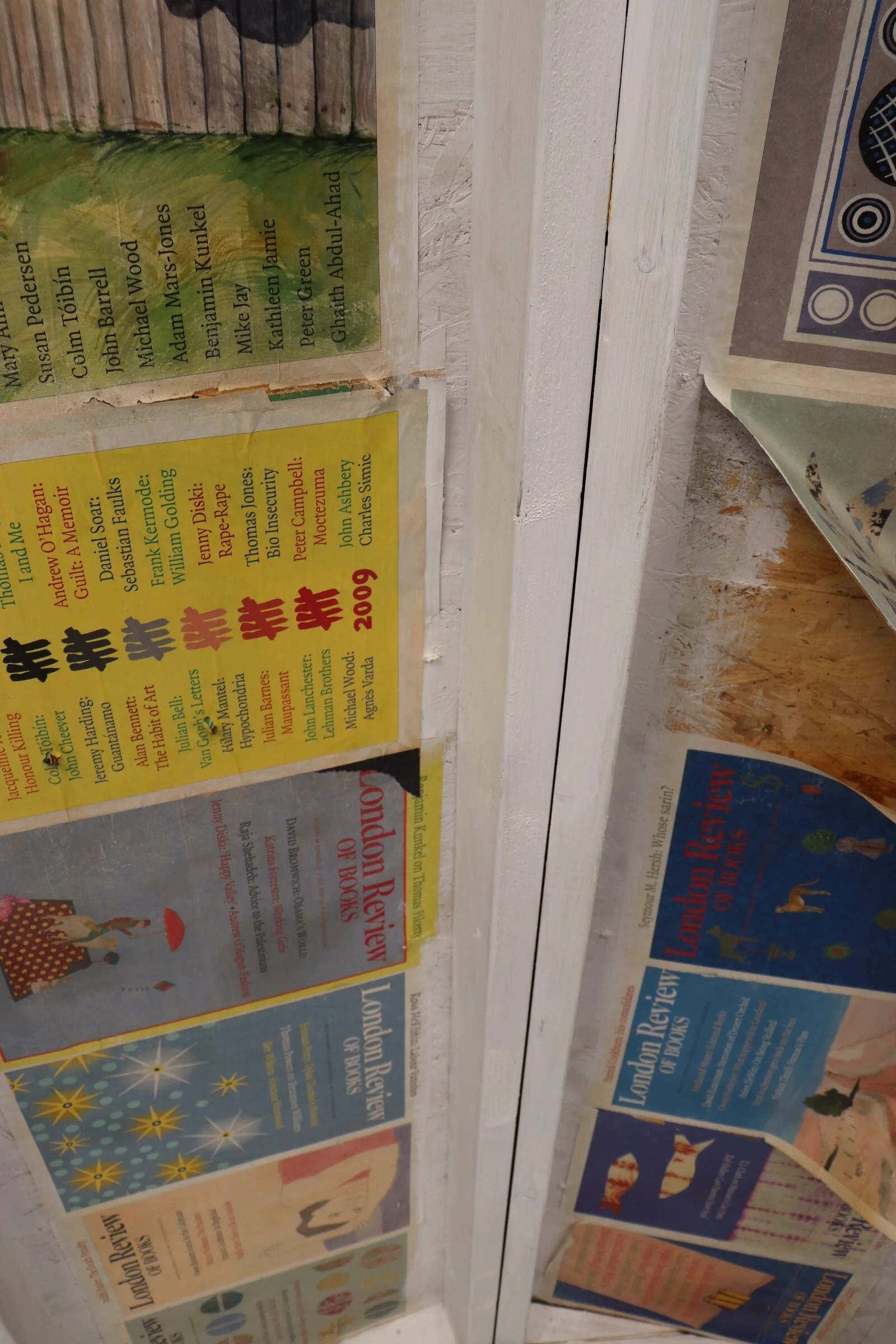
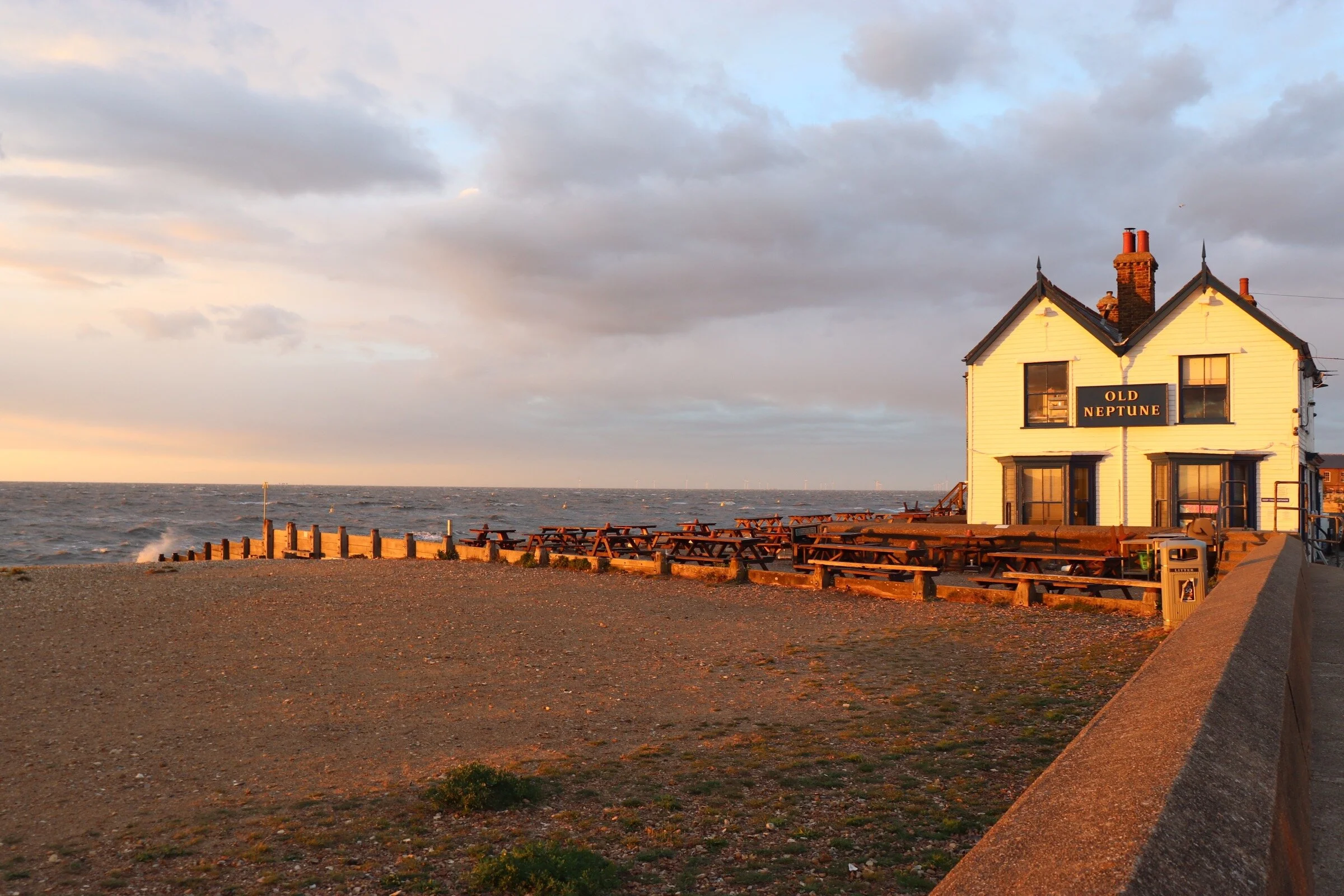
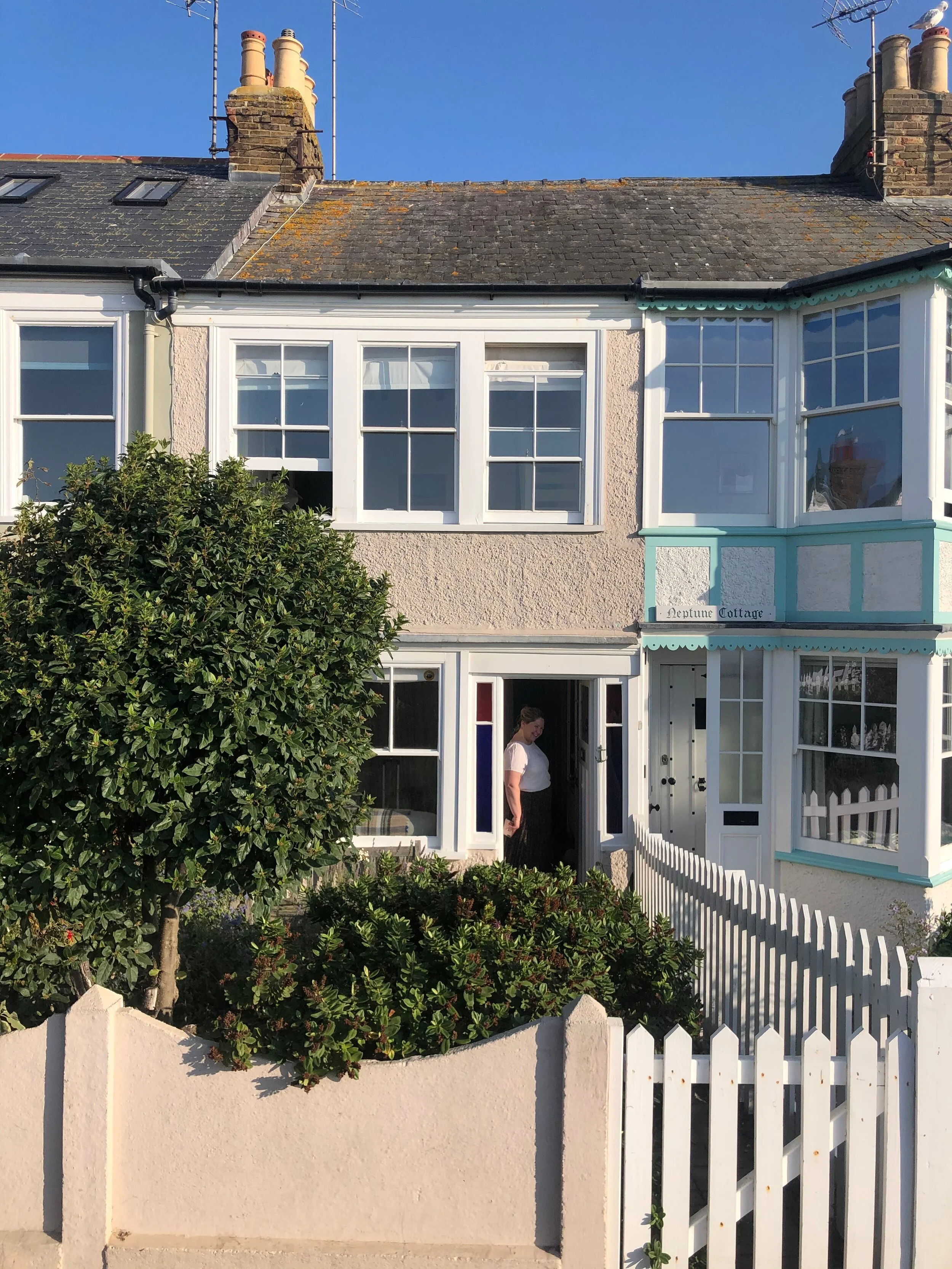
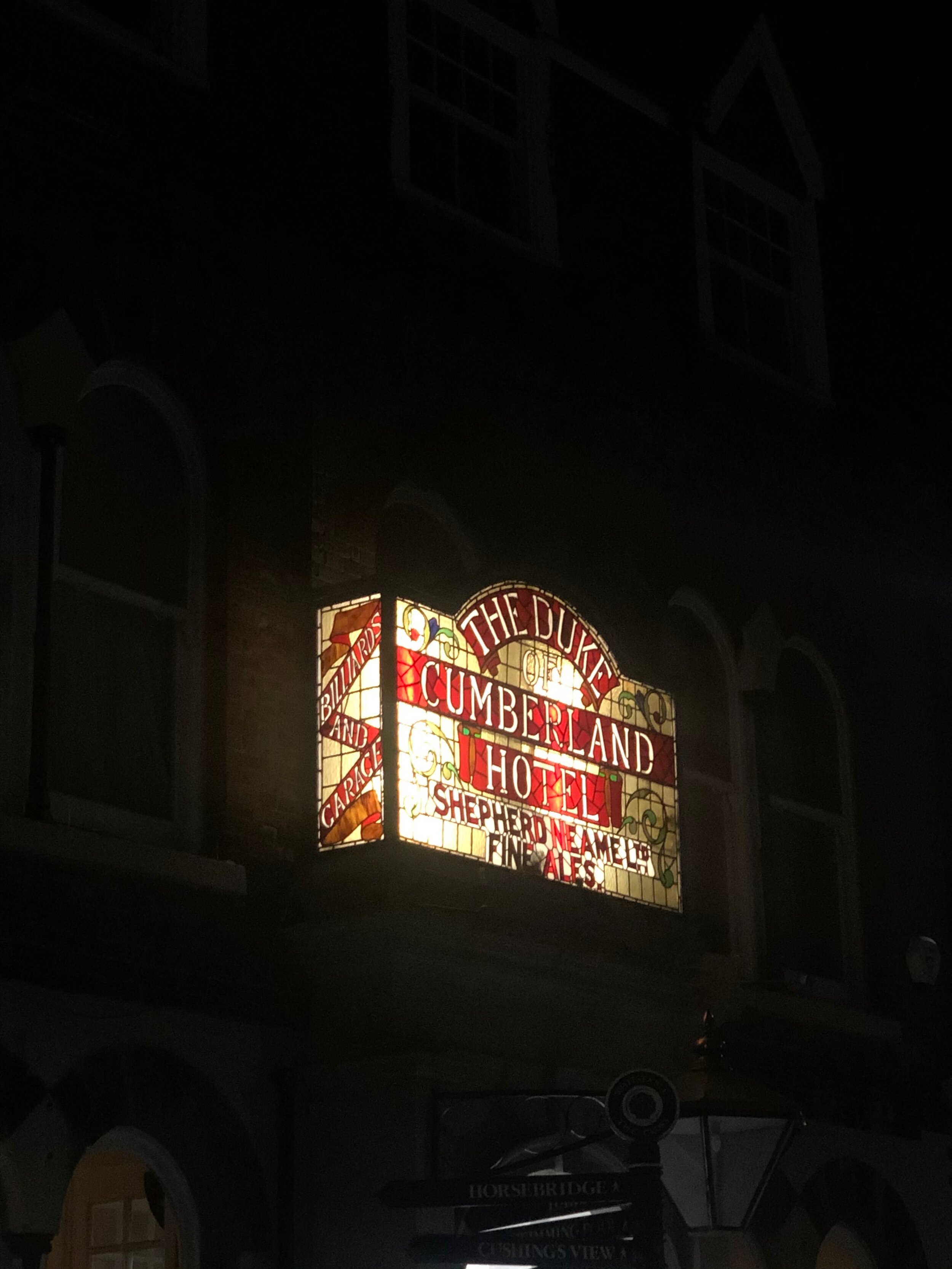
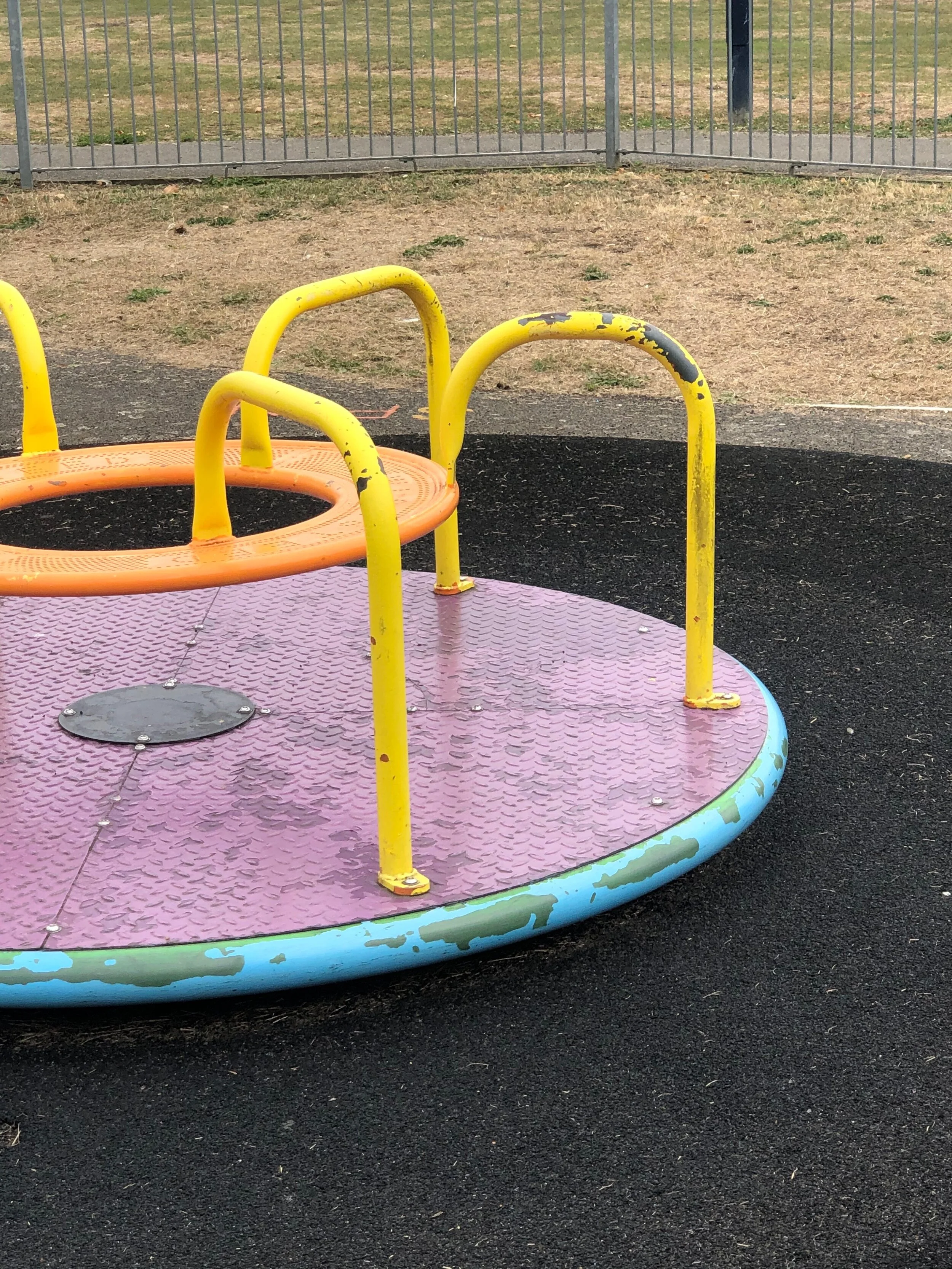
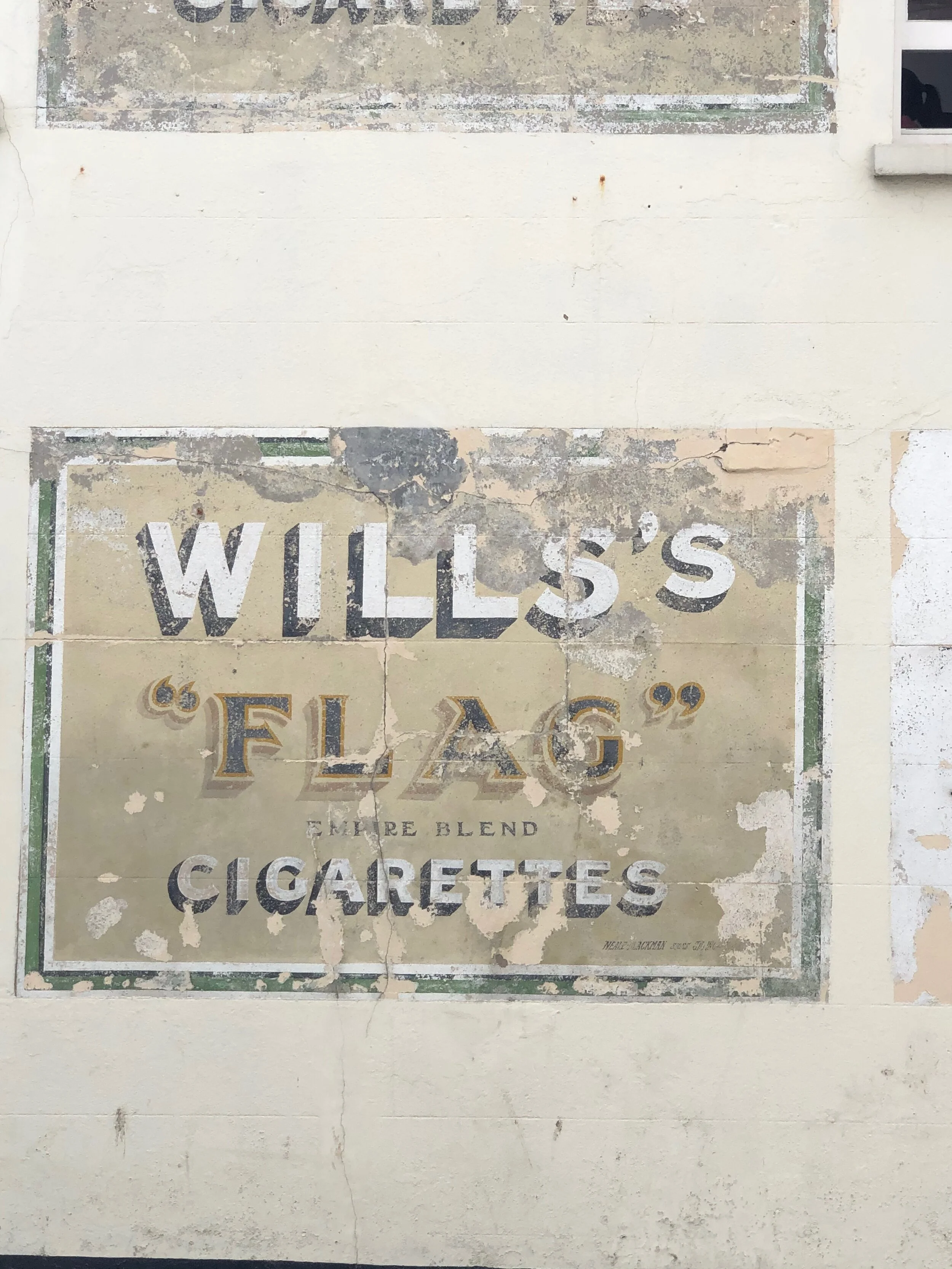
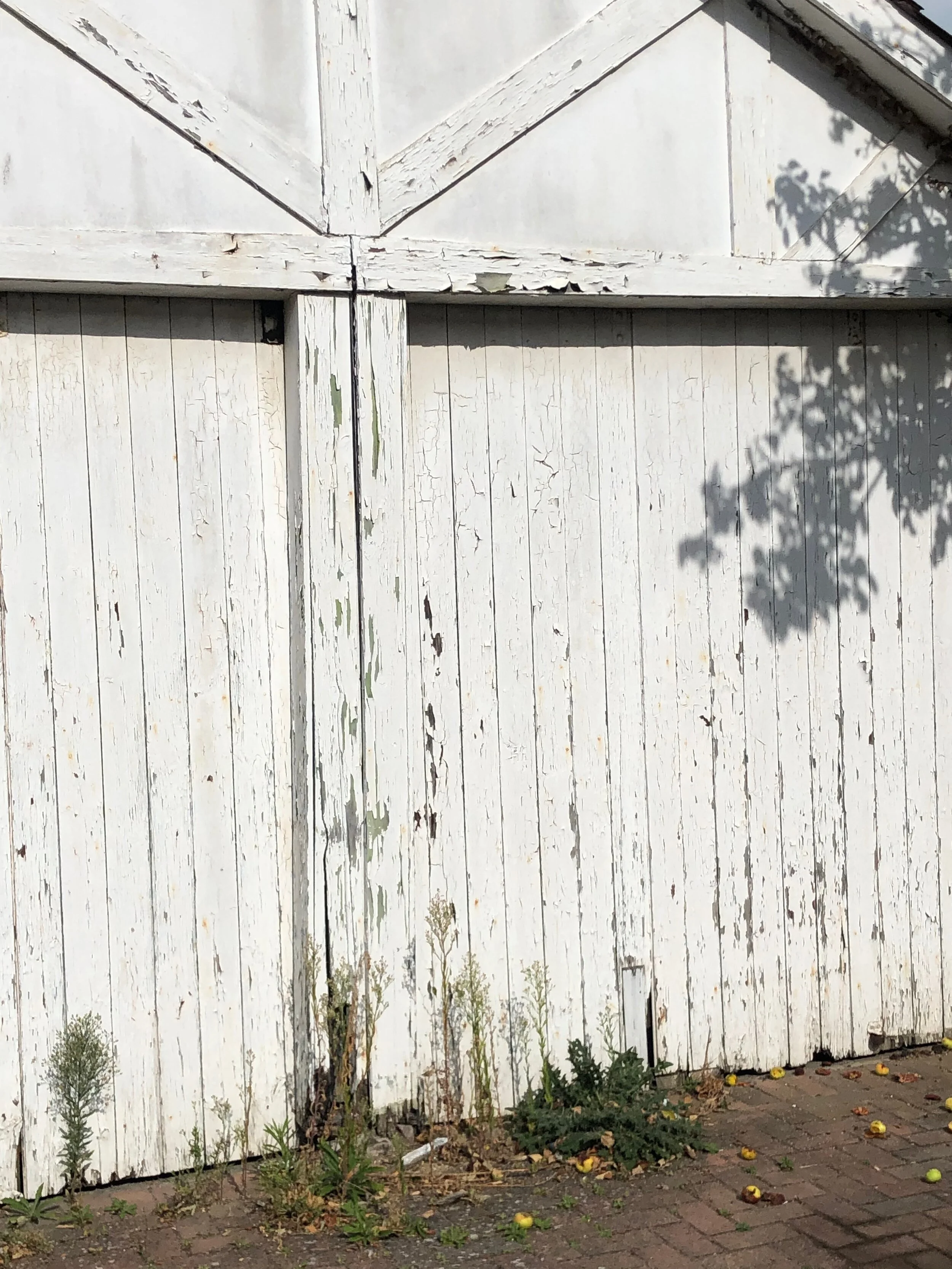
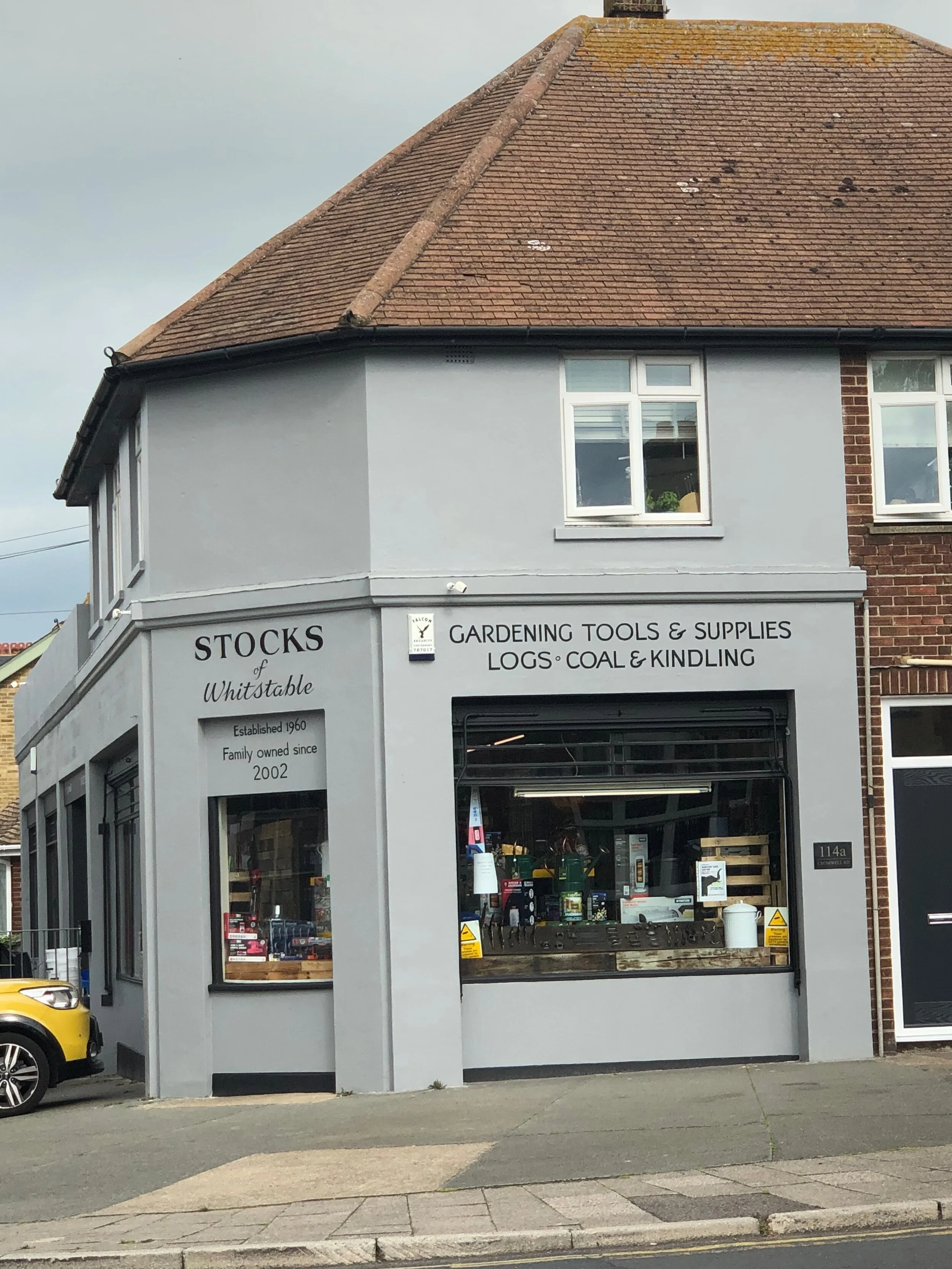
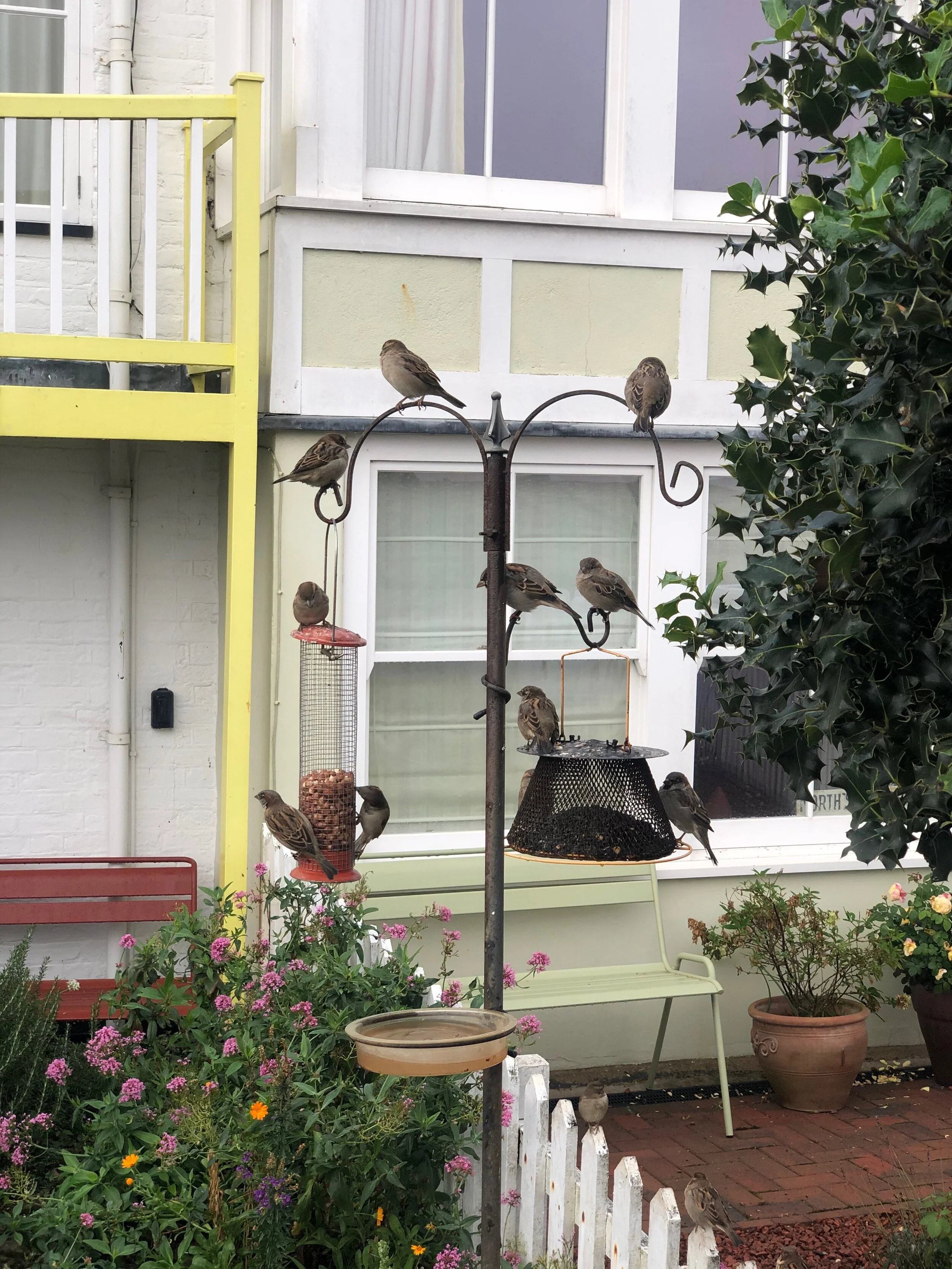
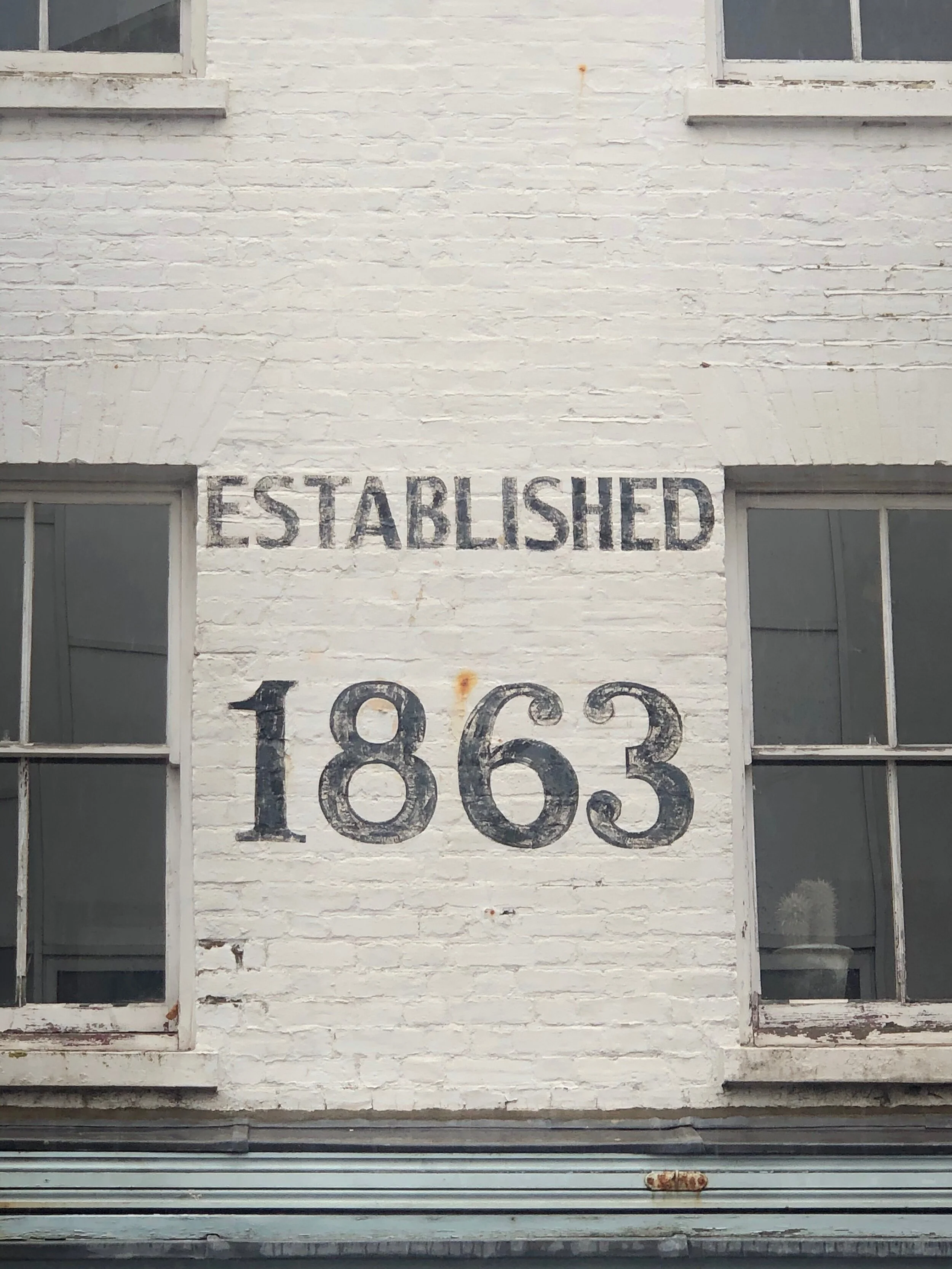
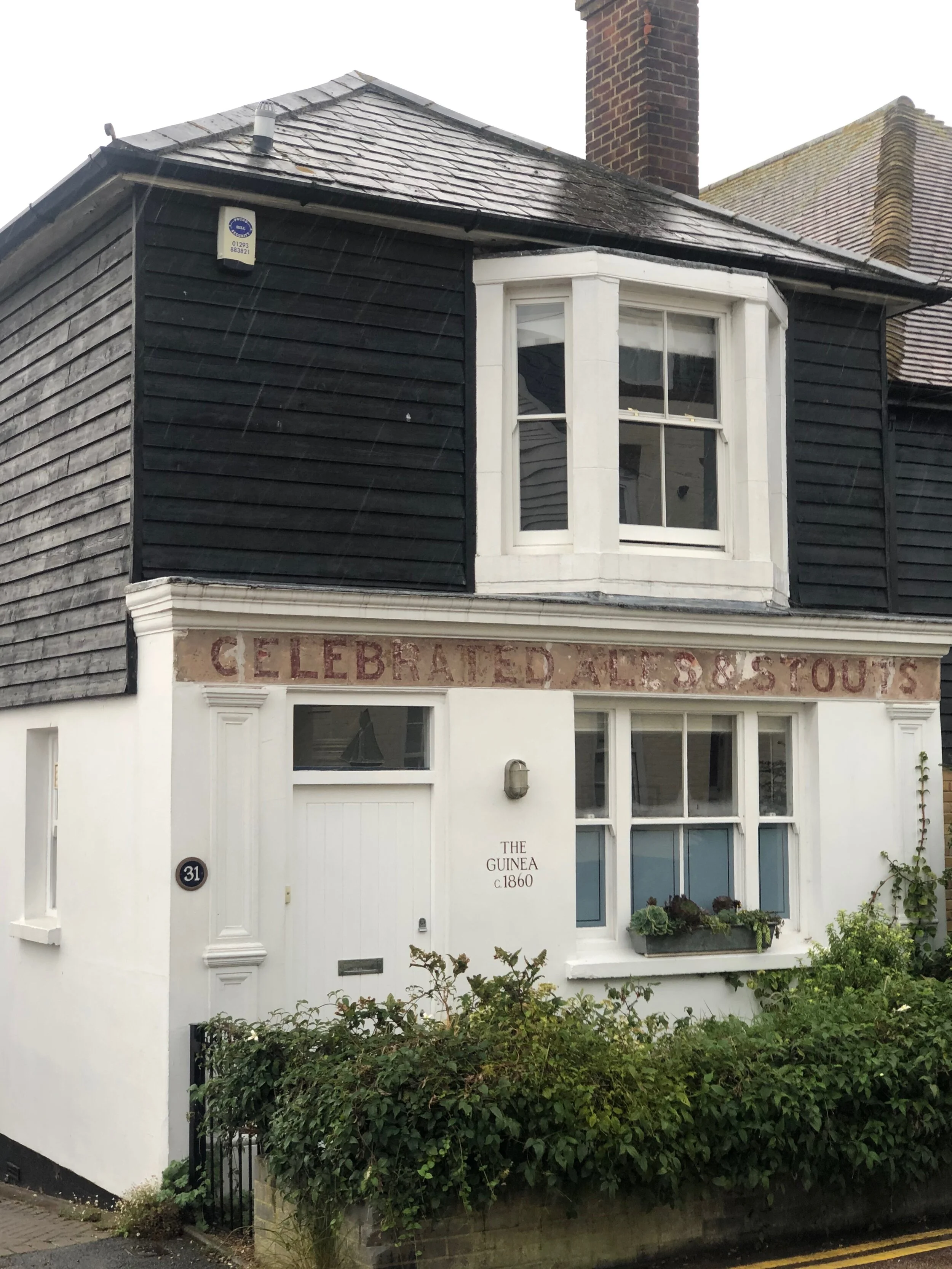
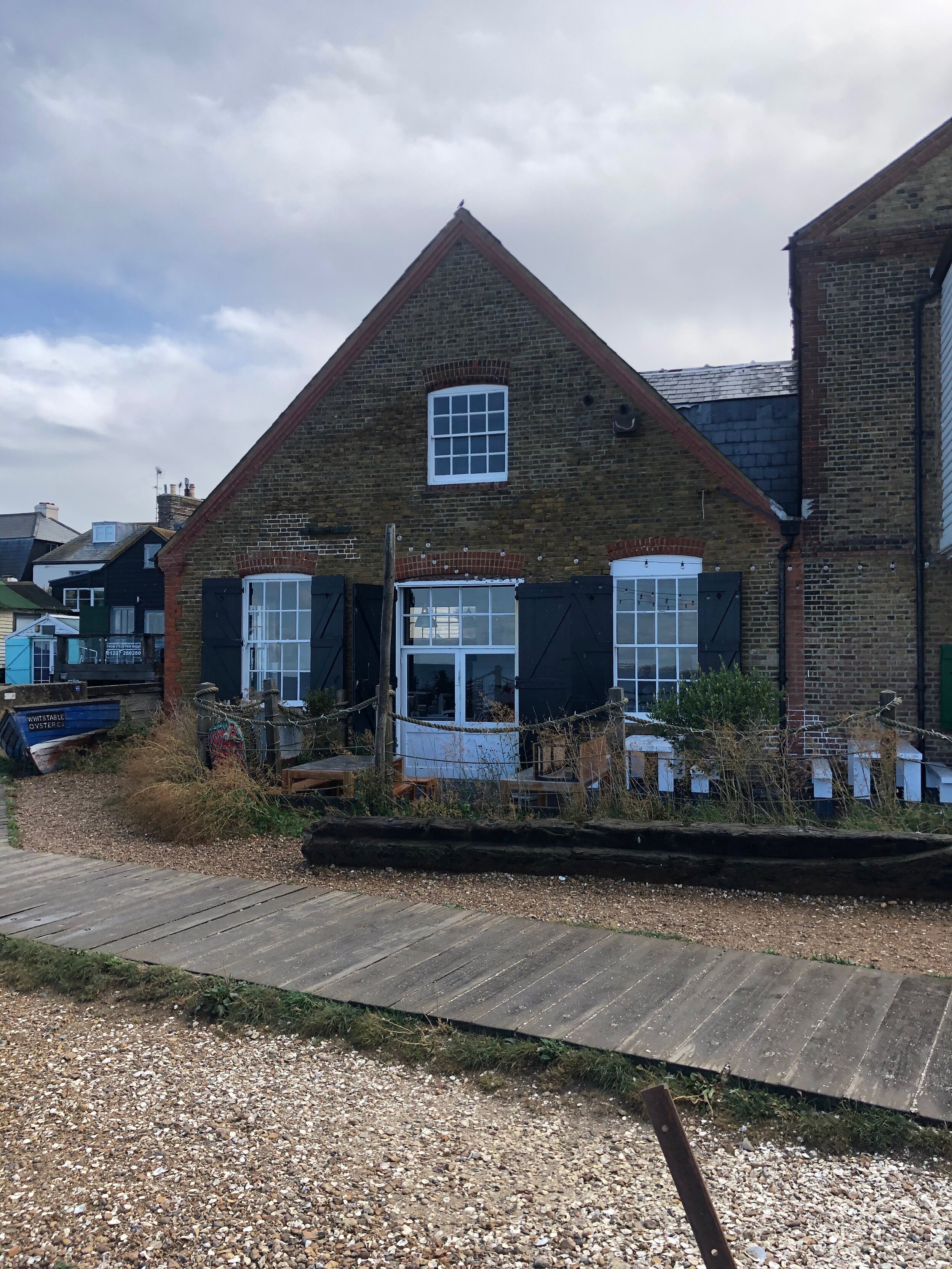
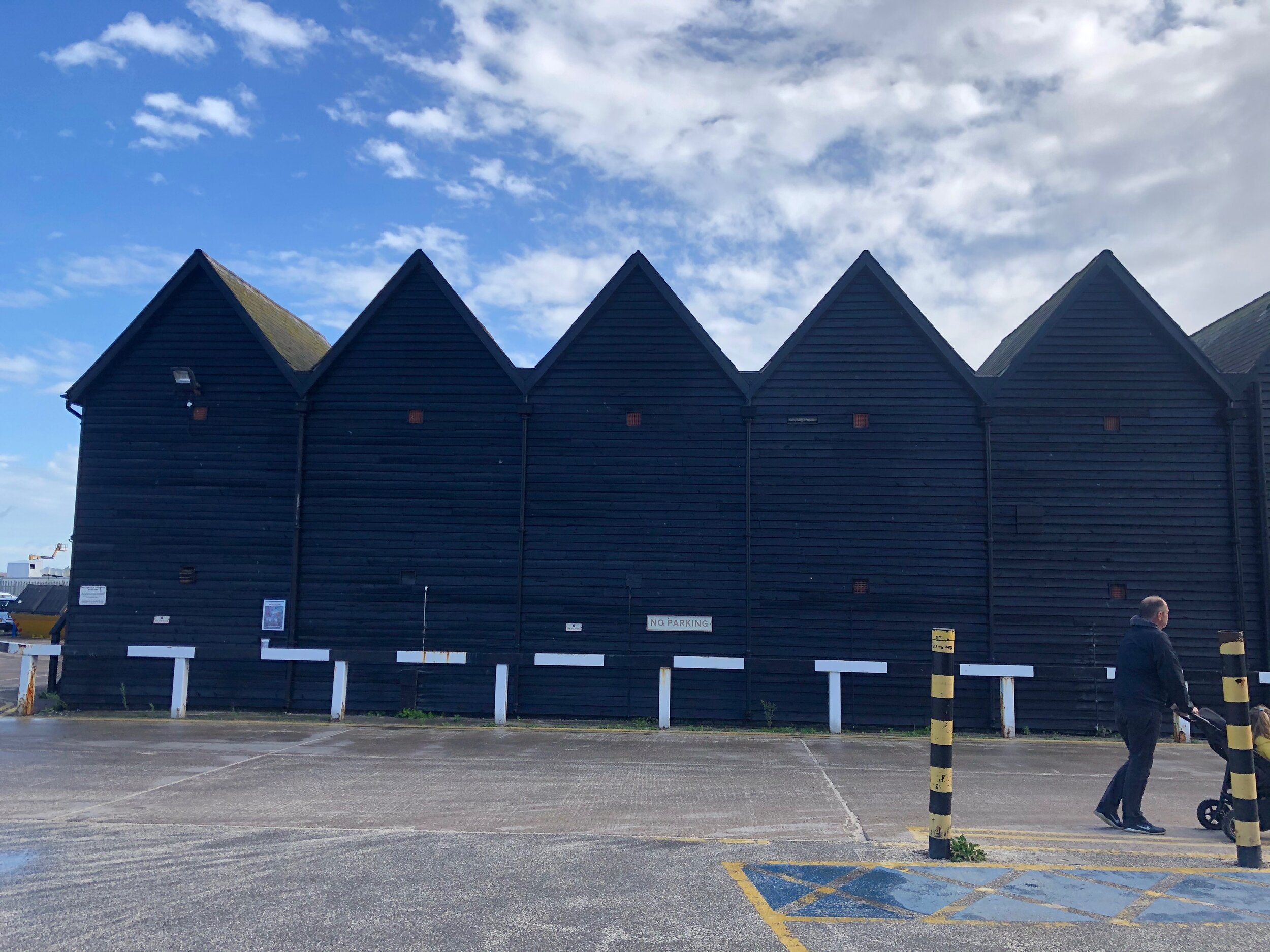
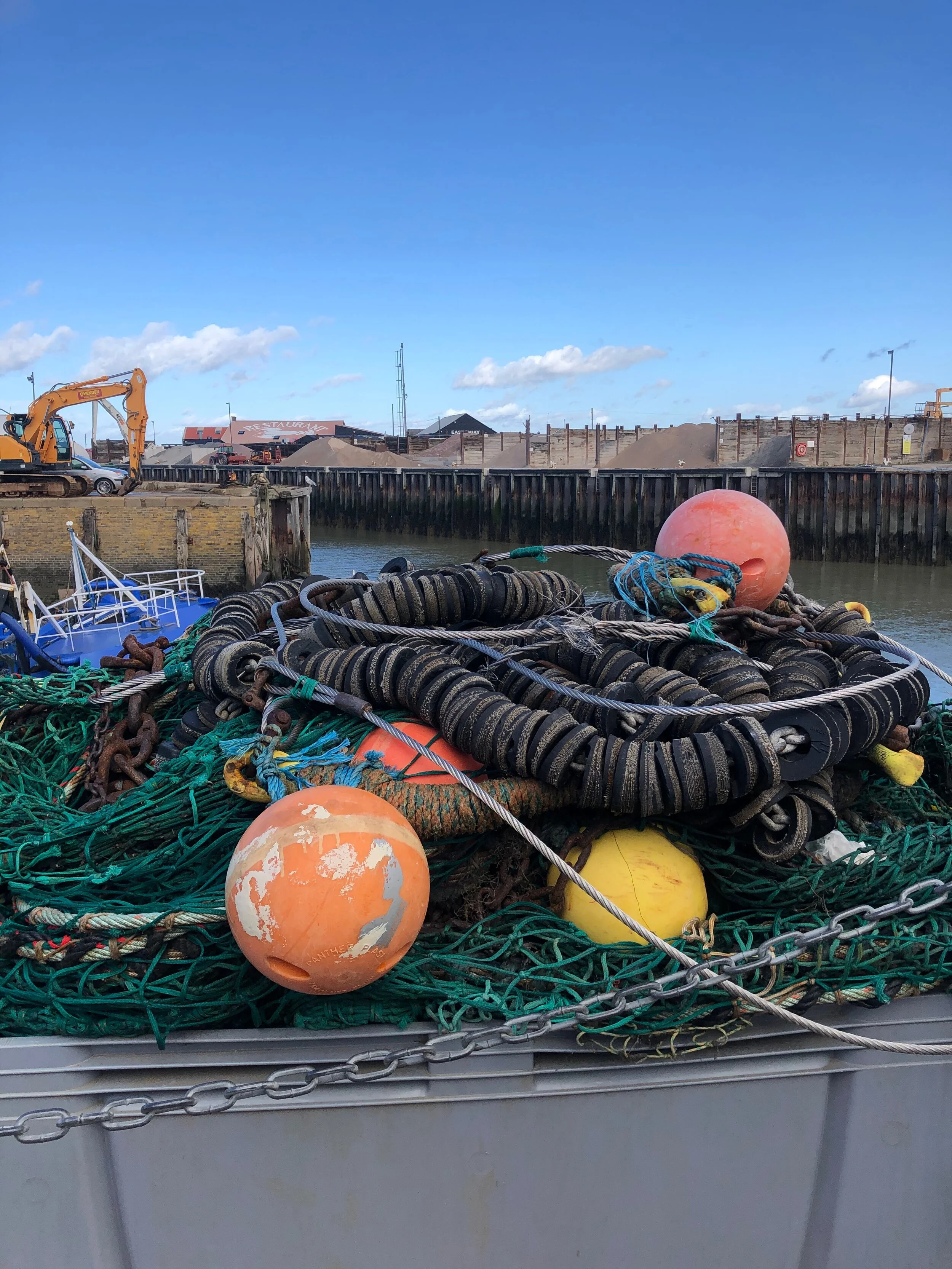
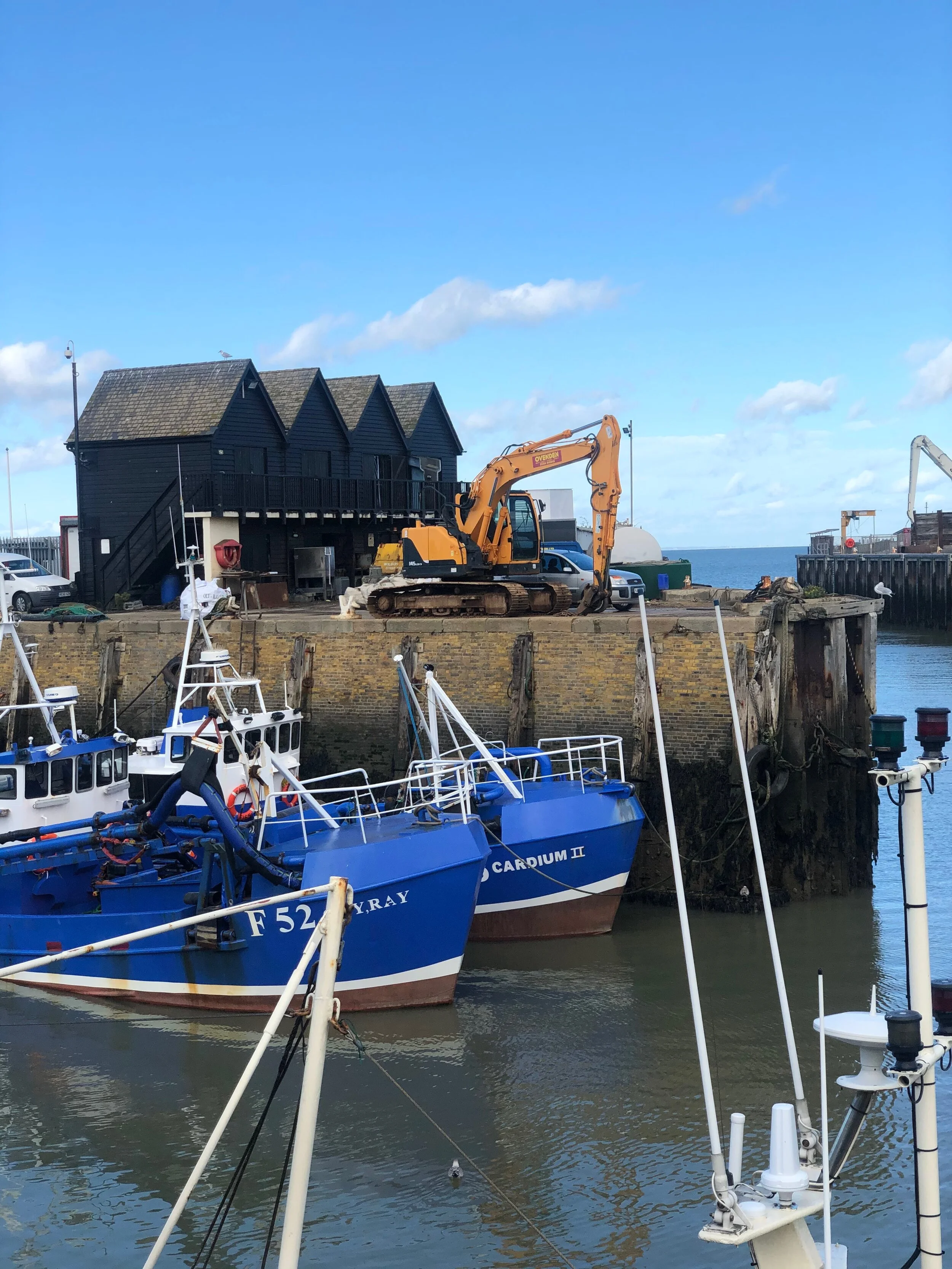
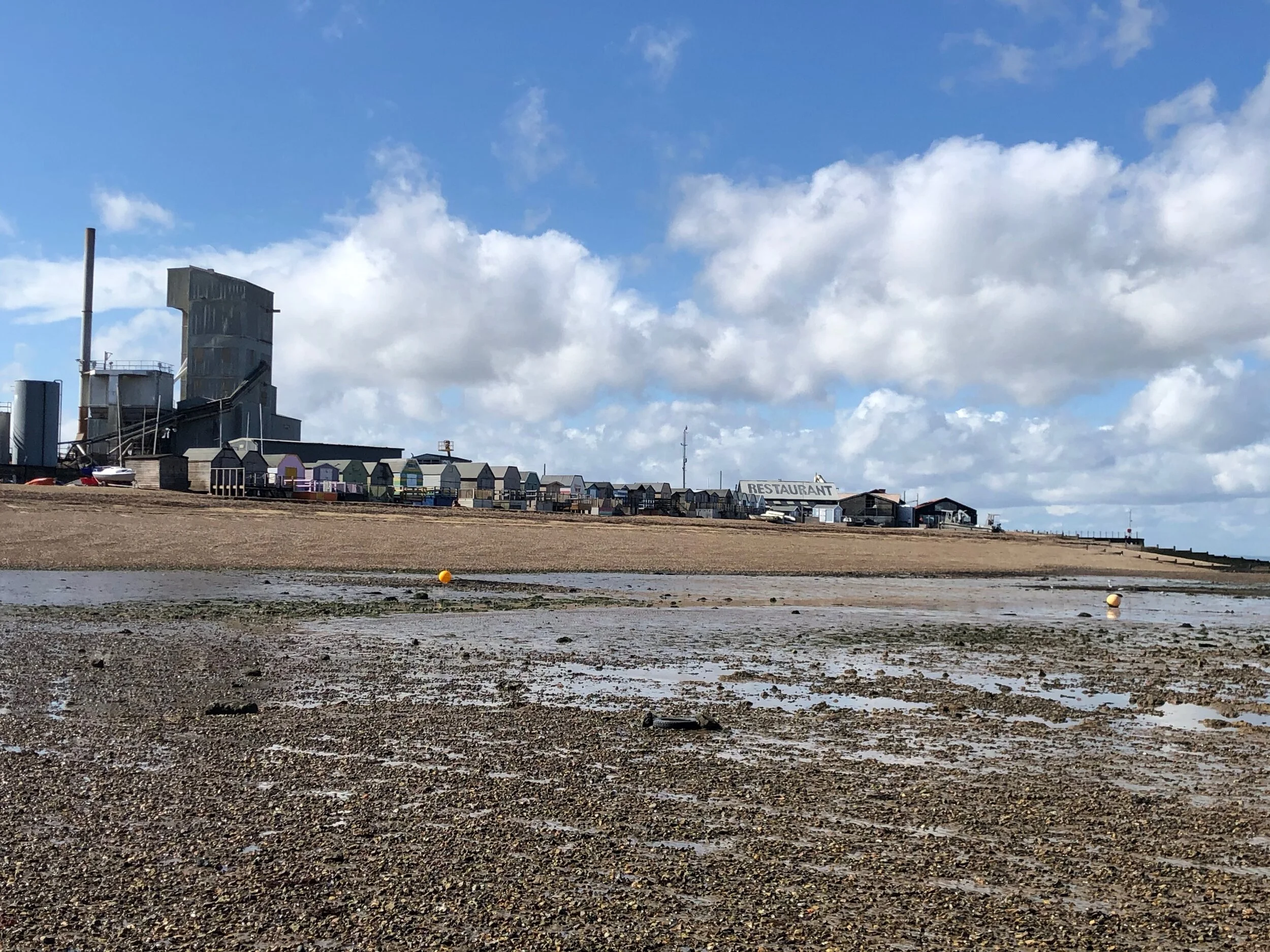
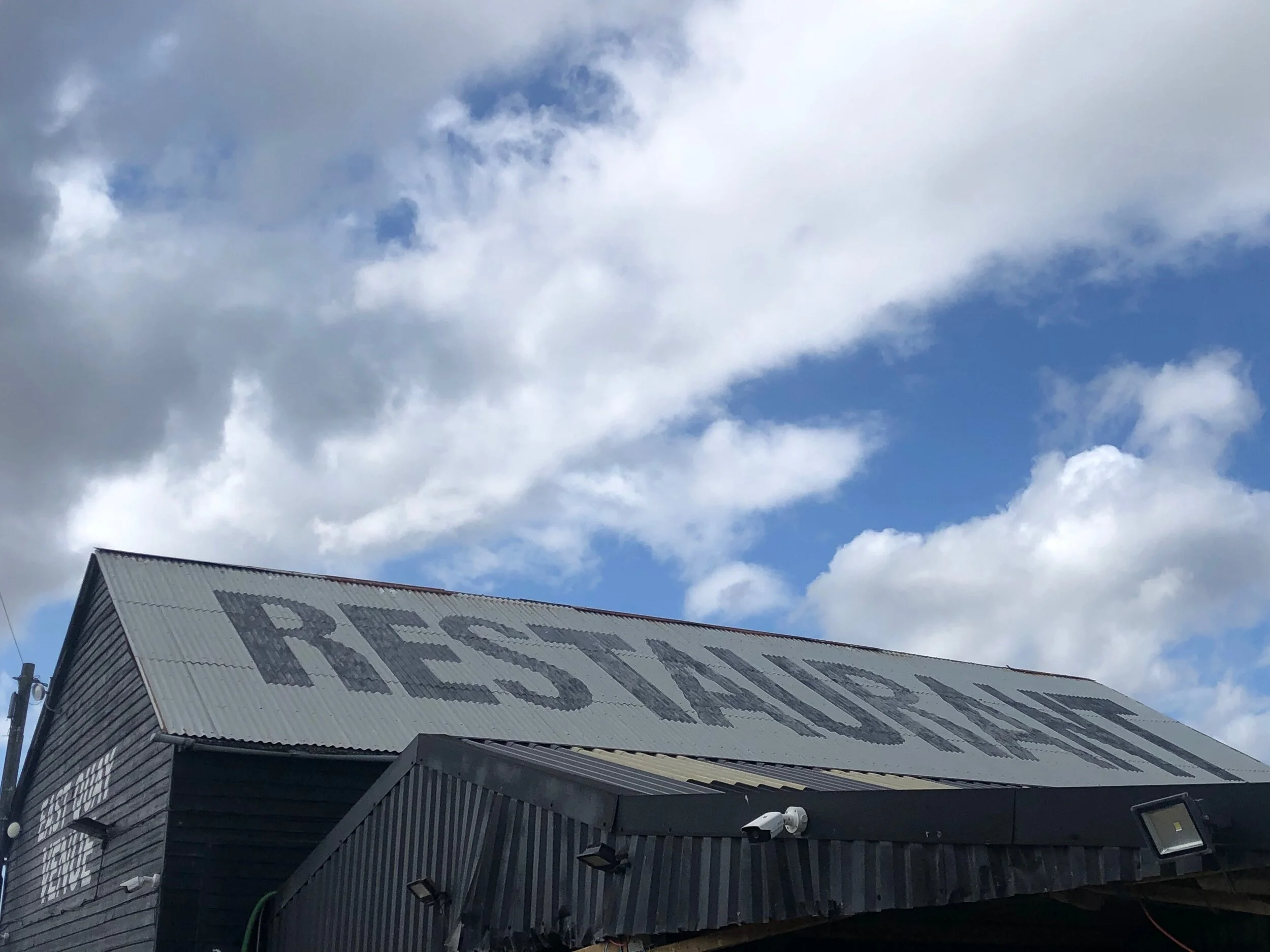
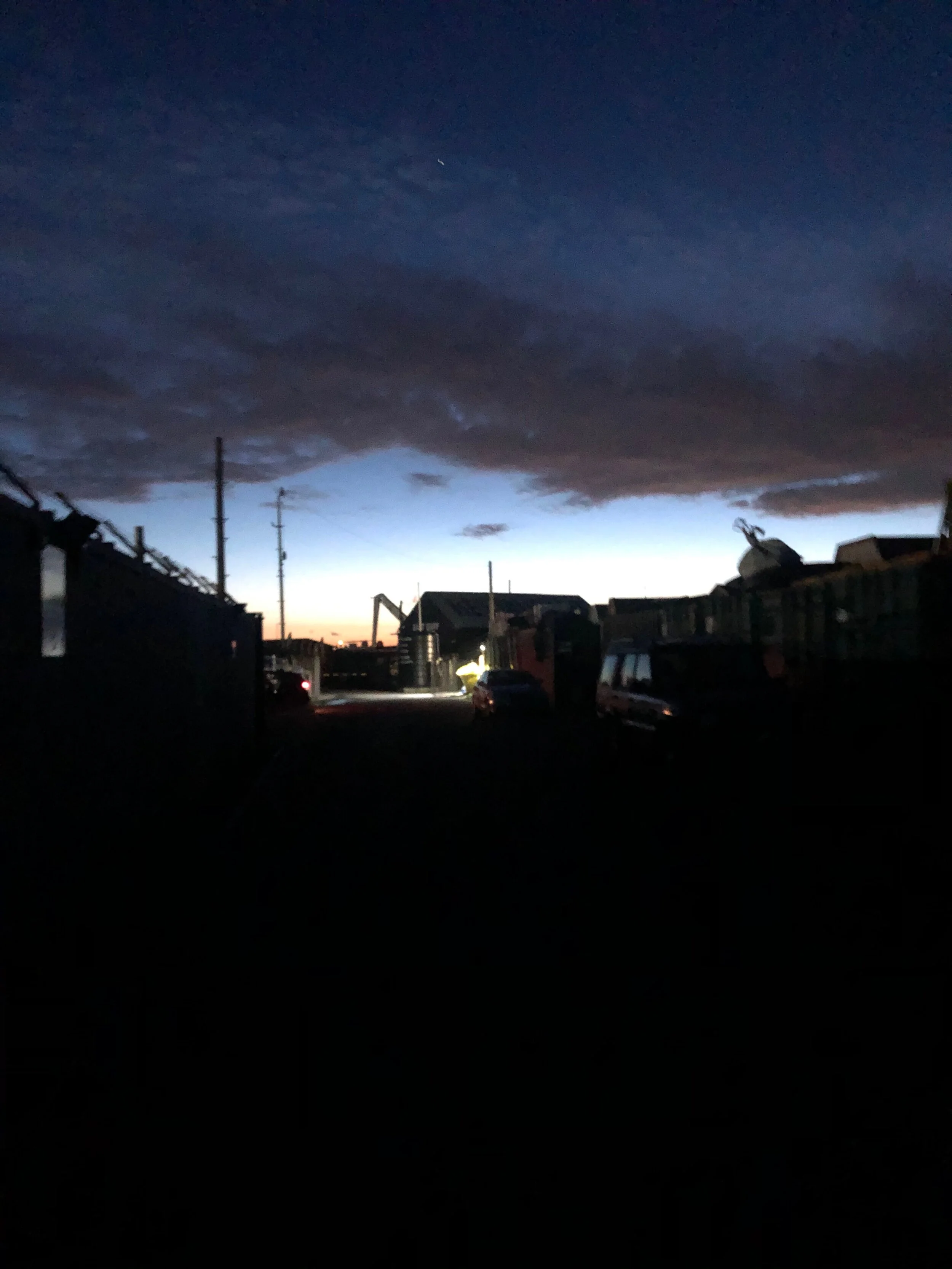
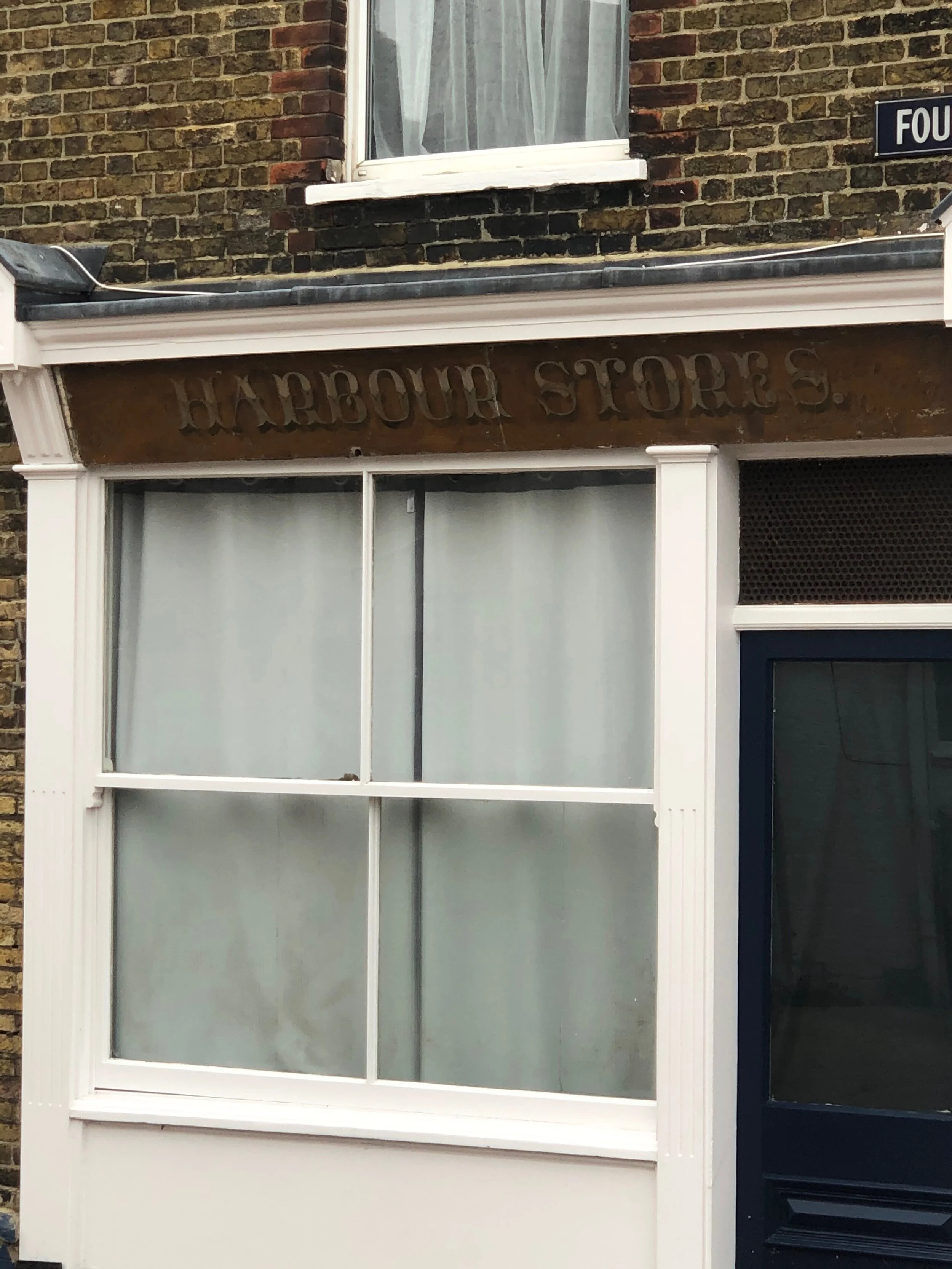
Whitstable operates within a familiar typology of the English seaside town, but what distinguishes it is the persistence of detail. Along the harbour edge, signage remains largely uncorrected, lettering fades unevenly, paint layers build and erode, typefaces sit outside contemporary conventions. These are not curated artefacts, but working remnants. Their value lies in continuity rather than preservation.Street furniture and public elements follow a similar pattern. Colour is applied directly and practically, greens, reds, whites, without apparent concern for coordination. Over time, this produces combinations that feel resolved, despite their informality. The result is an environment where visual language has accumulated rather than been designed in a single gesture.
Dungeness: structure and exposure
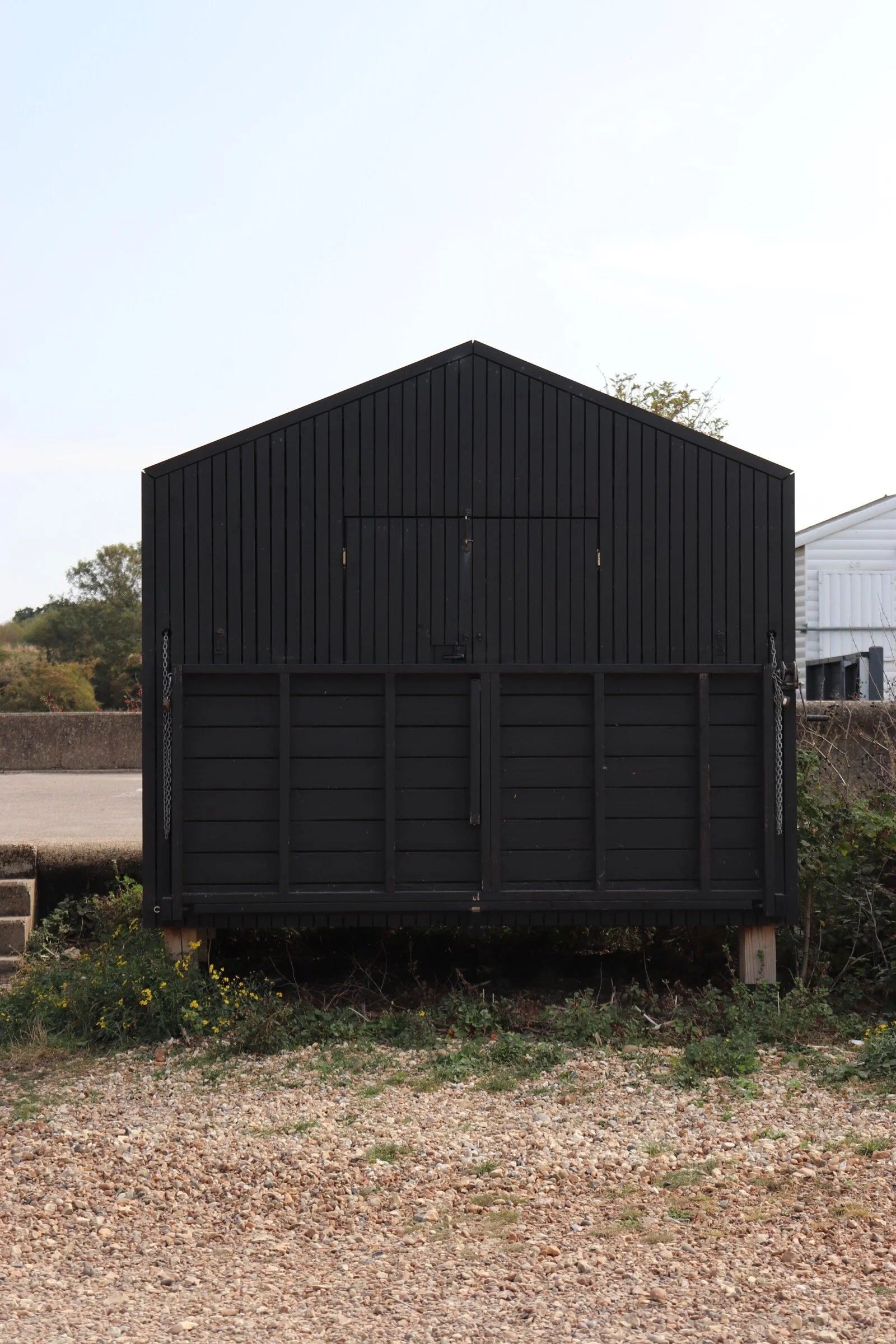
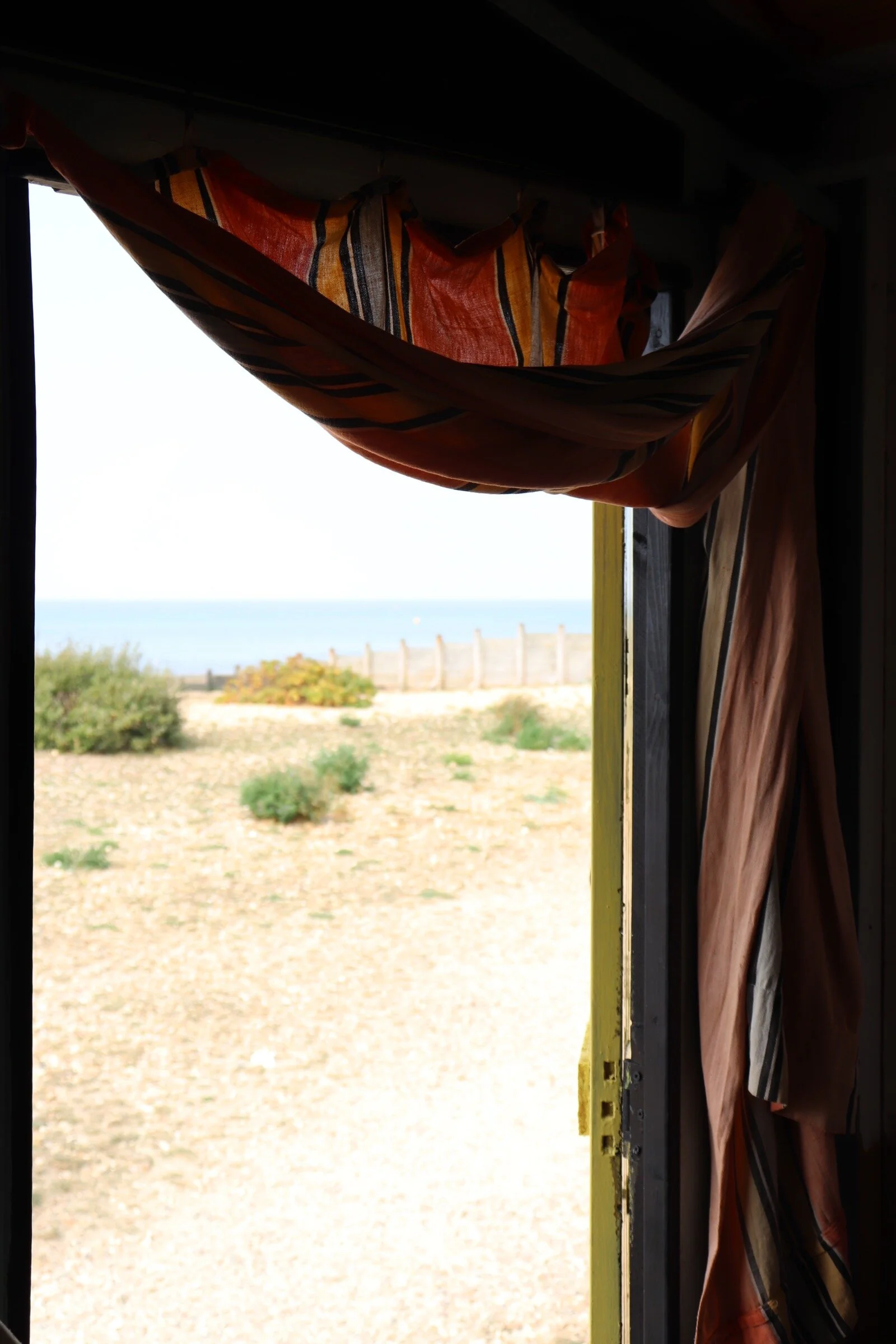
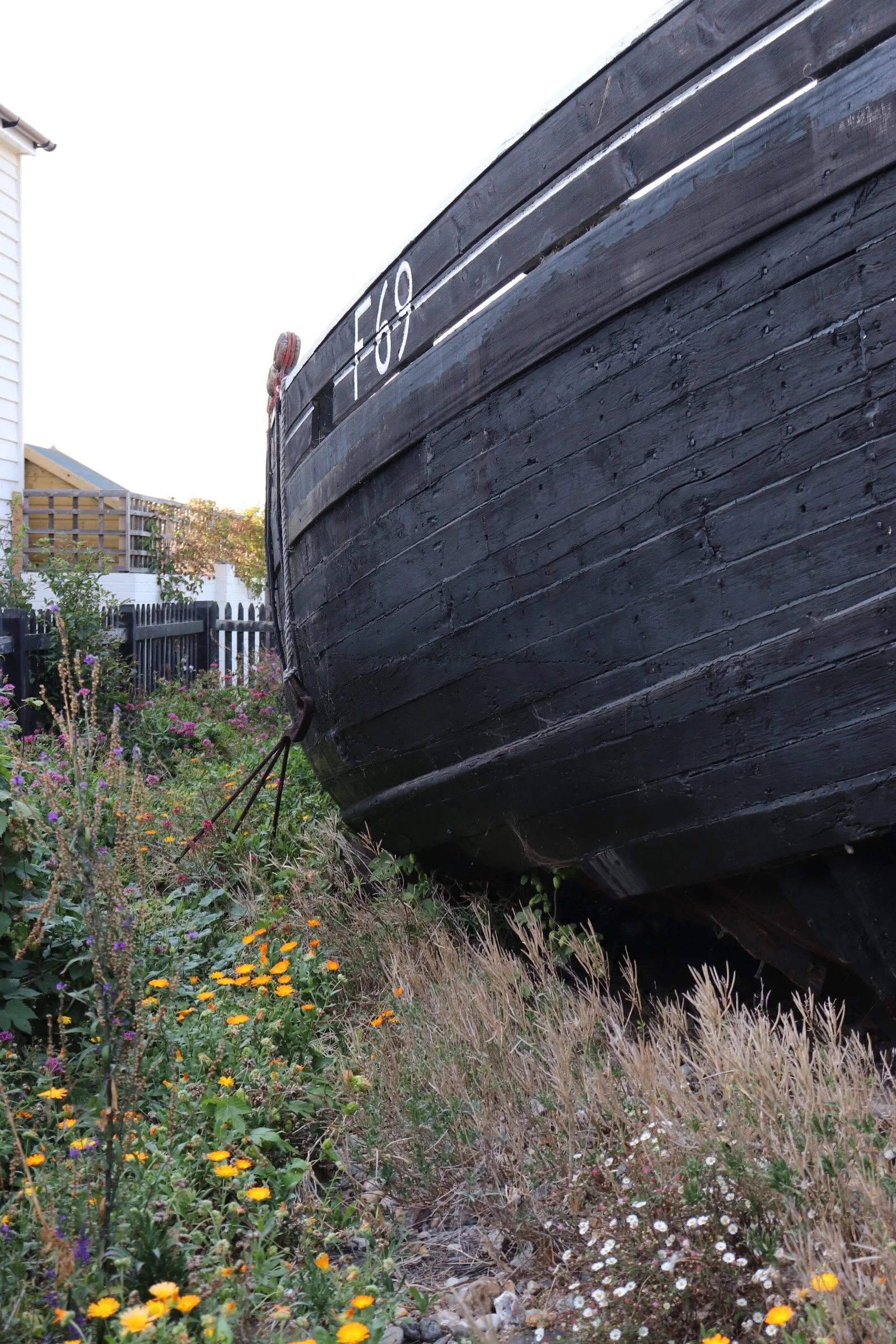
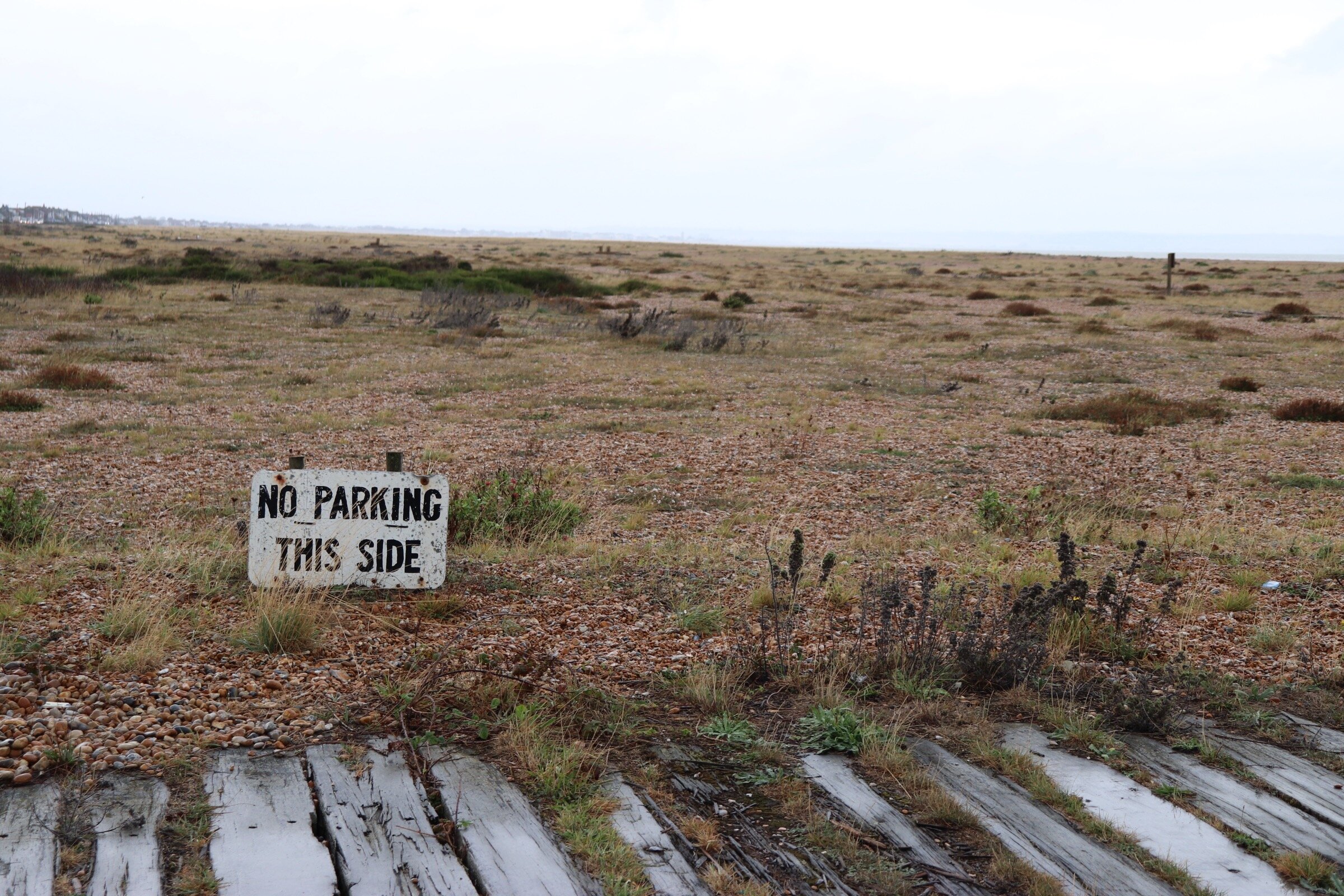
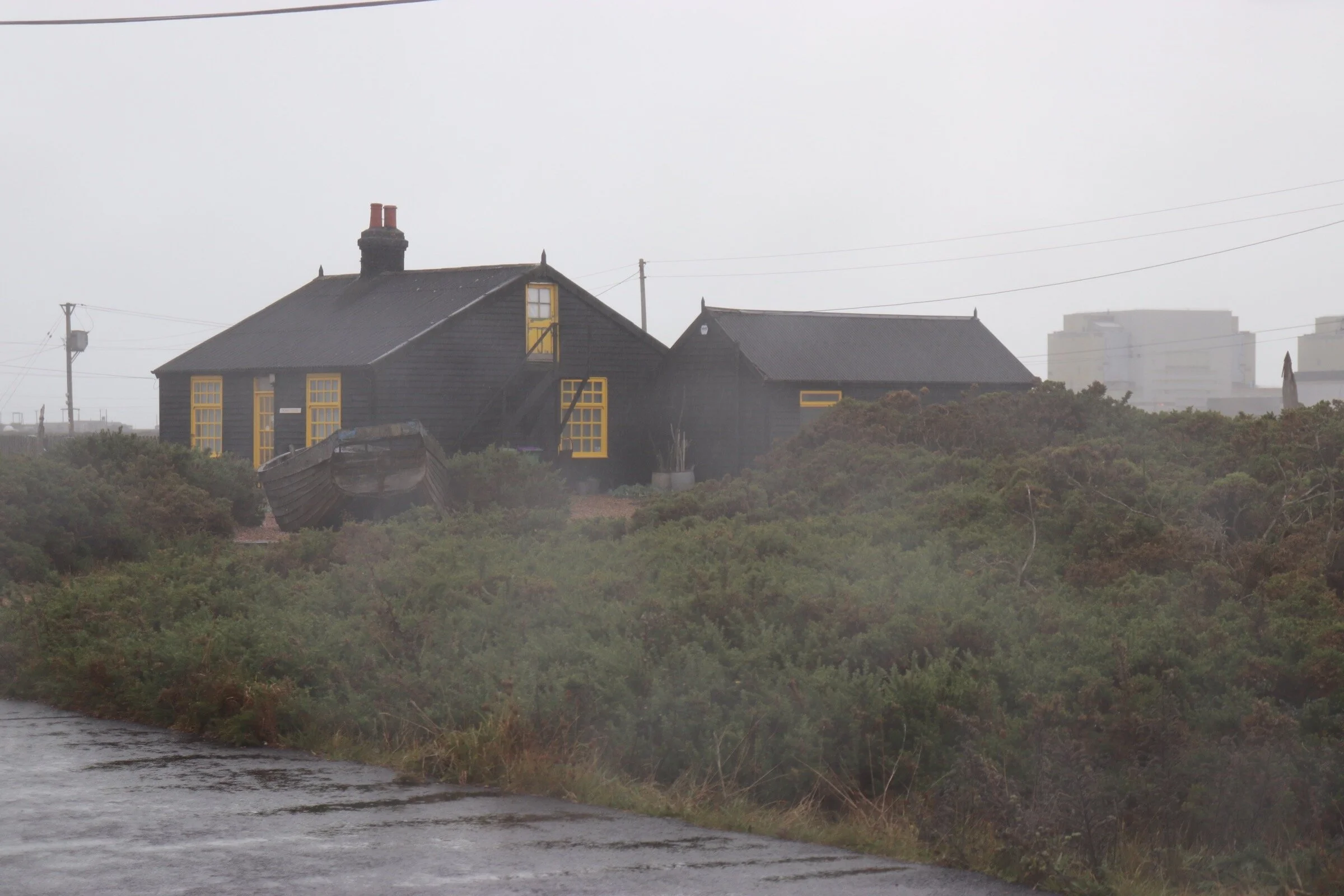
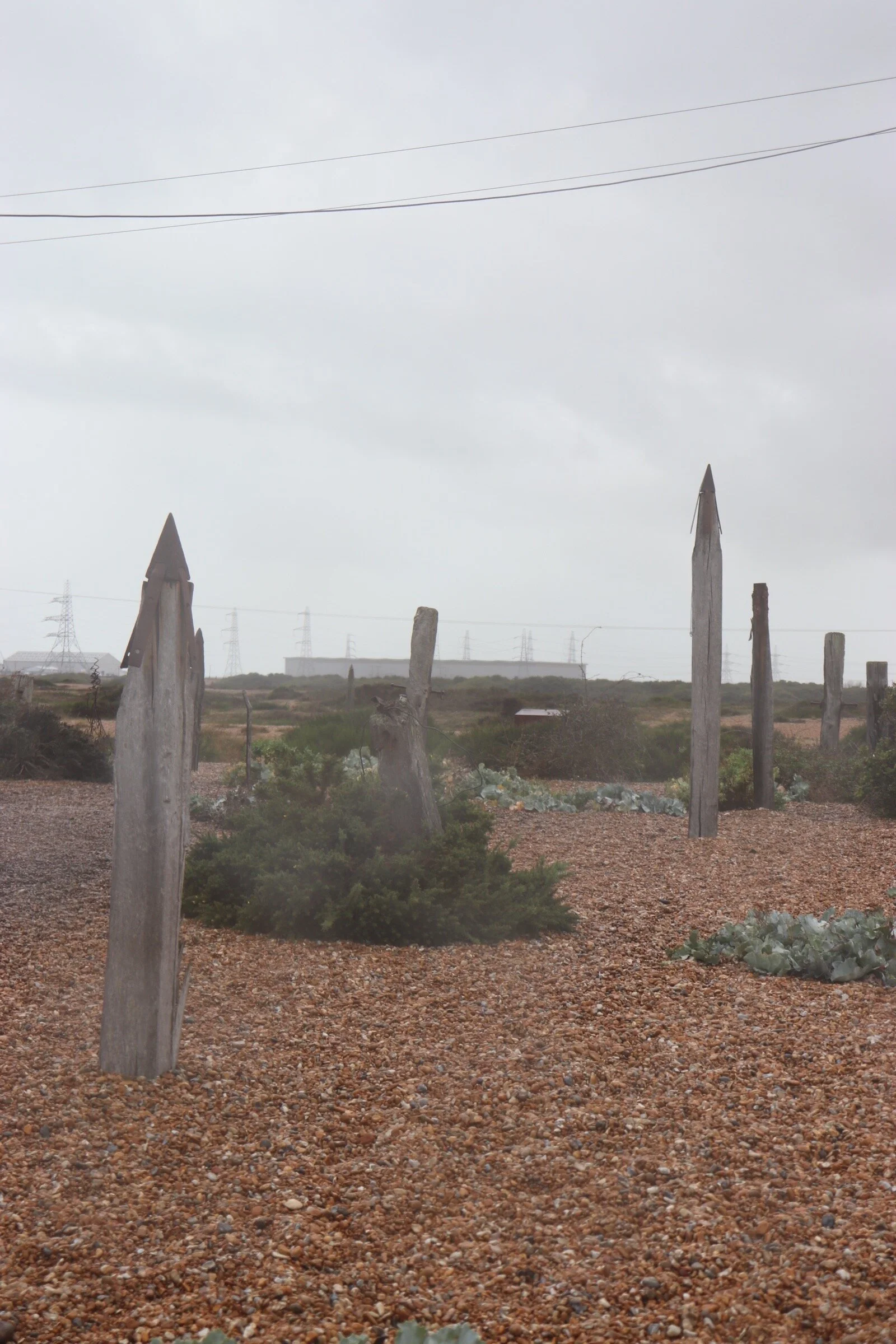
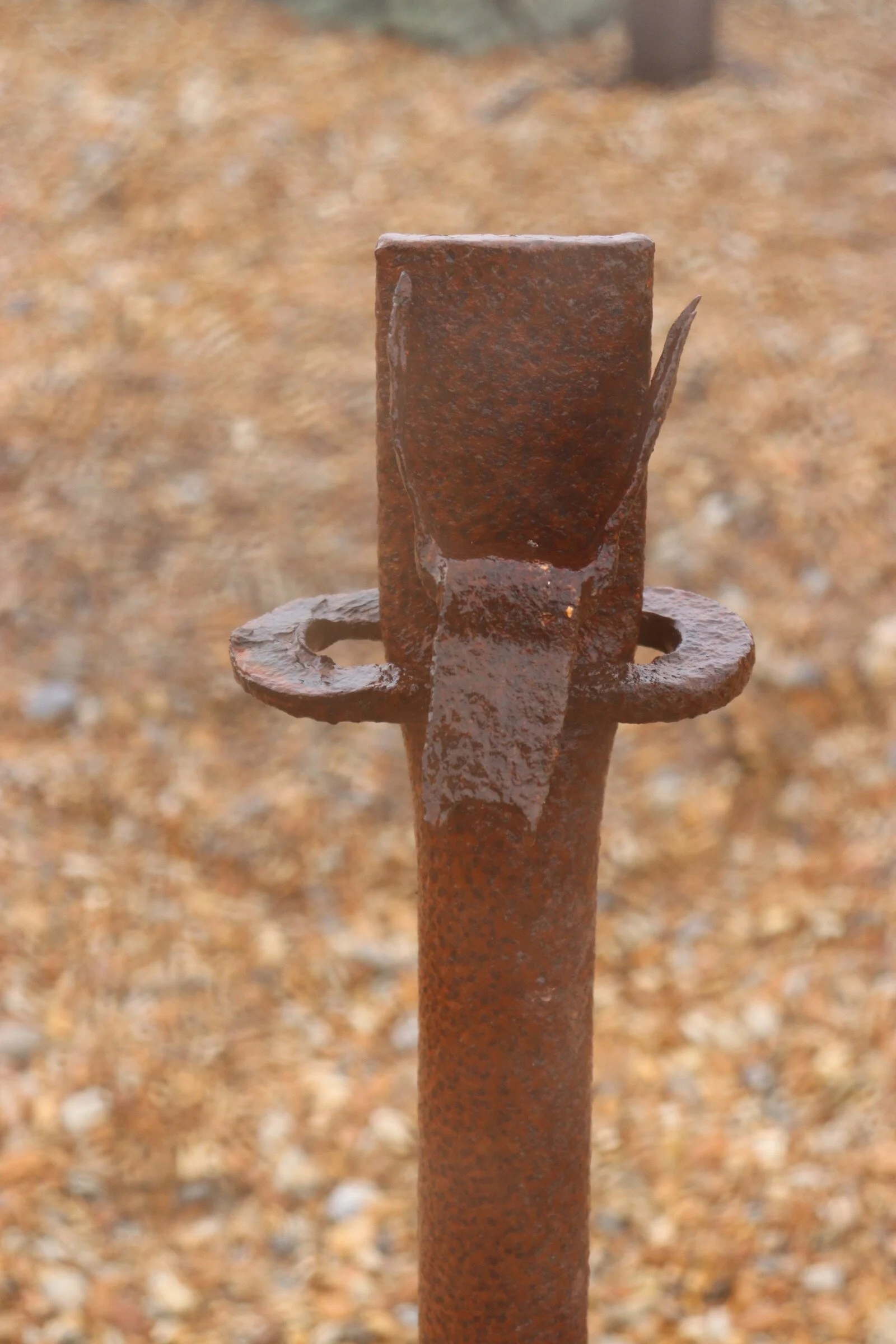
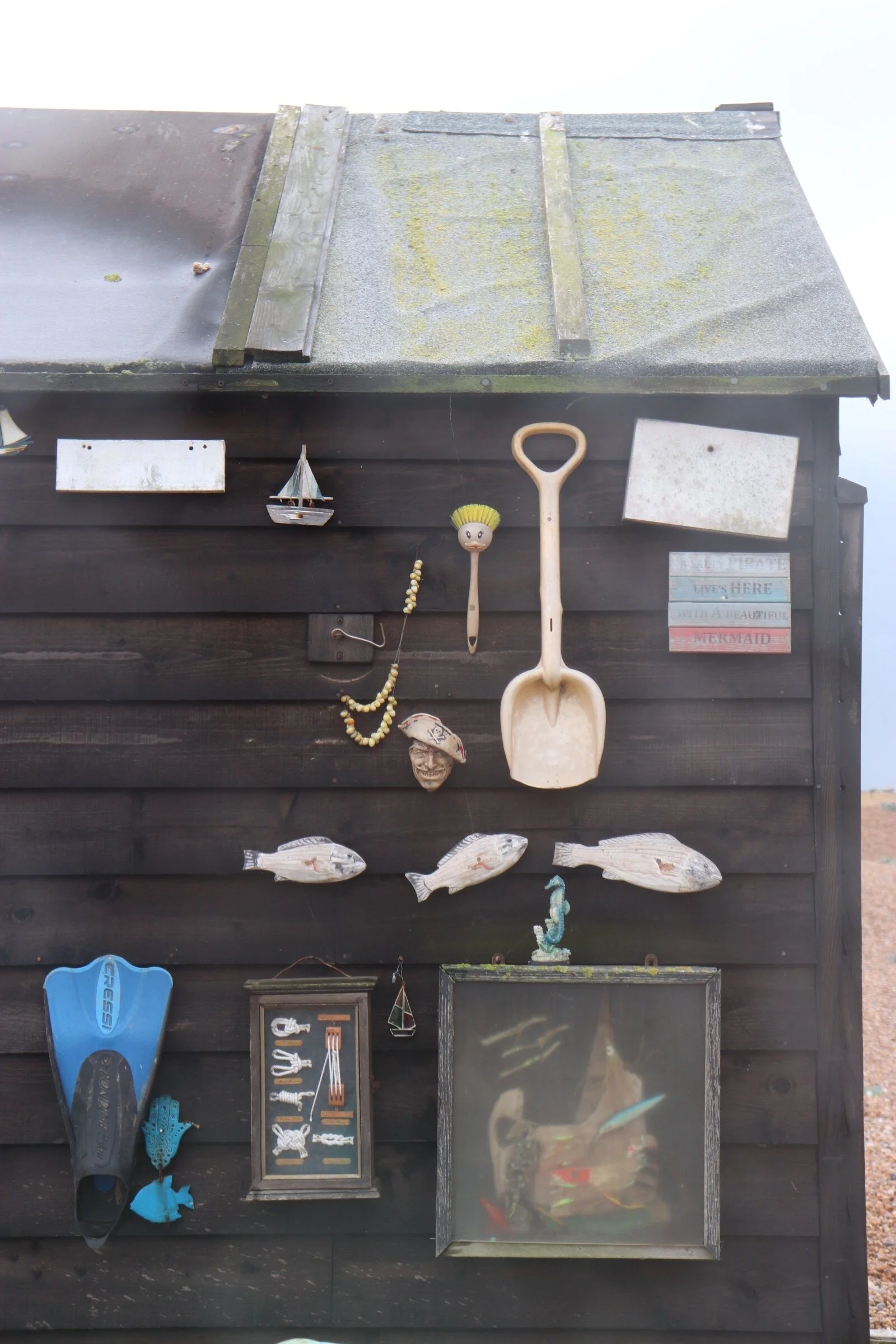
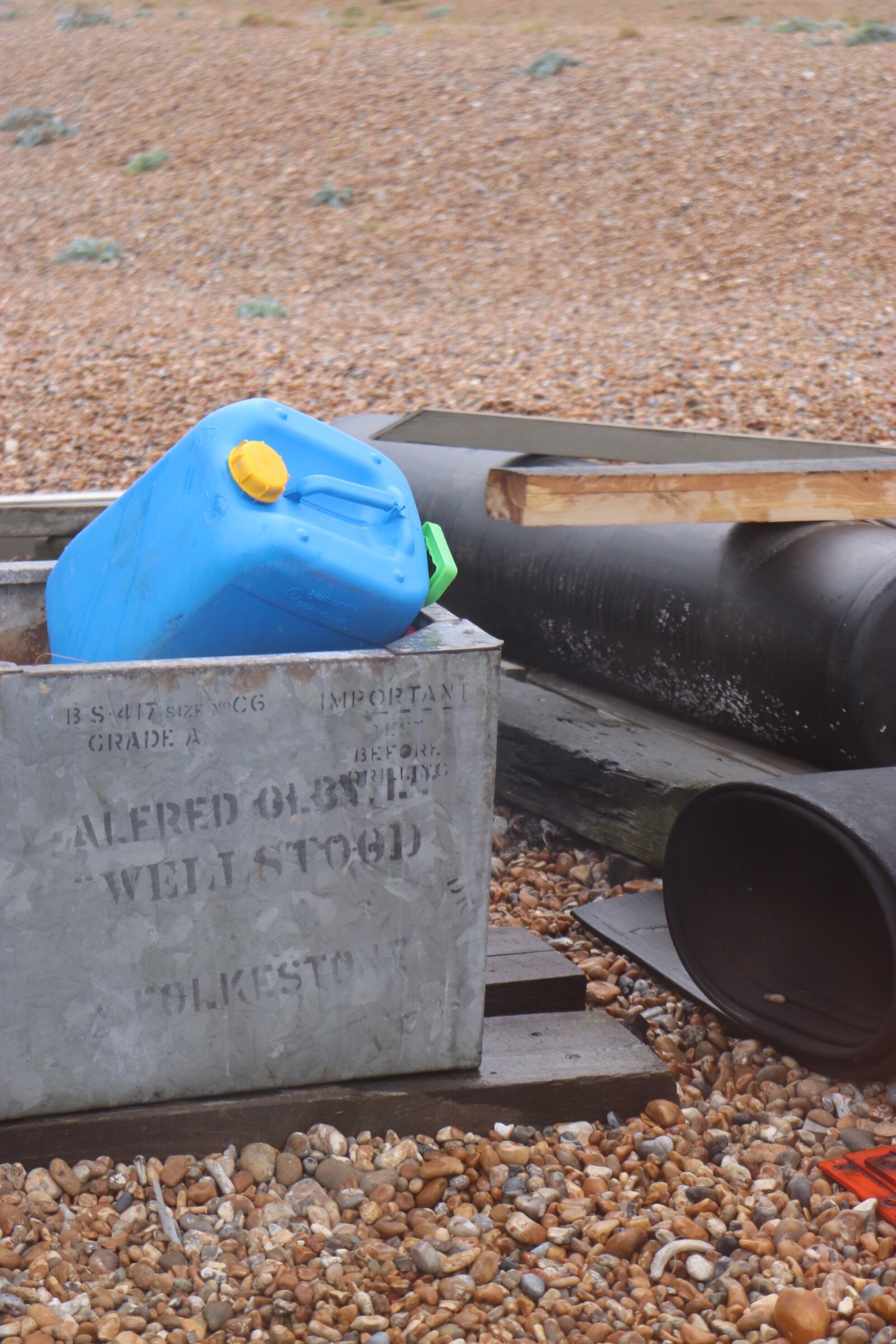
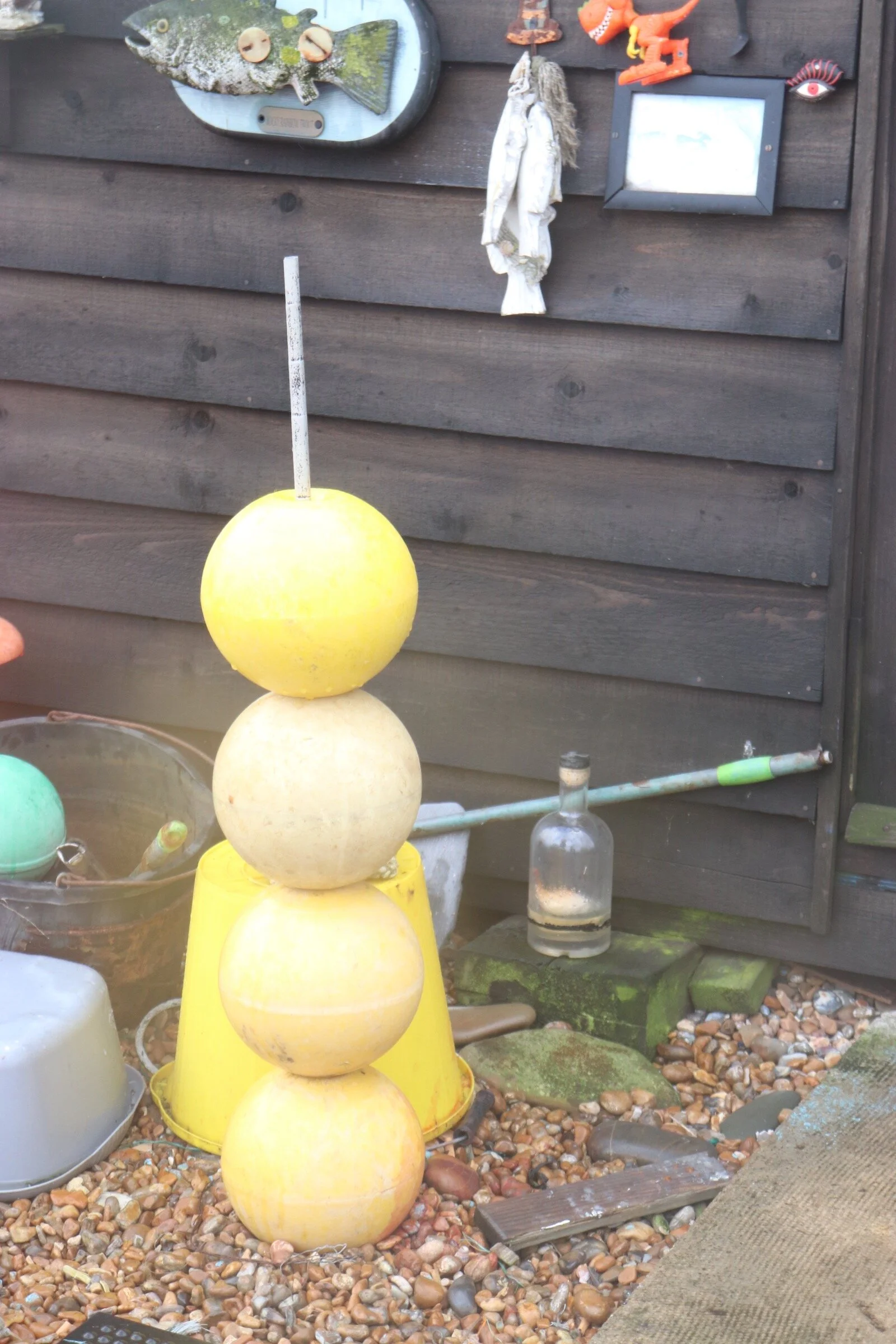
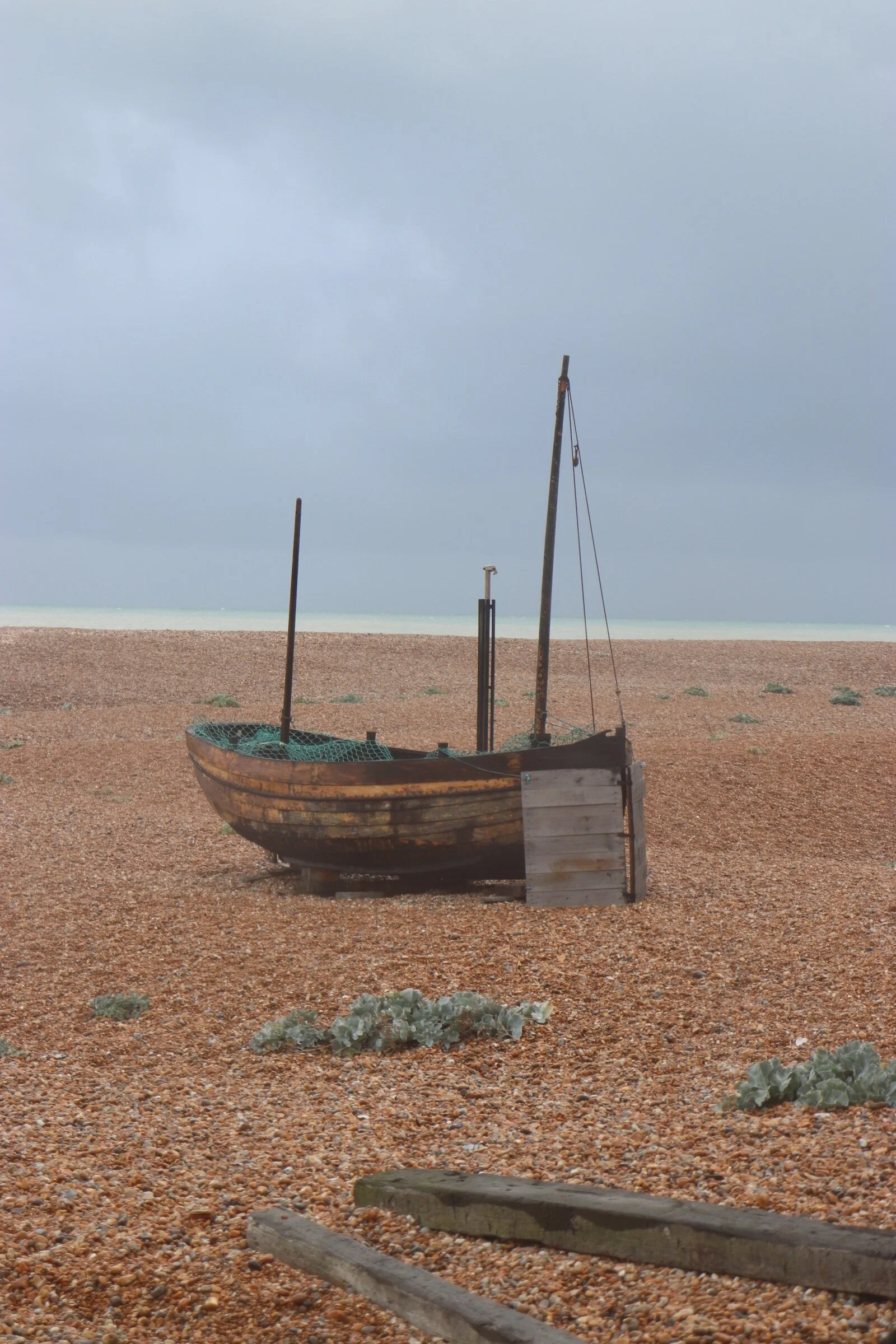
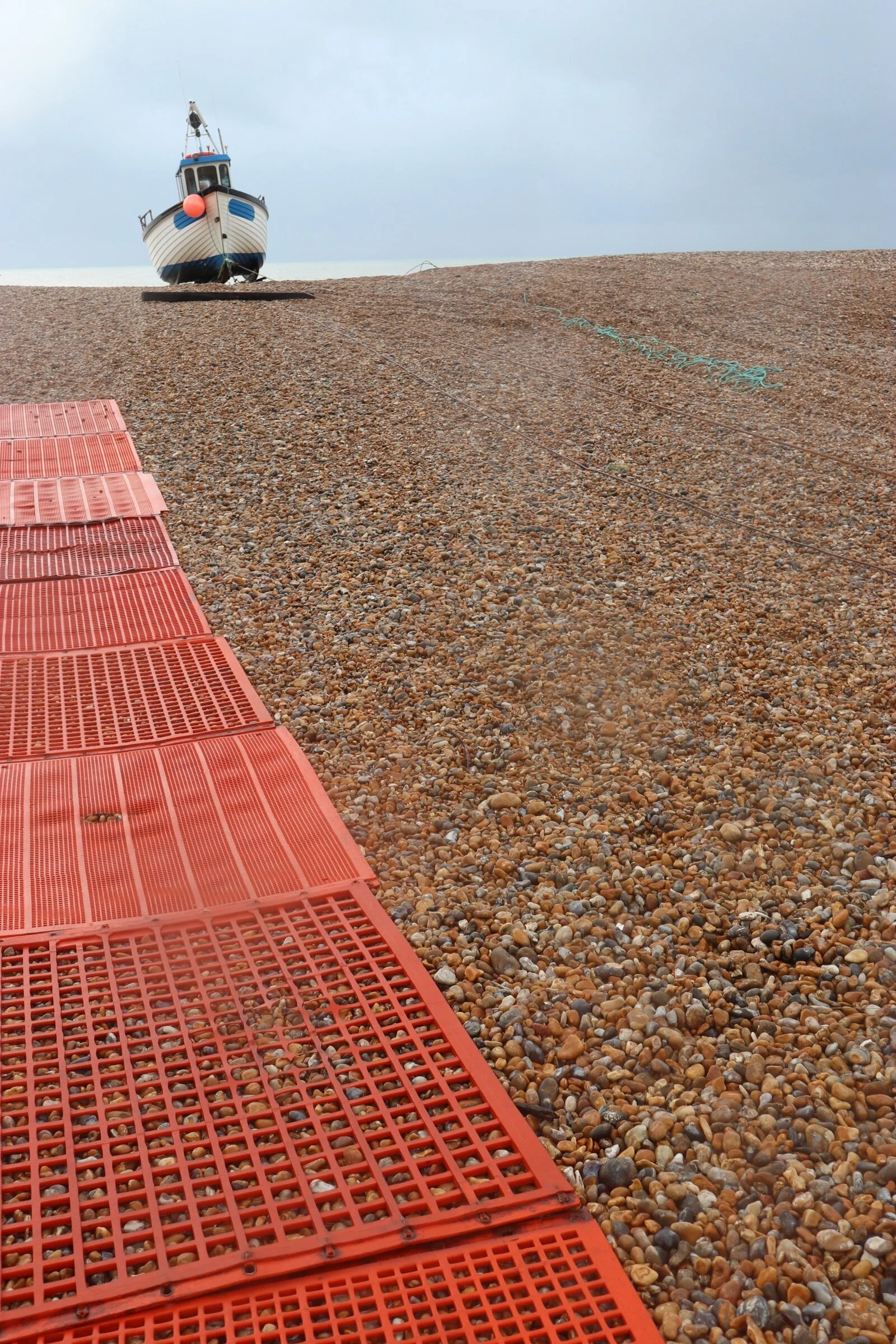
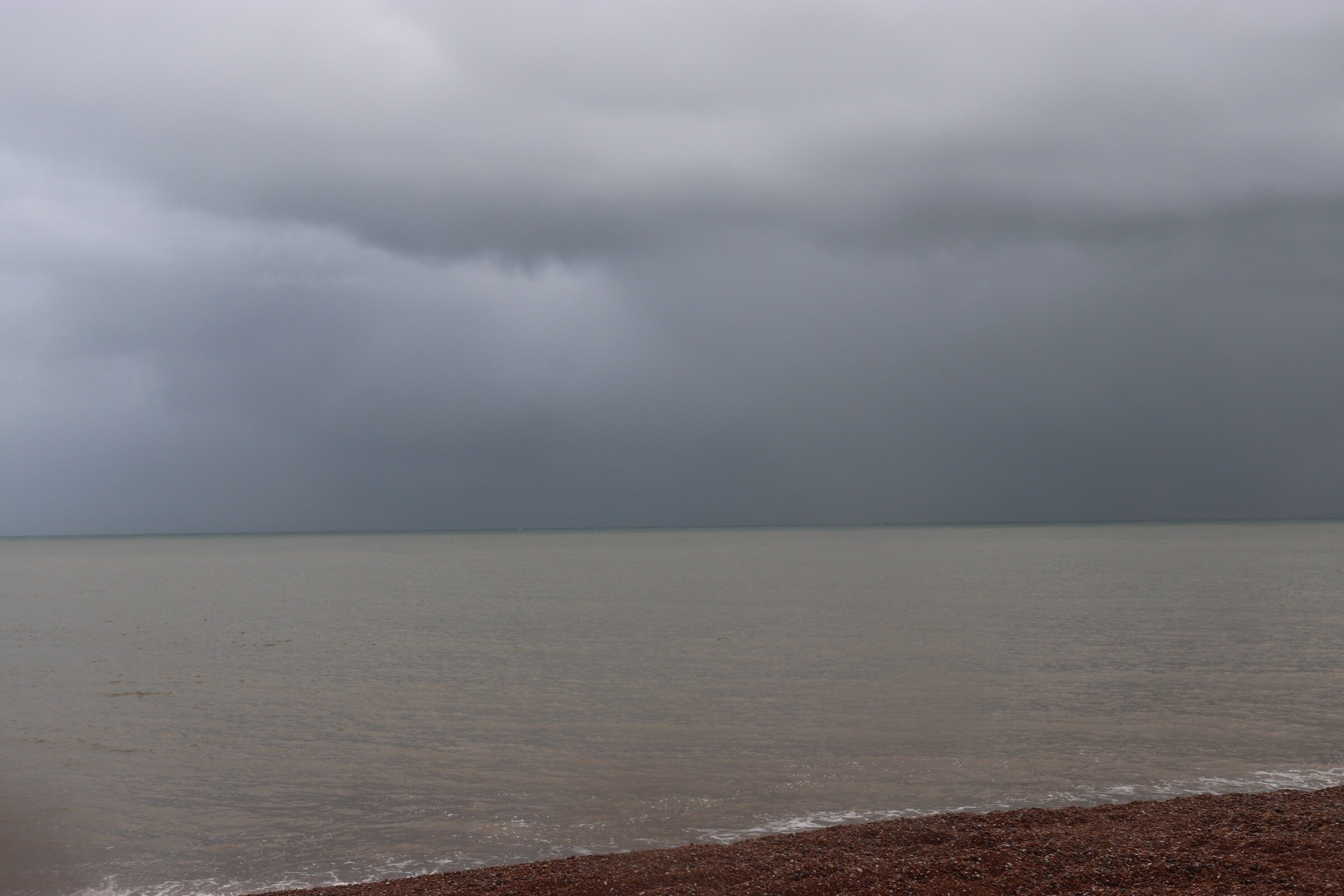
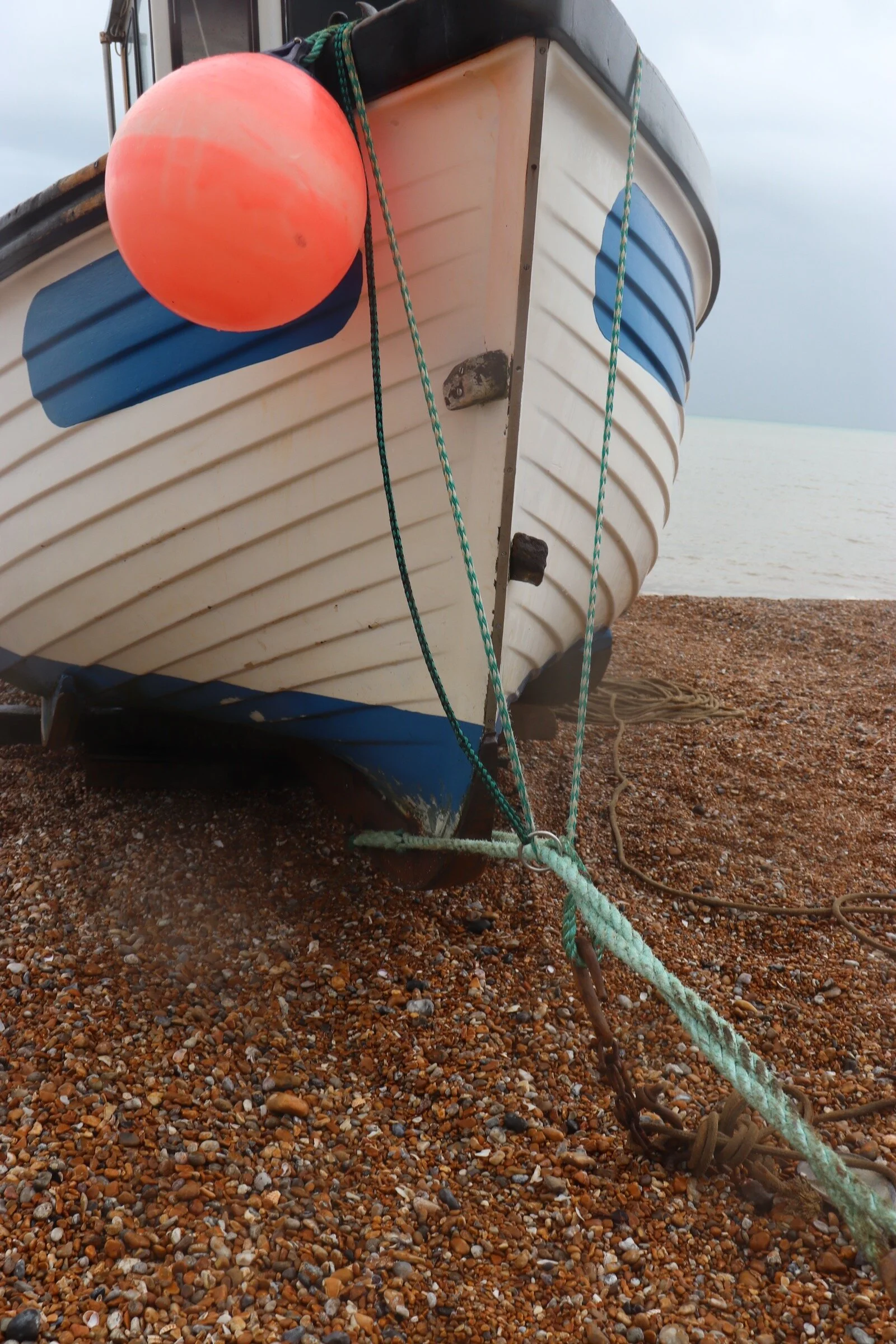
Further along the coast, Dungeness presents a markedly different condition. The landscape is sparse, defined by shingle, low structures, and a lack of enclosure. Objects, boats, sheds, and equipment are dispersed rather than arranged. There is little attempt to mediate the environment. What emerges is a form of unintended composition. Materials weather visibly; surfaces record use. The distinction between object and landscape becomes less clear.
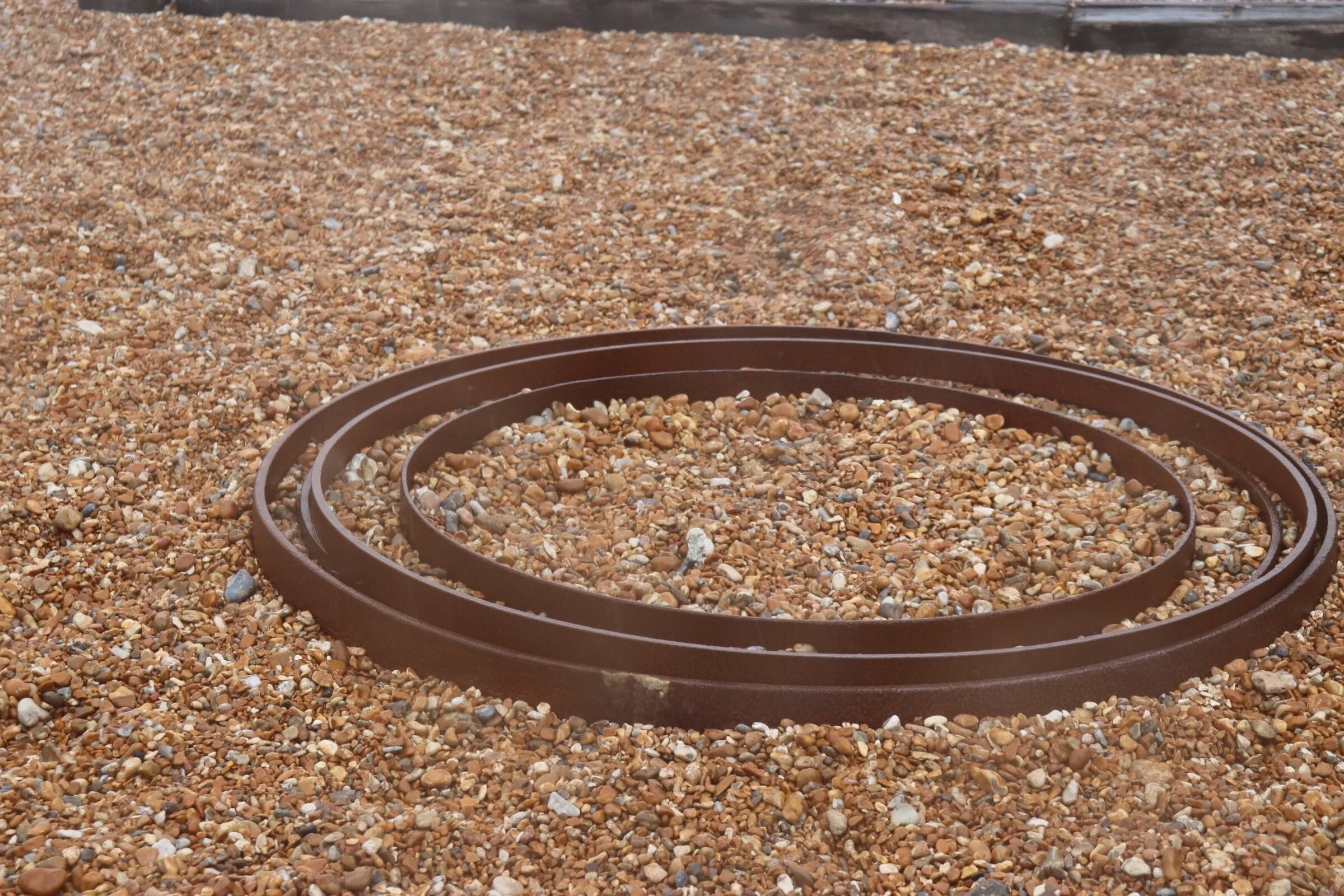
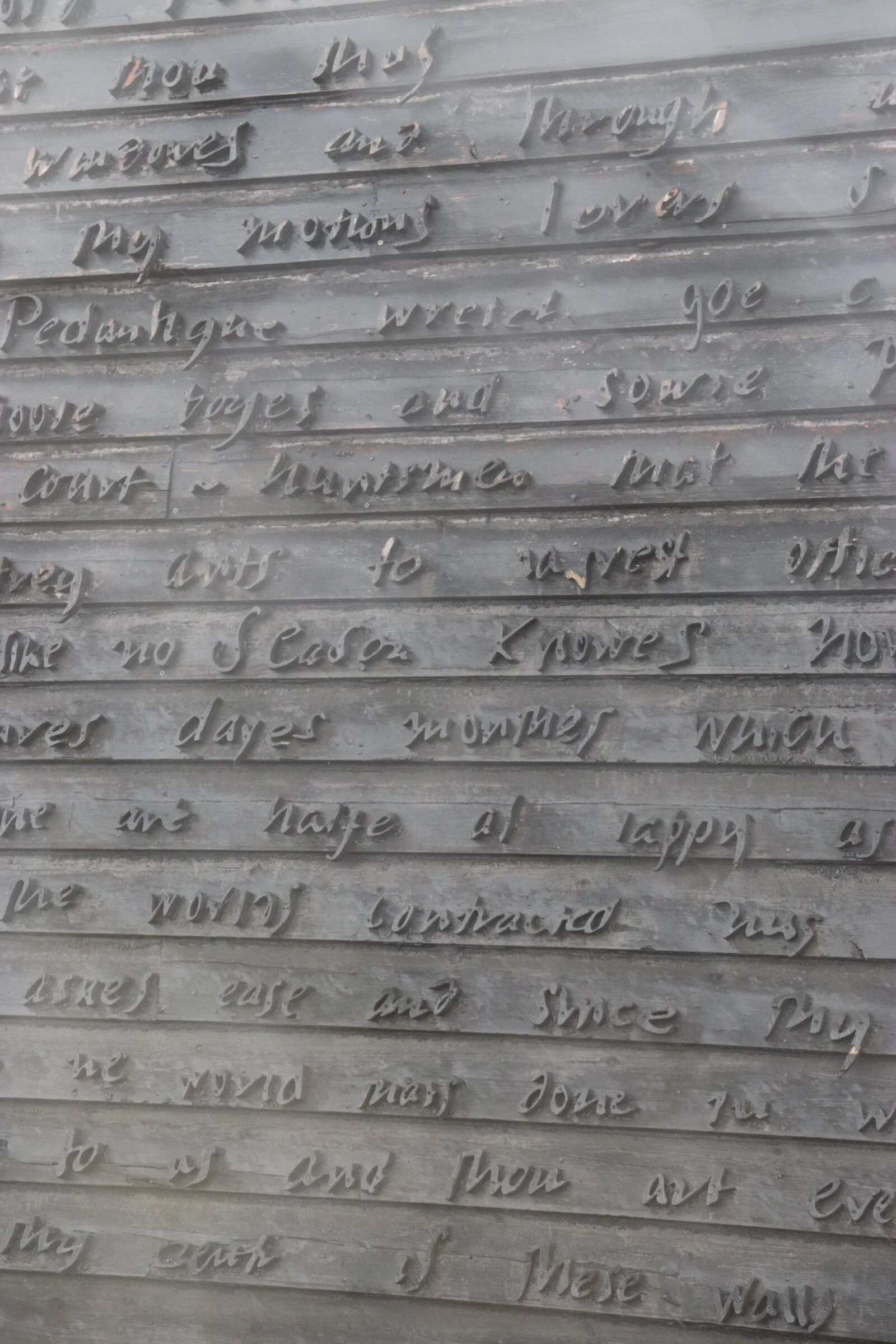
At Prospect Cottage, this relationship is made explicit. The garden does not impose order, but works with what is present: stone, metal, drift. Text is introduced sparingly, inscribed directly onto the building. It is a constructed space, but one that remains closely aligned with its surroundings.
Infrastructure as artefact
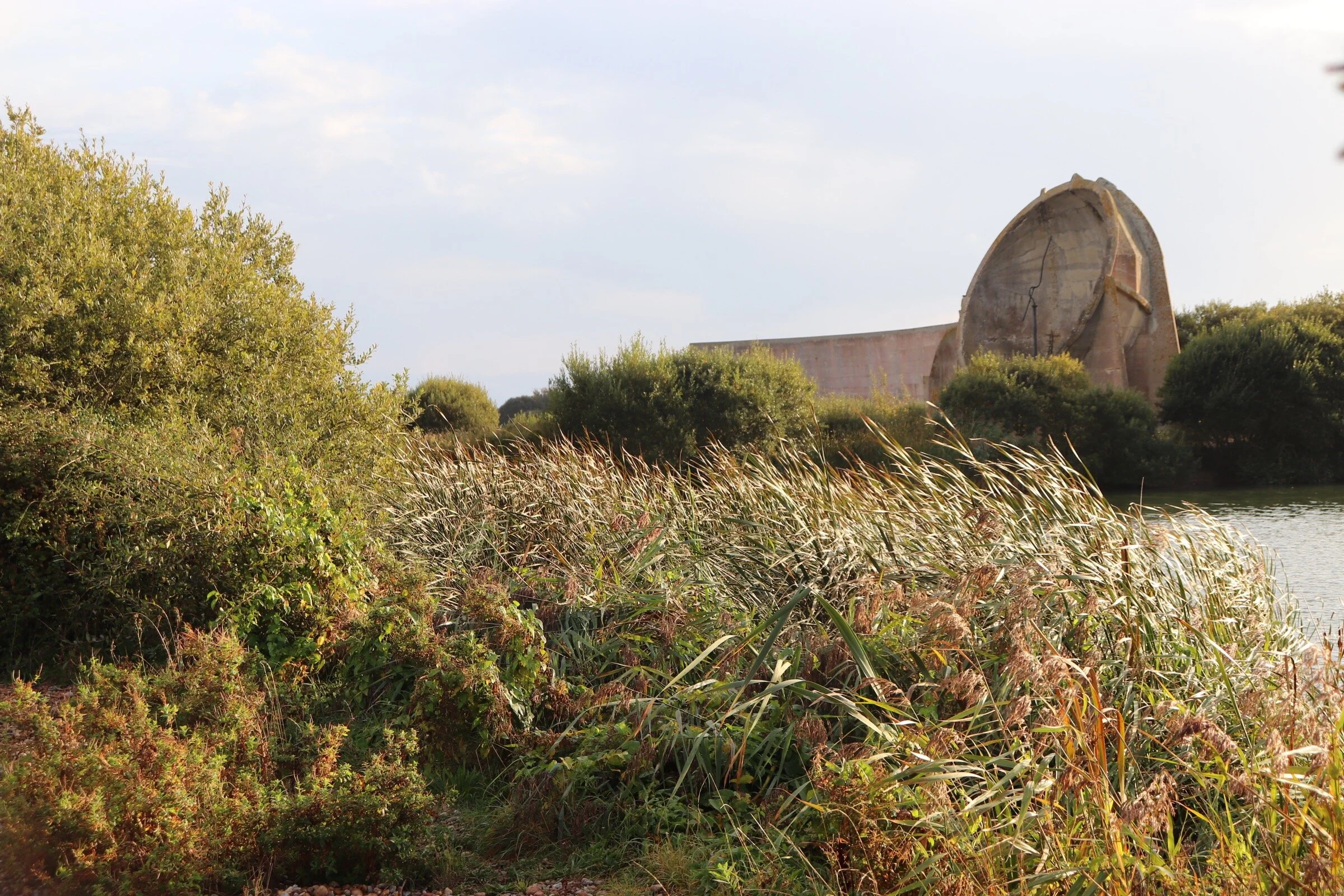
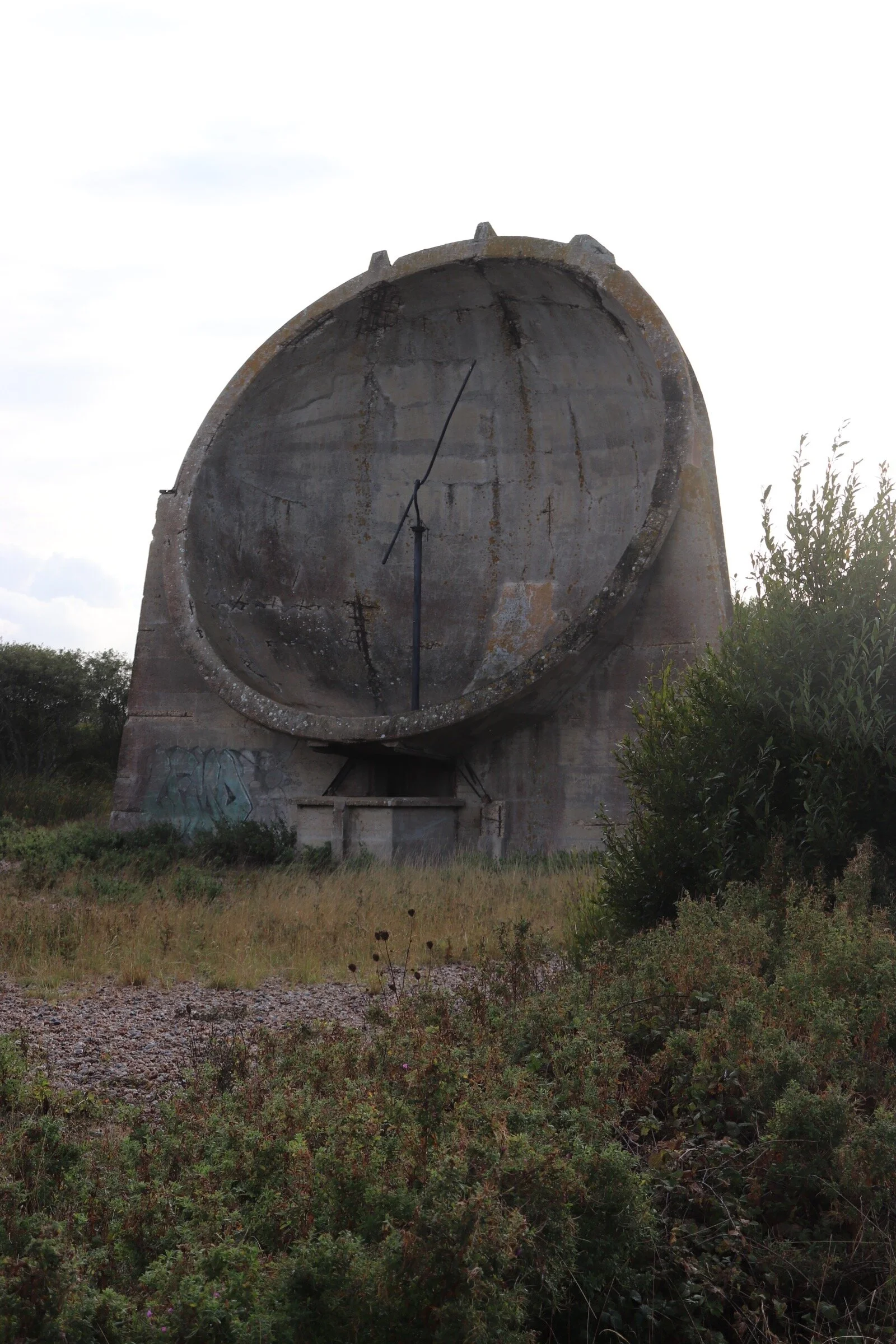
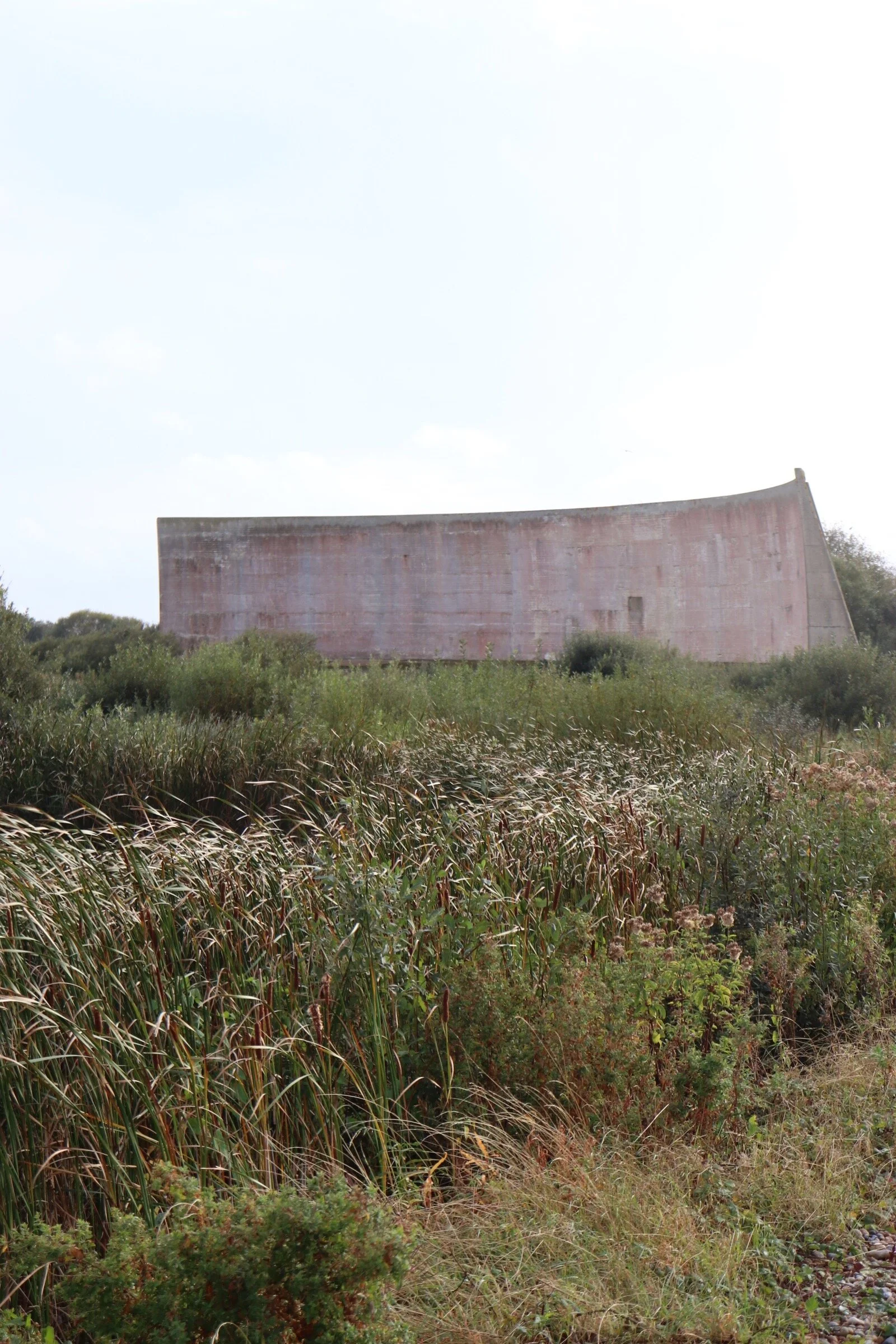
Nearby, the Sound Mirrors, large concrete acoustic structures built in the early 20th century, stand as isolated forms within the landscape. Originally designed to detect incoming aircraft, they are now functionless. Their scale and geometry remain striking, but their purpose has receded. They operate as a reminder that infrastructure, once obsolete, becomes something else: an object to be interpreted rather than used.
A coastal condition
Across both locations, the consistent feature is a lack of overt intervention. The coast is not presented as a designed environment, but as a series of conditions shaped over time, by use, exposure, and gradual change. For a designer, this offers a different kind of reference point. Not a model to replicate, but a way of understanding how materials, structures, and systems behave outside controlled settings.
An incomplete route
The original plan extended further, Margate, Deal, and additional sites, but the reduced journey proved sufficient. It allowed for closer attention. Not to landmarks, but to the relationships between objects, surfaces, and place.