On Copenhagen
Copenhagen is often described as a “design city”, but the phrase feels reductive. What distinguishes it is not the presence of design, but its integration into ordinary life. Systems, spaces, and objects are resolved to a point where they no longer announce themselves. They simply work.
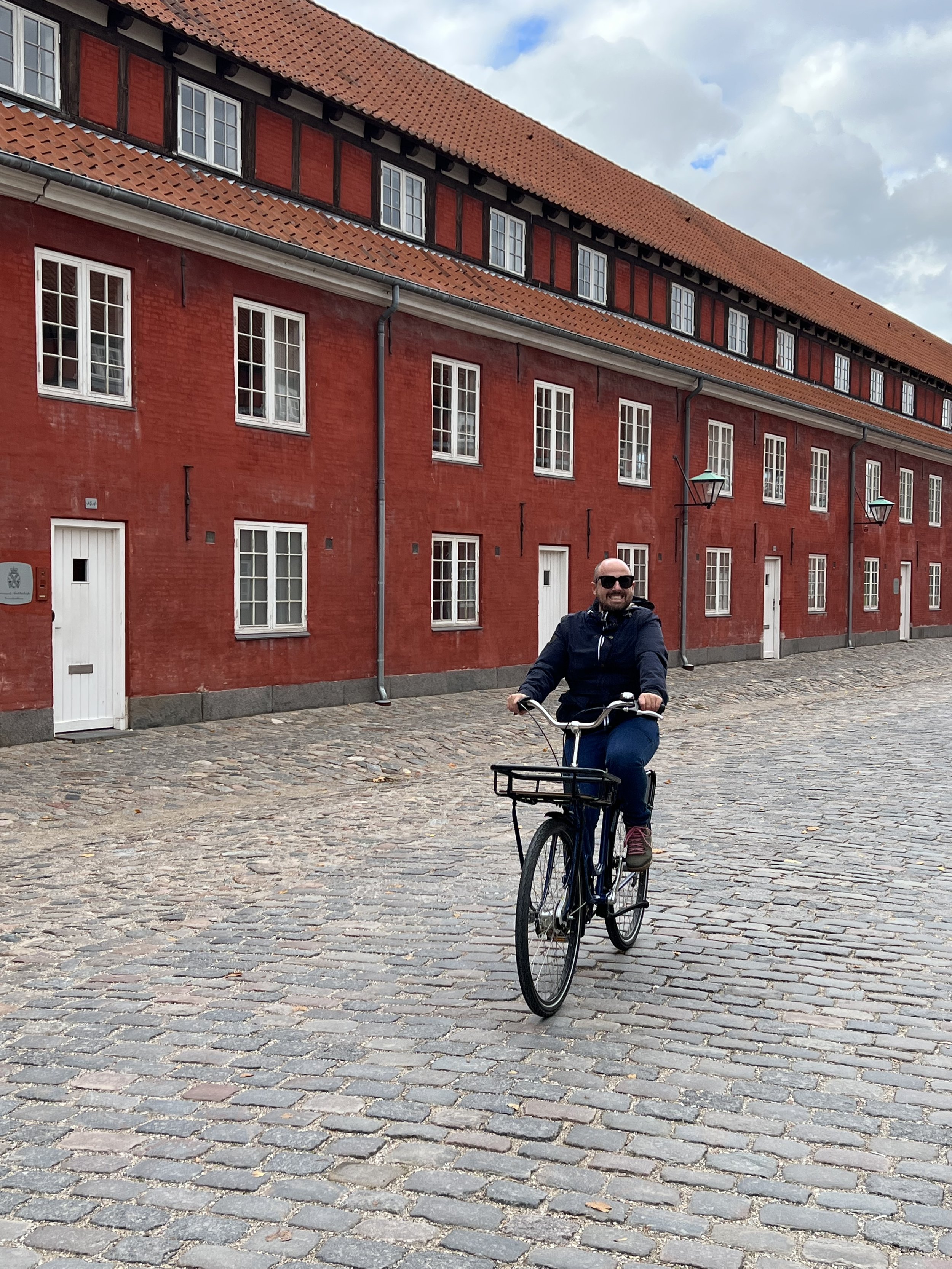
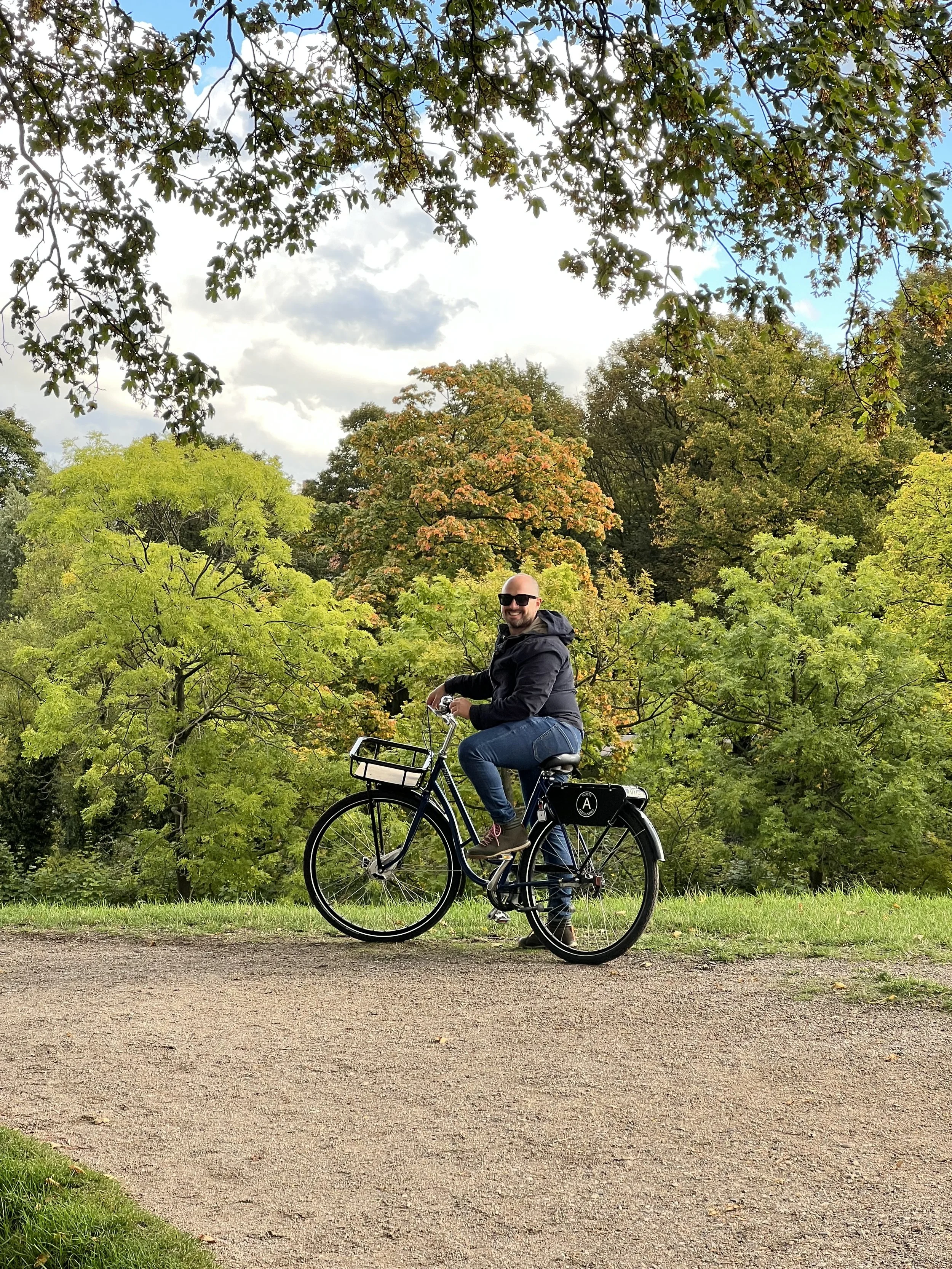
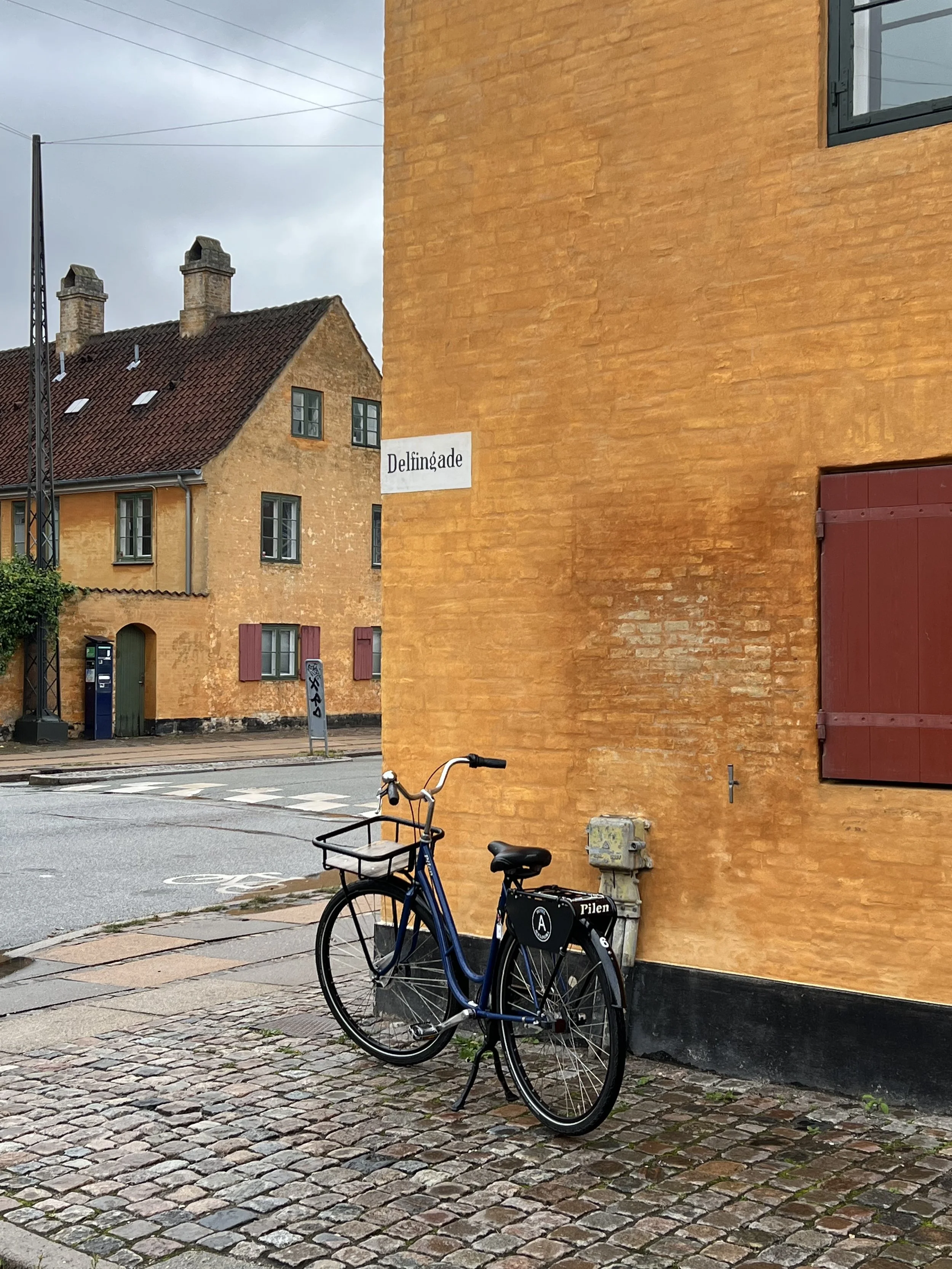
The experience begins, inevitably, on a bicycle.
Movement as infrastructure
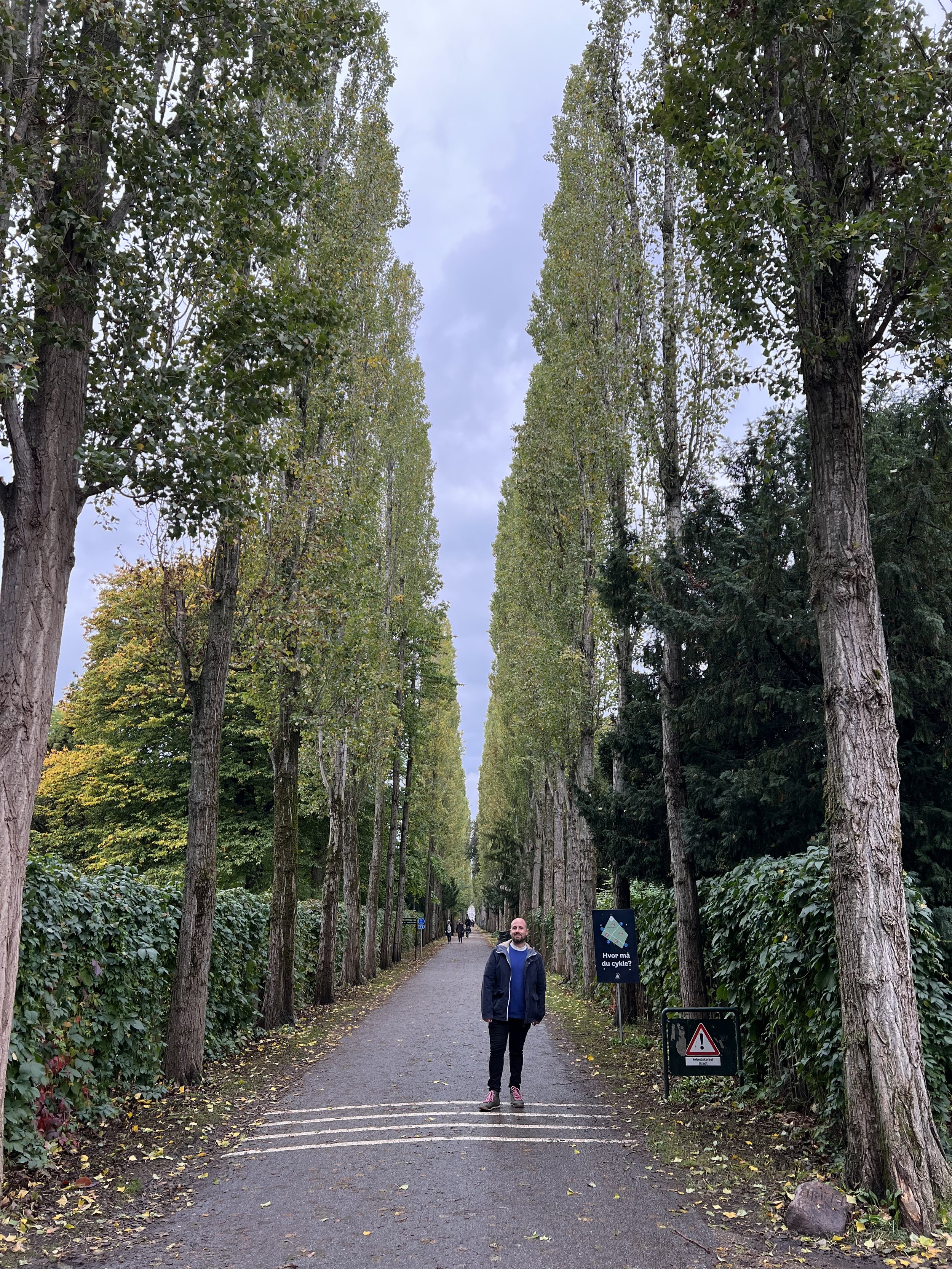
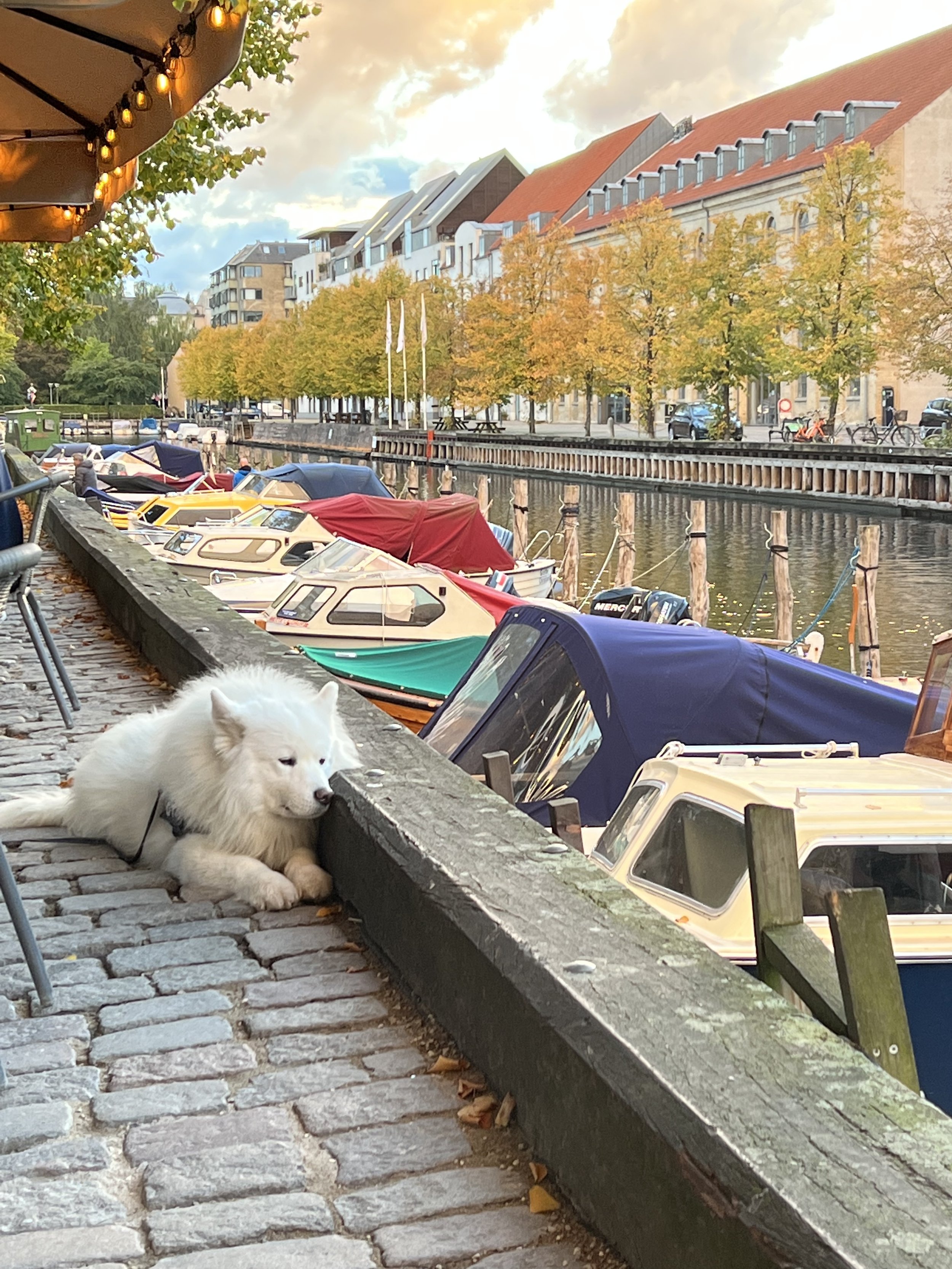
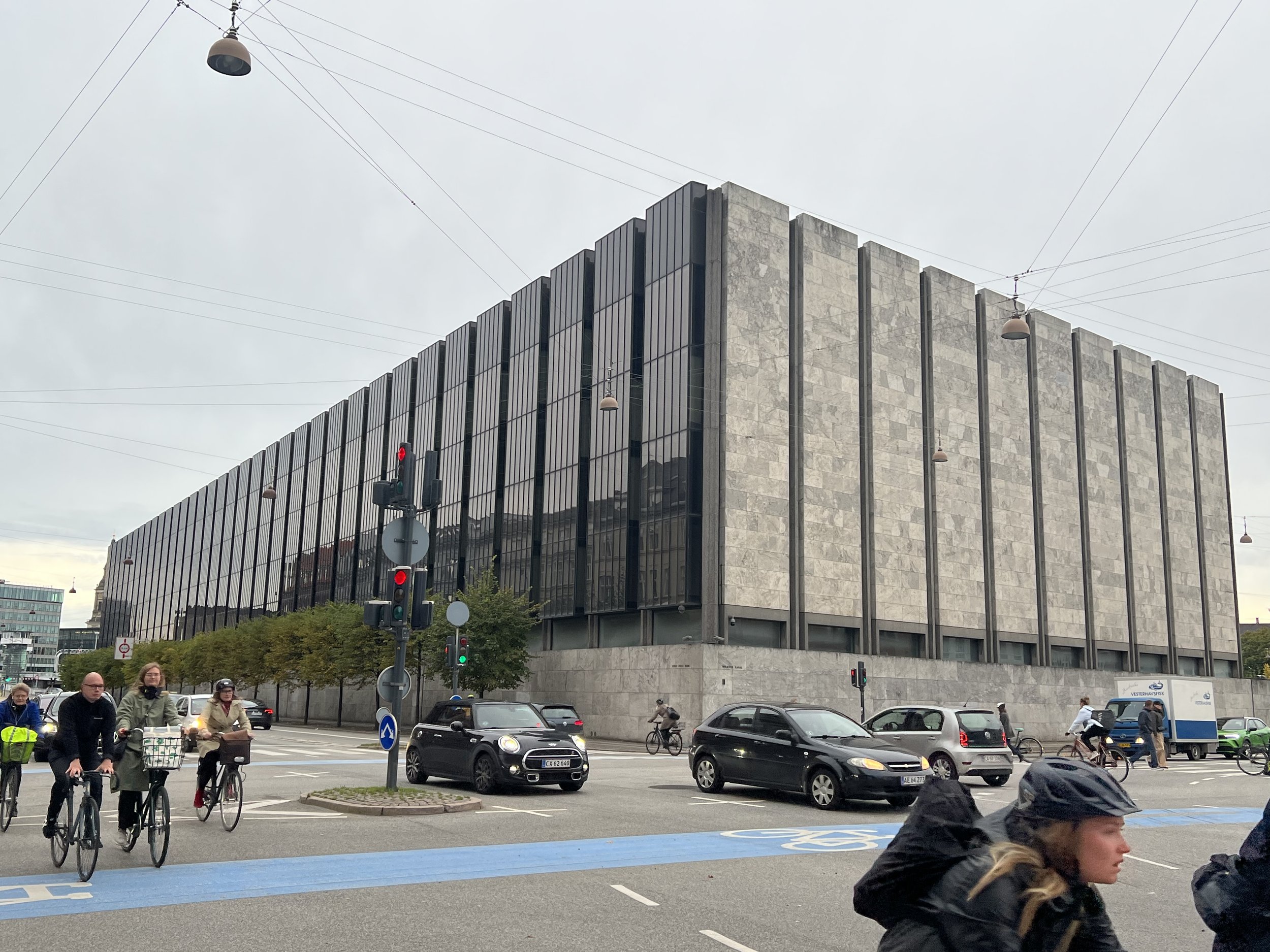
Cycling in Copenhagen is not a lifestyle choice so much as a default condition. The infrastructure is precise and unambiguous: lanes are clearly defined, separated from both pedestrians and traffic, and maintained with a consistency that removes hesitation. What is striking is not novelty, but normality. The system is so well resolved that it becomes unremarkable. Commuters move quickly and without friction, not because they are particularly committed, but because the city allows them to.
It is a reminder that design is most effective when it recedes.
Bread, space, and routine
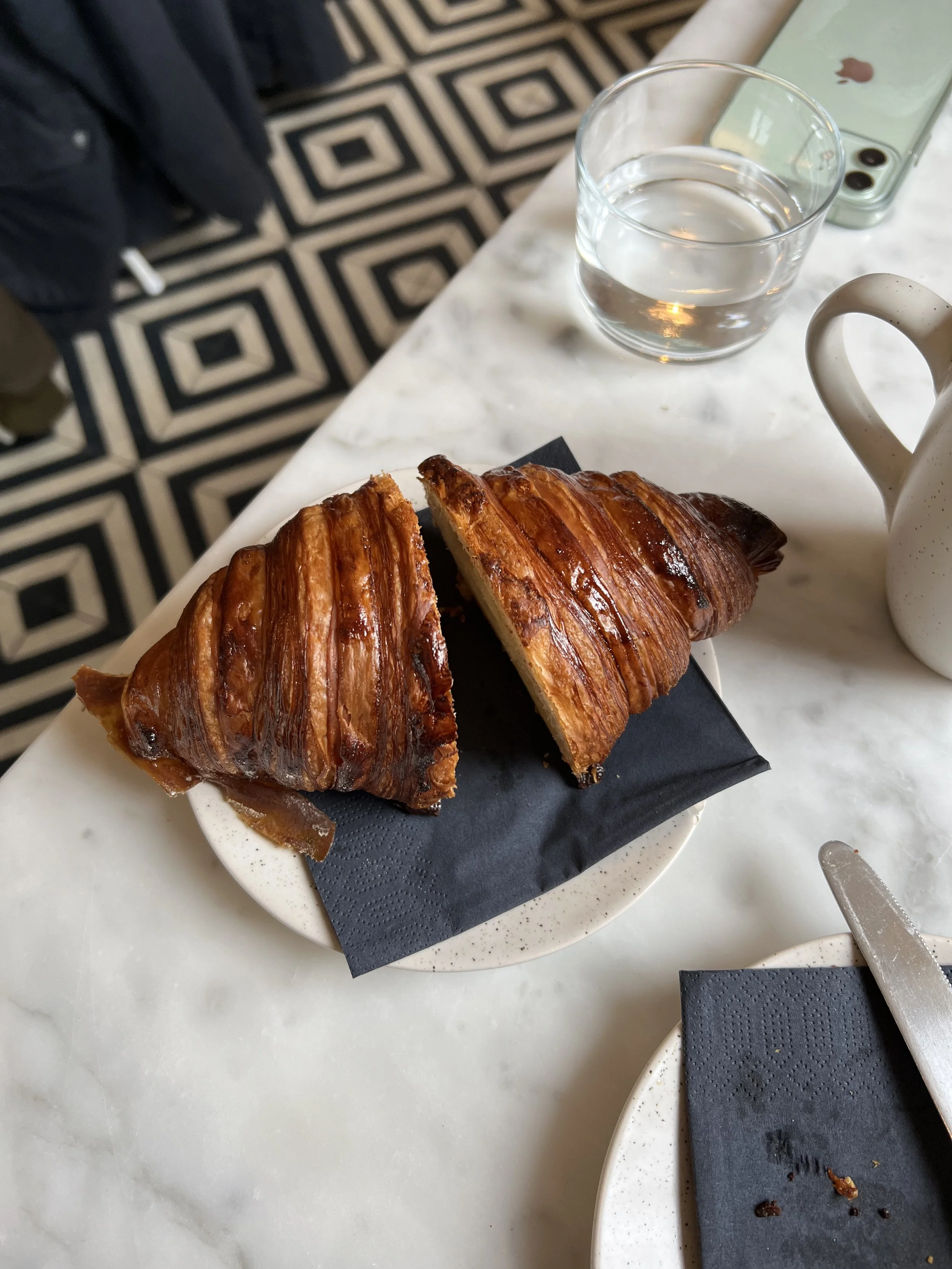
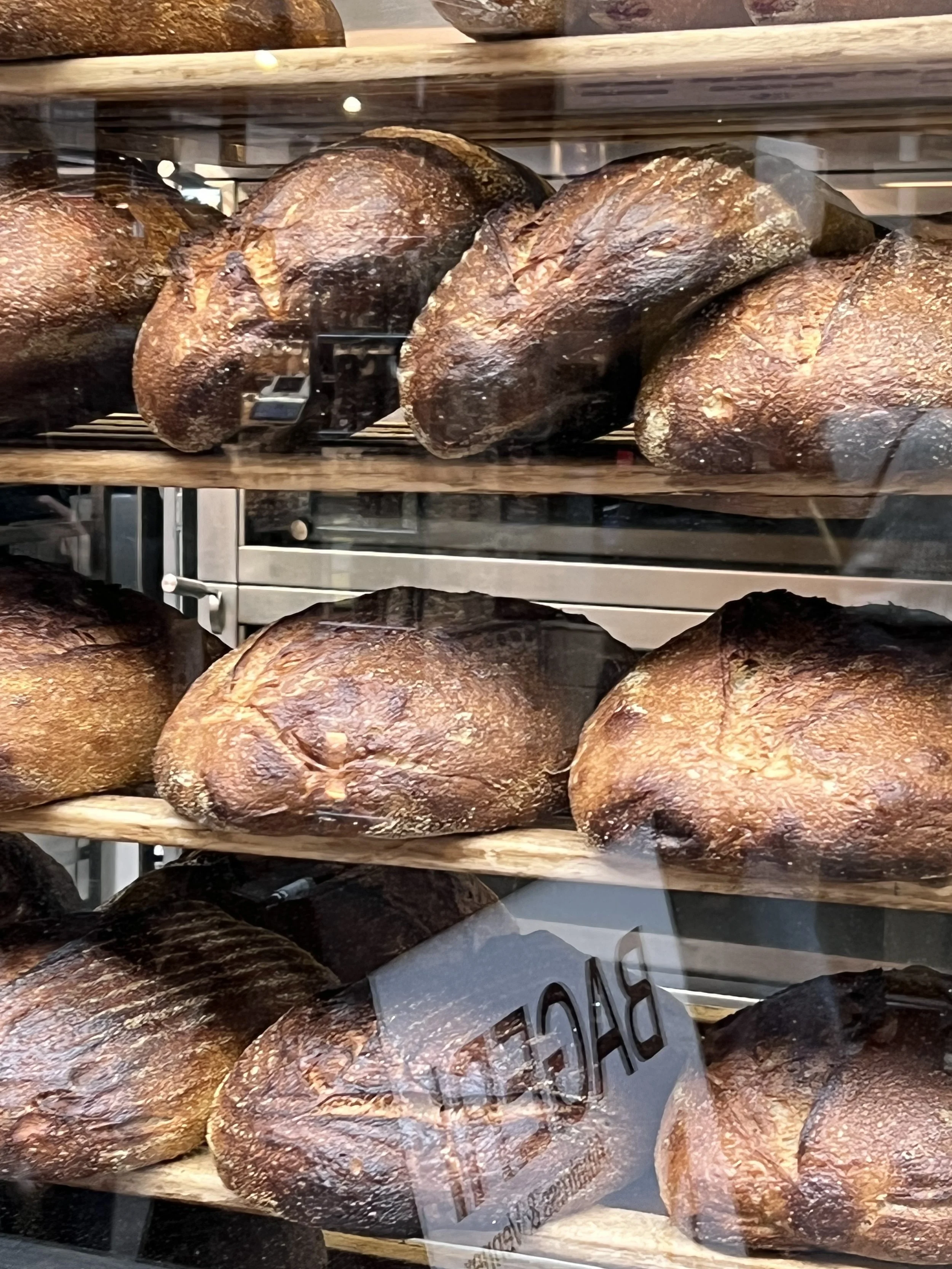
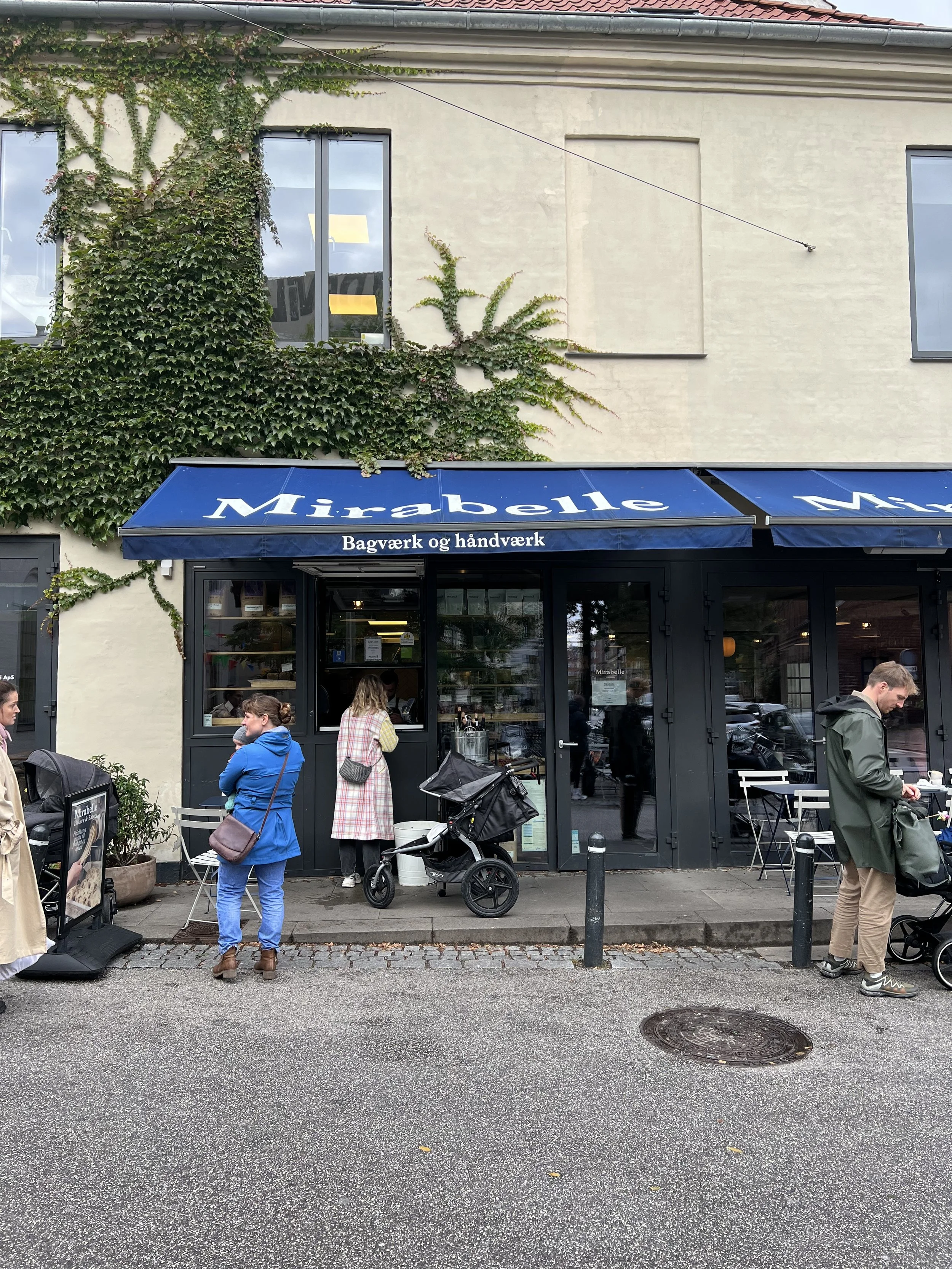
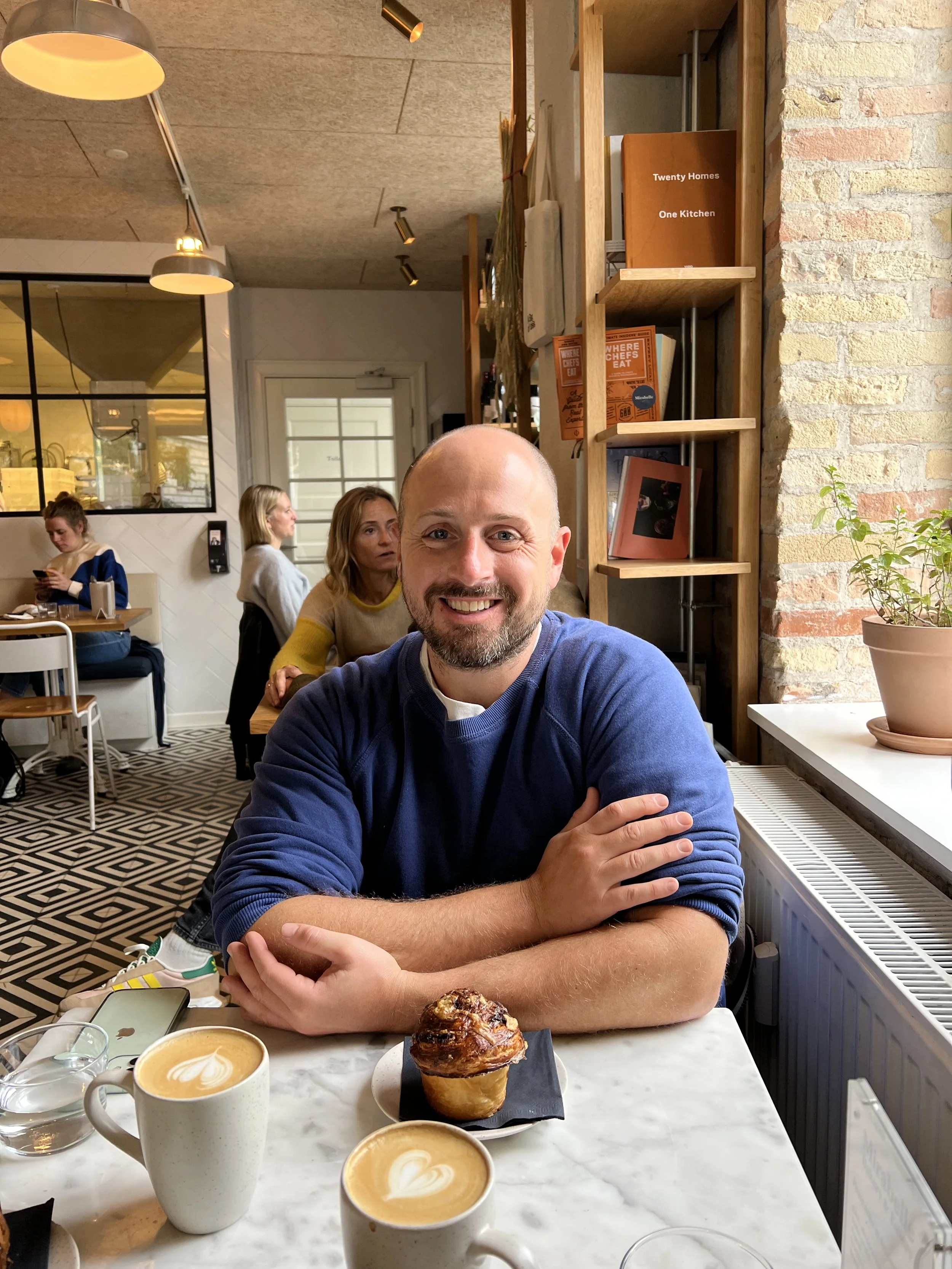
At Mirabelle Bakery, the focus is sourdough, but the experience extends beyond the product itself.
The bakery is organised with clarity. Production is visible. Materials are left largely unmediated. There is little attempt to aestheticise the space beyond what is necessary. What emerges is not a “designed interior”, but a working environment that has been considered carefully enough to feel complete. The rituals of baking—mixing, proving, cutting—become part of the atmosphere.
It suggests that everyday actions, when properly supported, carry their own form of beauty.
Retail as curation
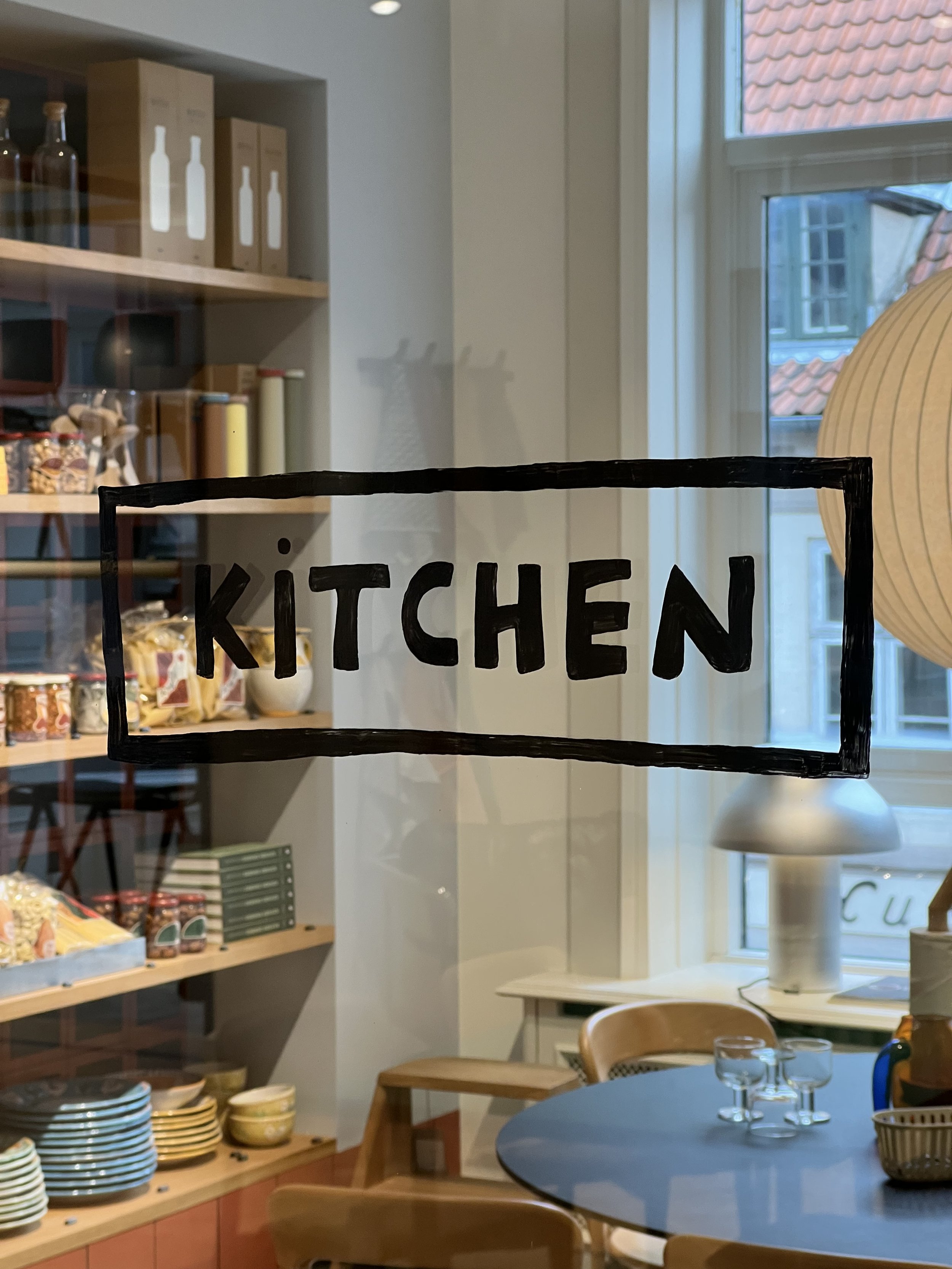
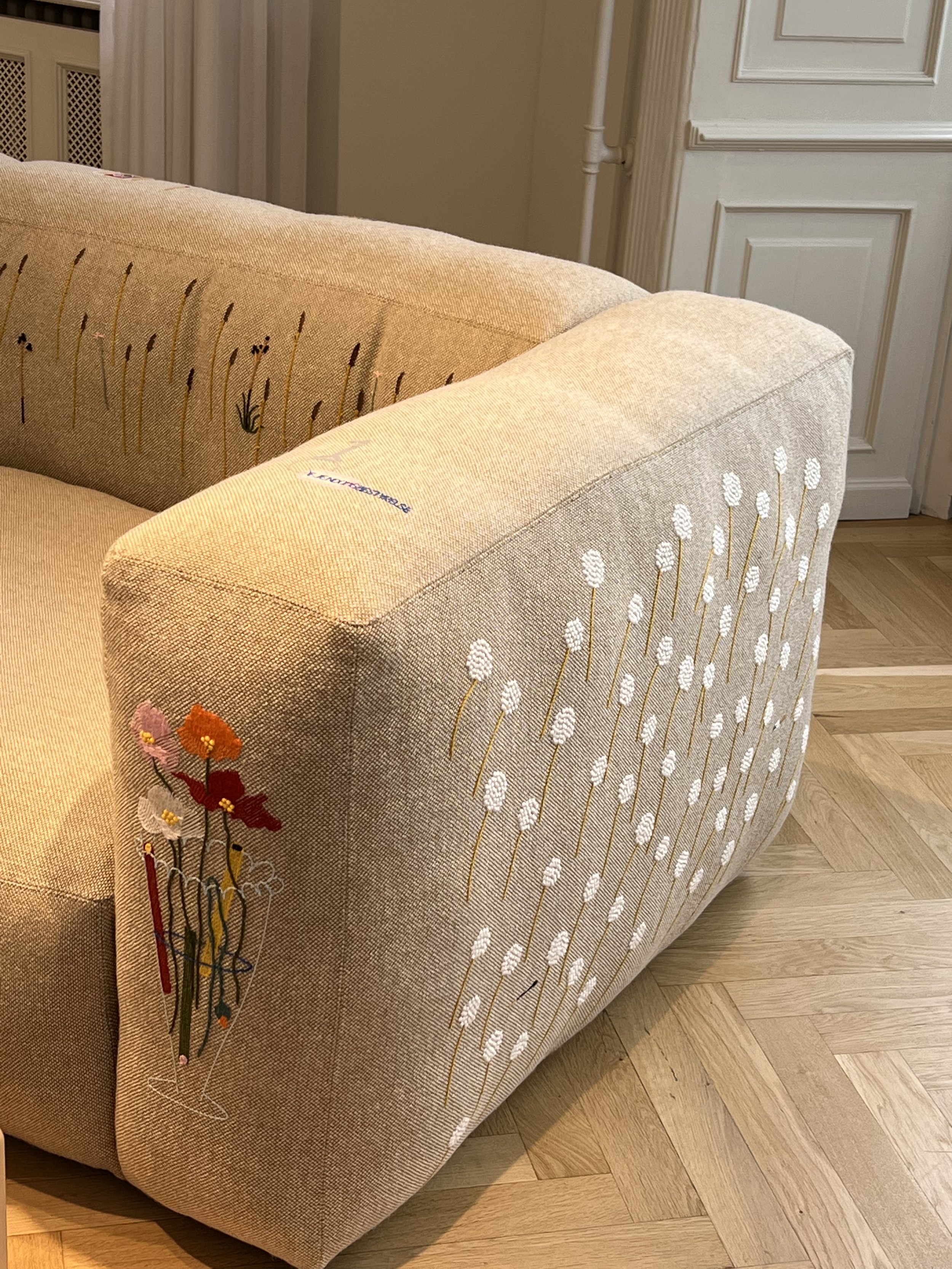
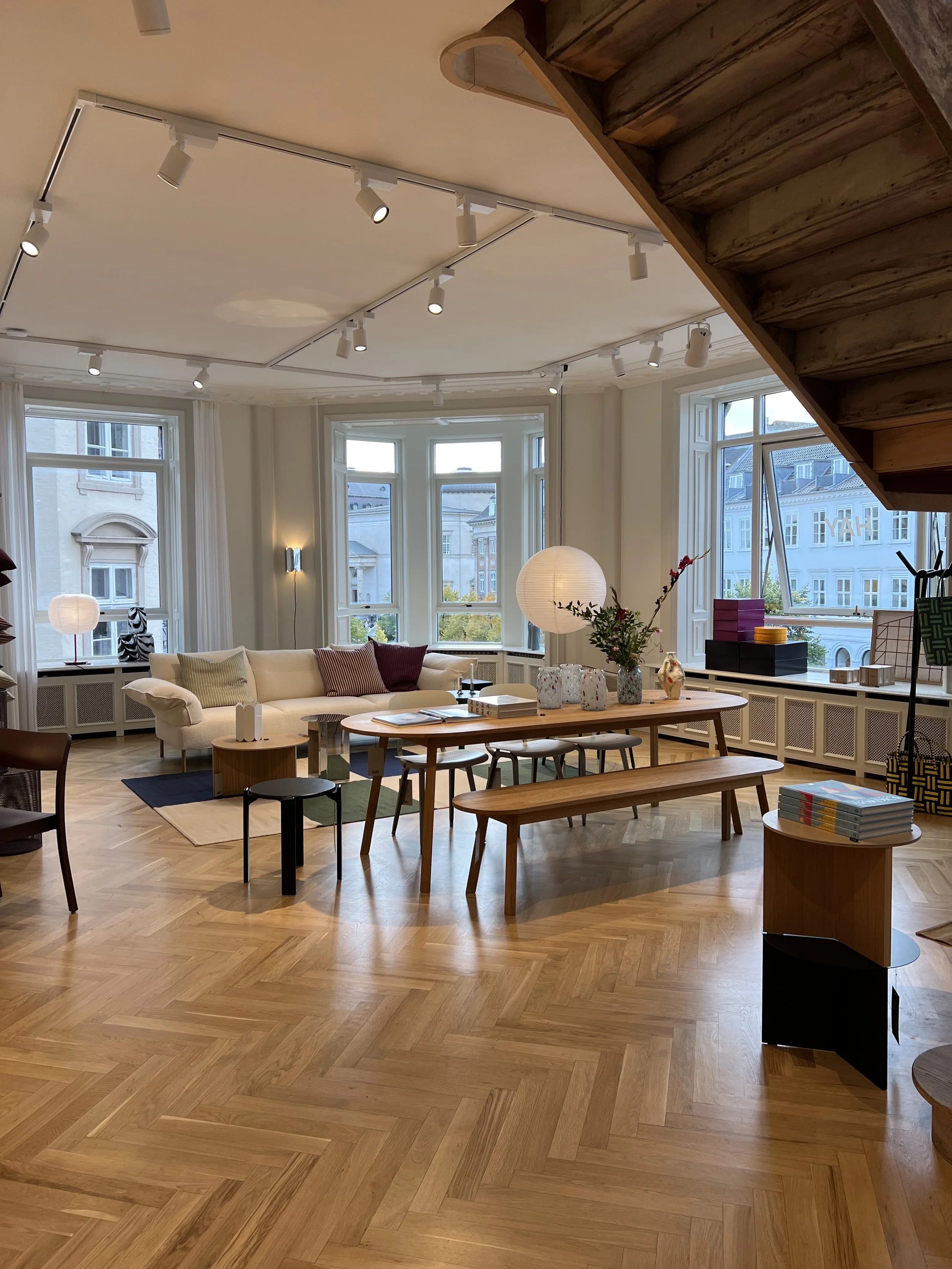
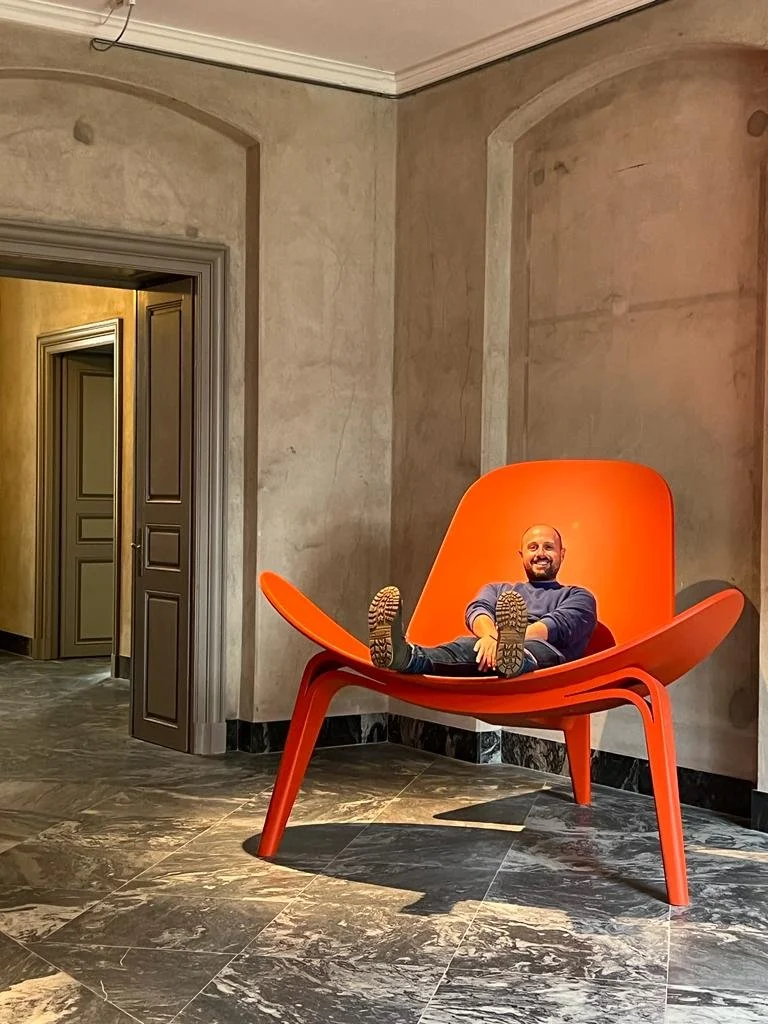
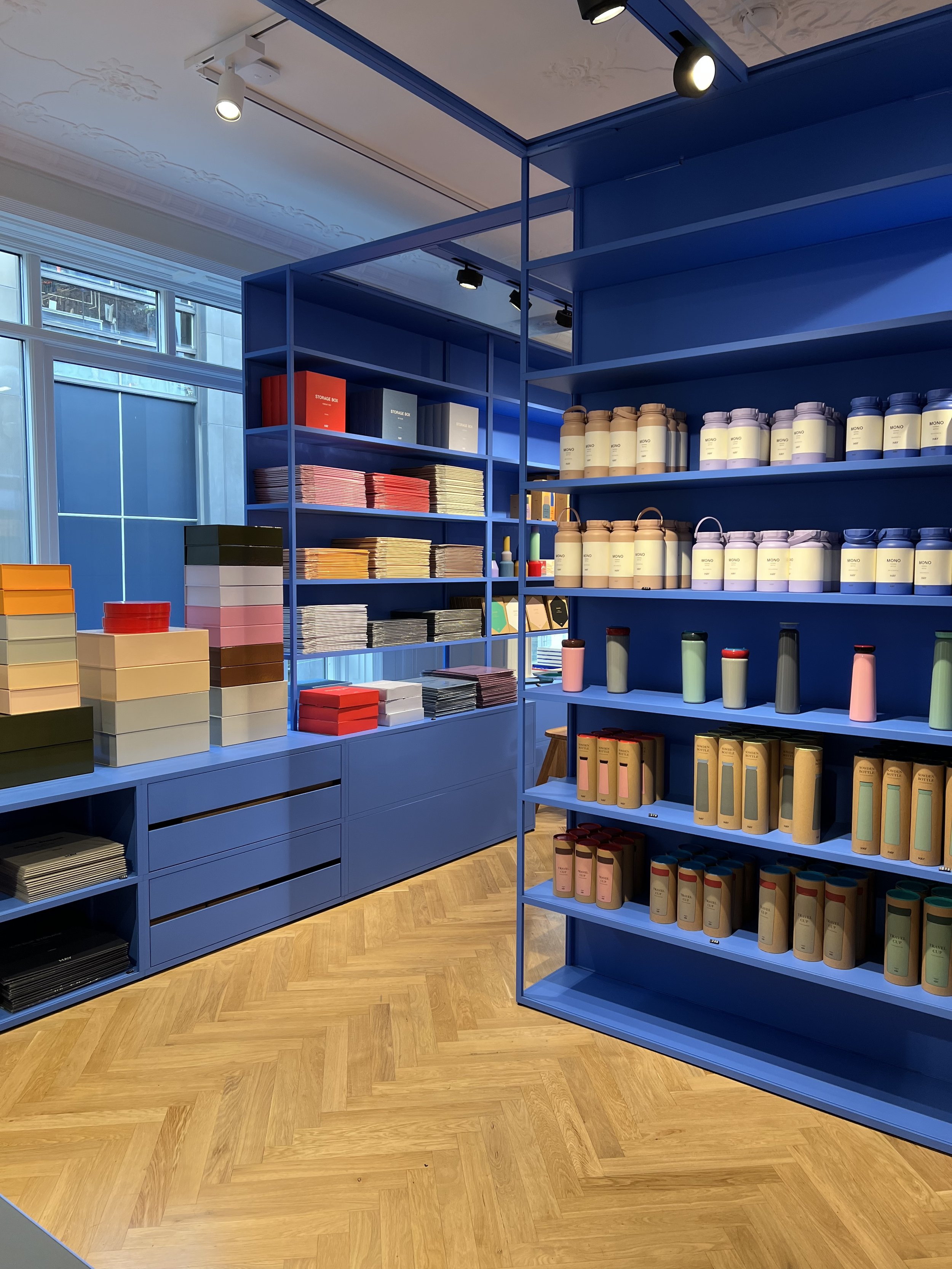
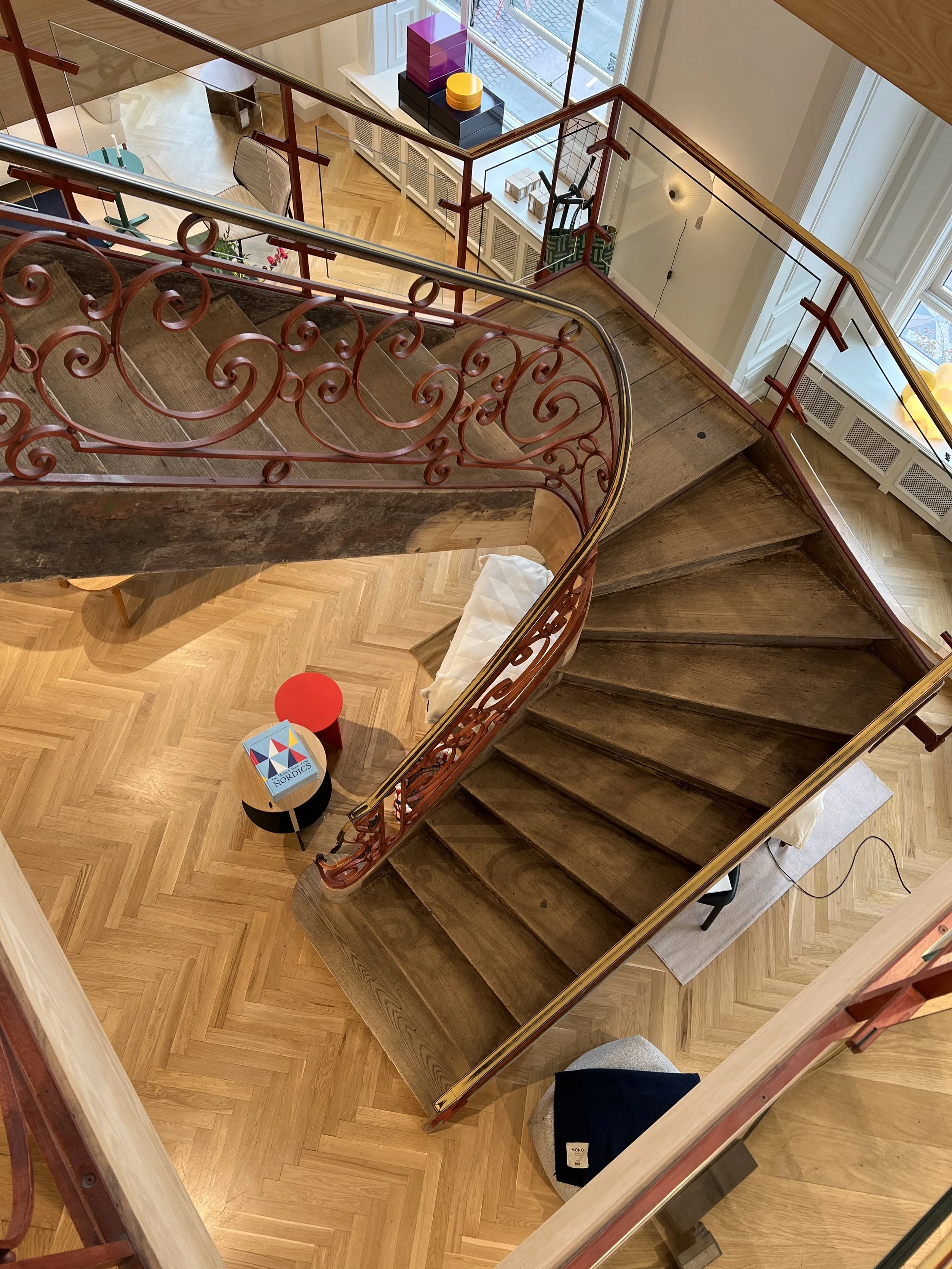
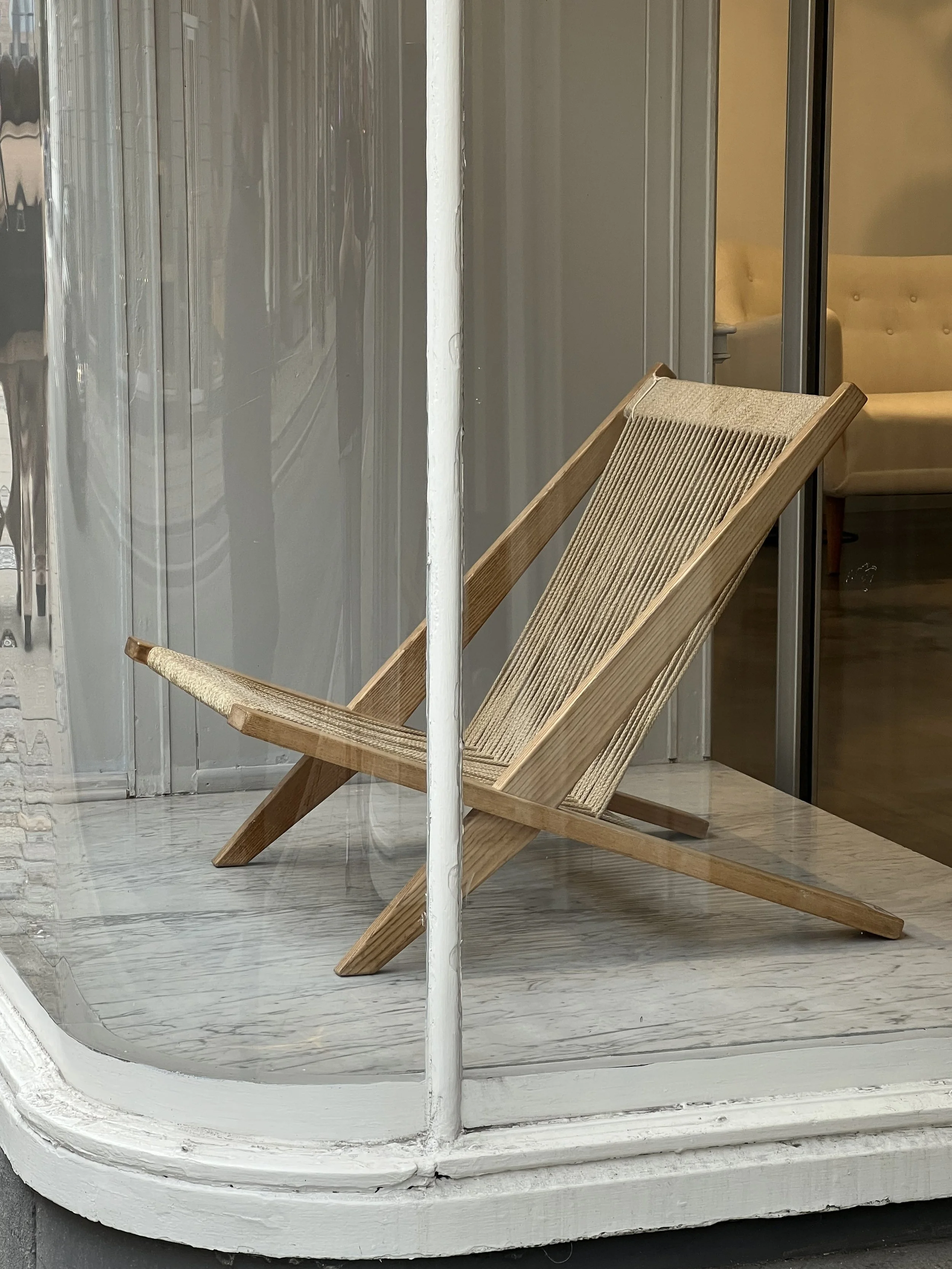
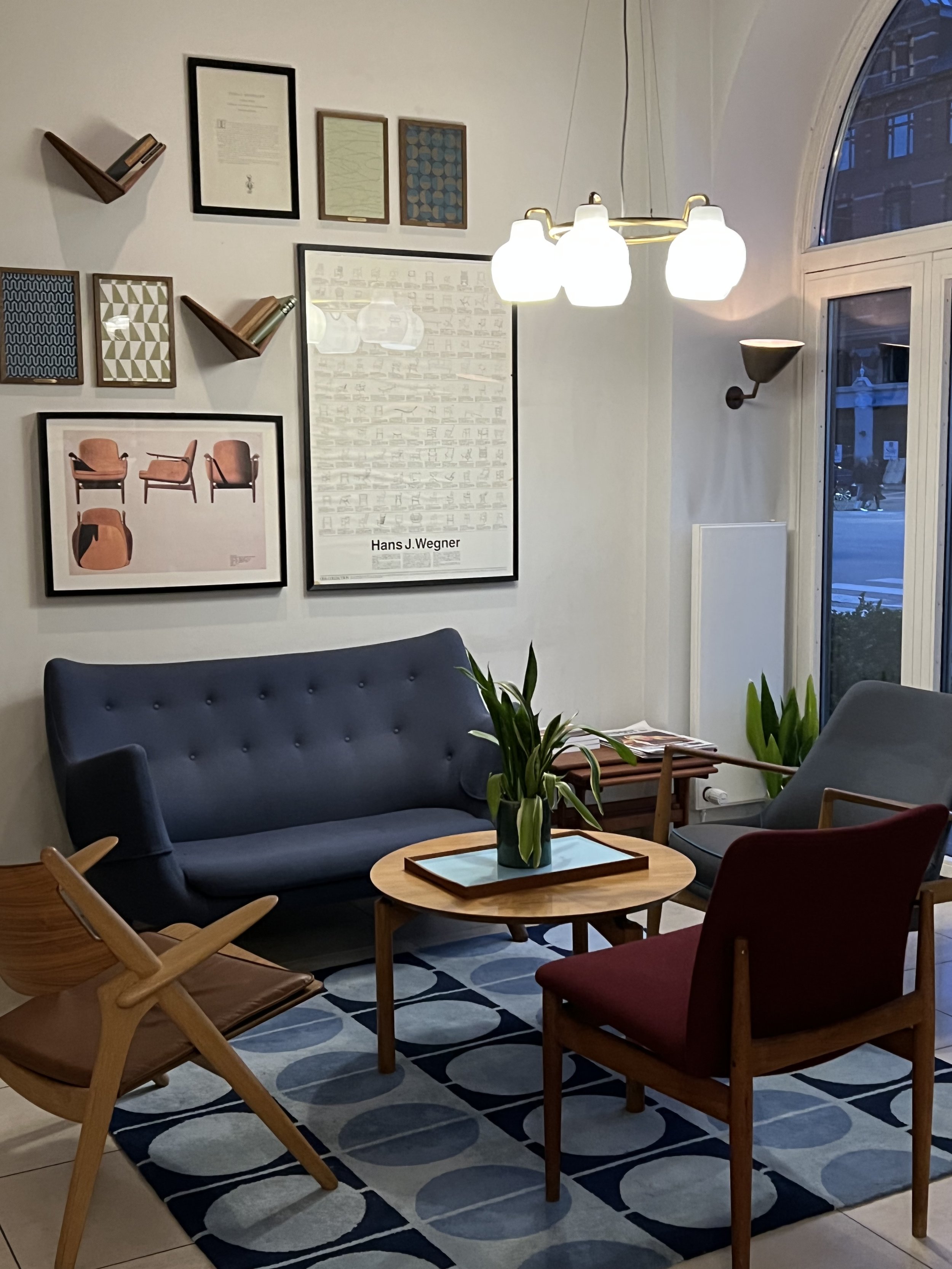
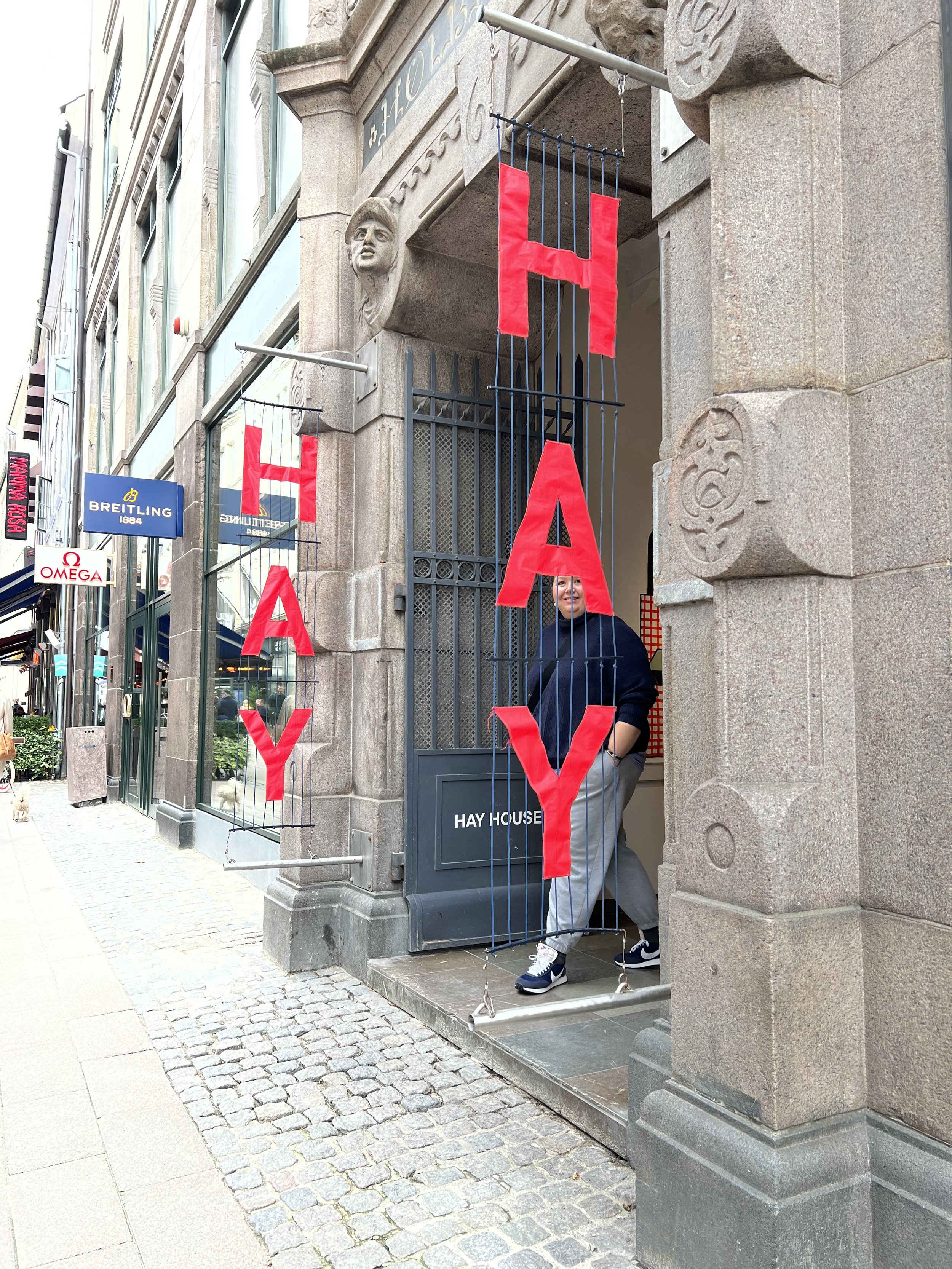
HAY House presents a different condition: retail as composition.
Set within a historic building, the store moves across a series of rooms, each defined by colour, arrangement, and contrast. Objects are grouped with a lightness of touch, neither overly styled nor left entirely neutral. There is a sense of control, but also of play. The combinations are deliberate, yet not rigid. It reflects a particular strand of Danish design thinking: one that values clarity, but allows for variation within it.
The museum as a framework
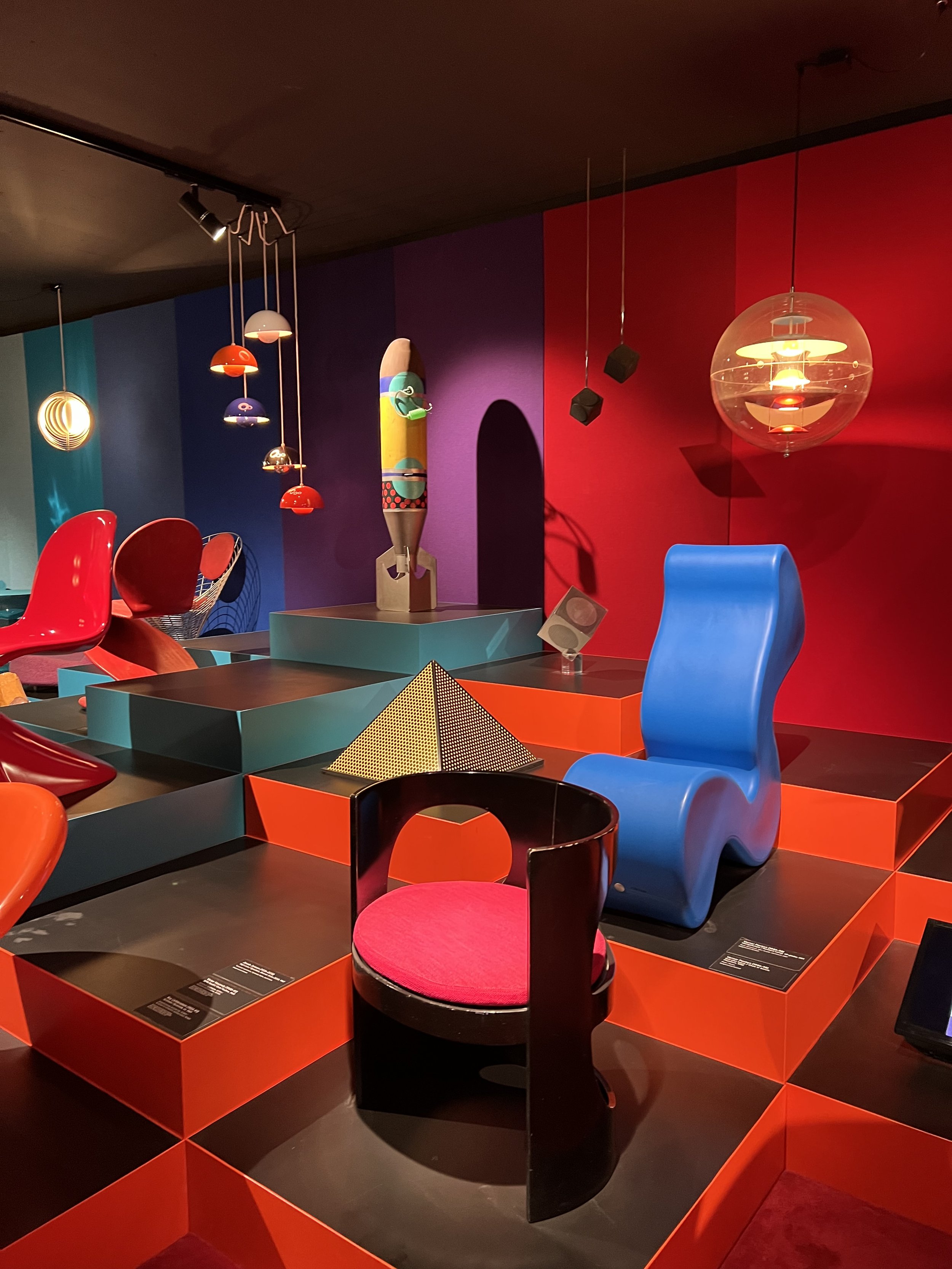
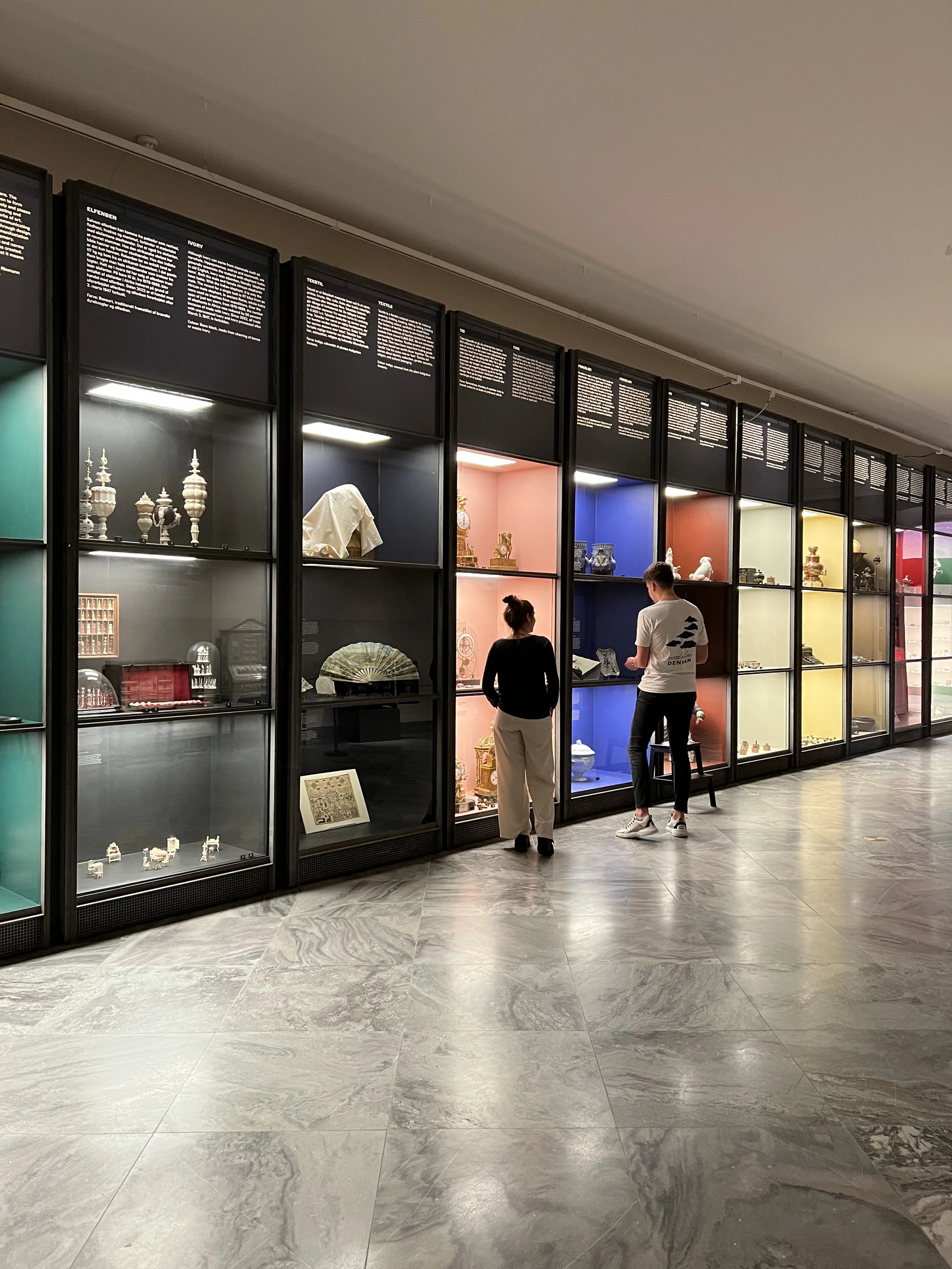
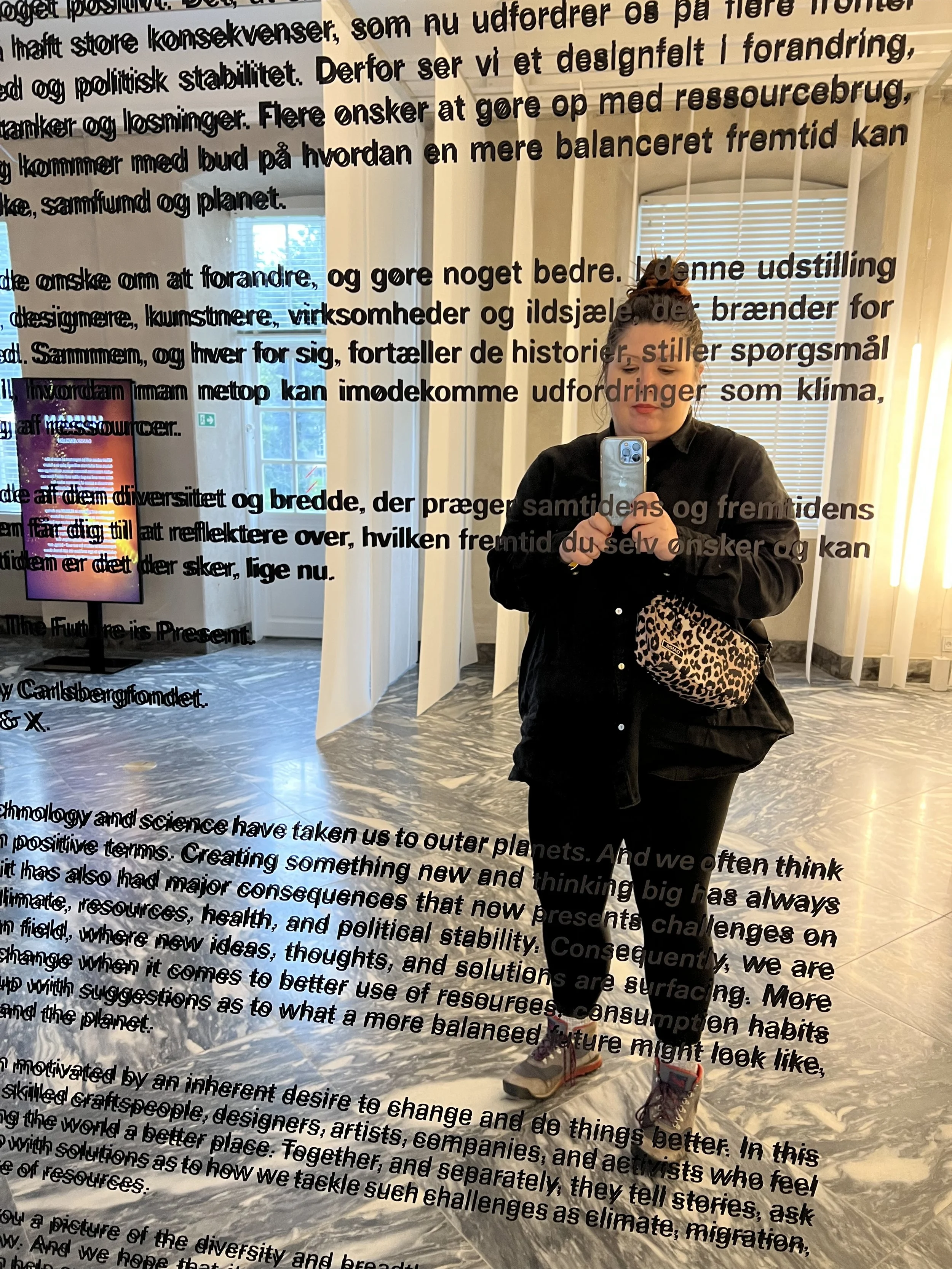
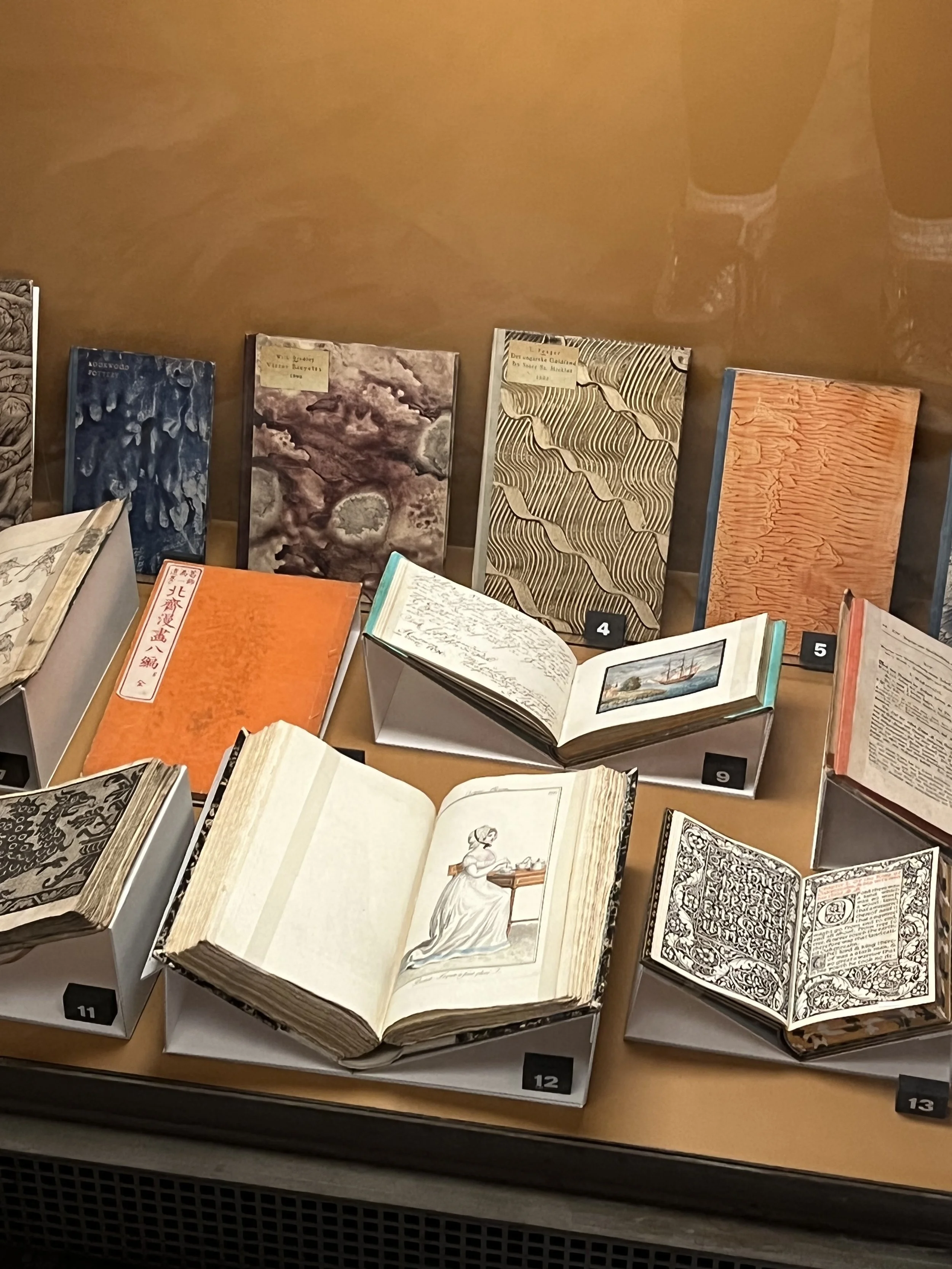
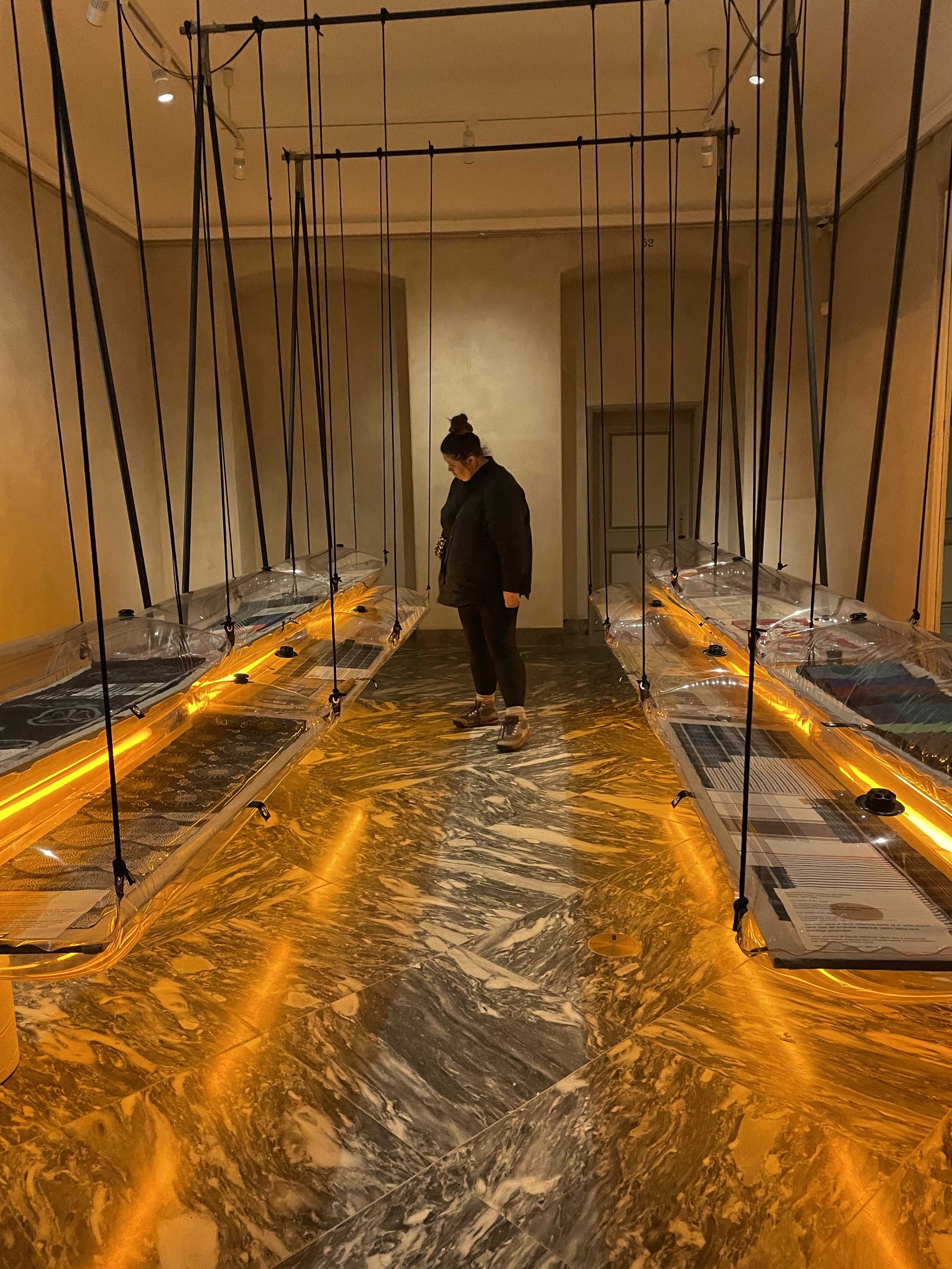
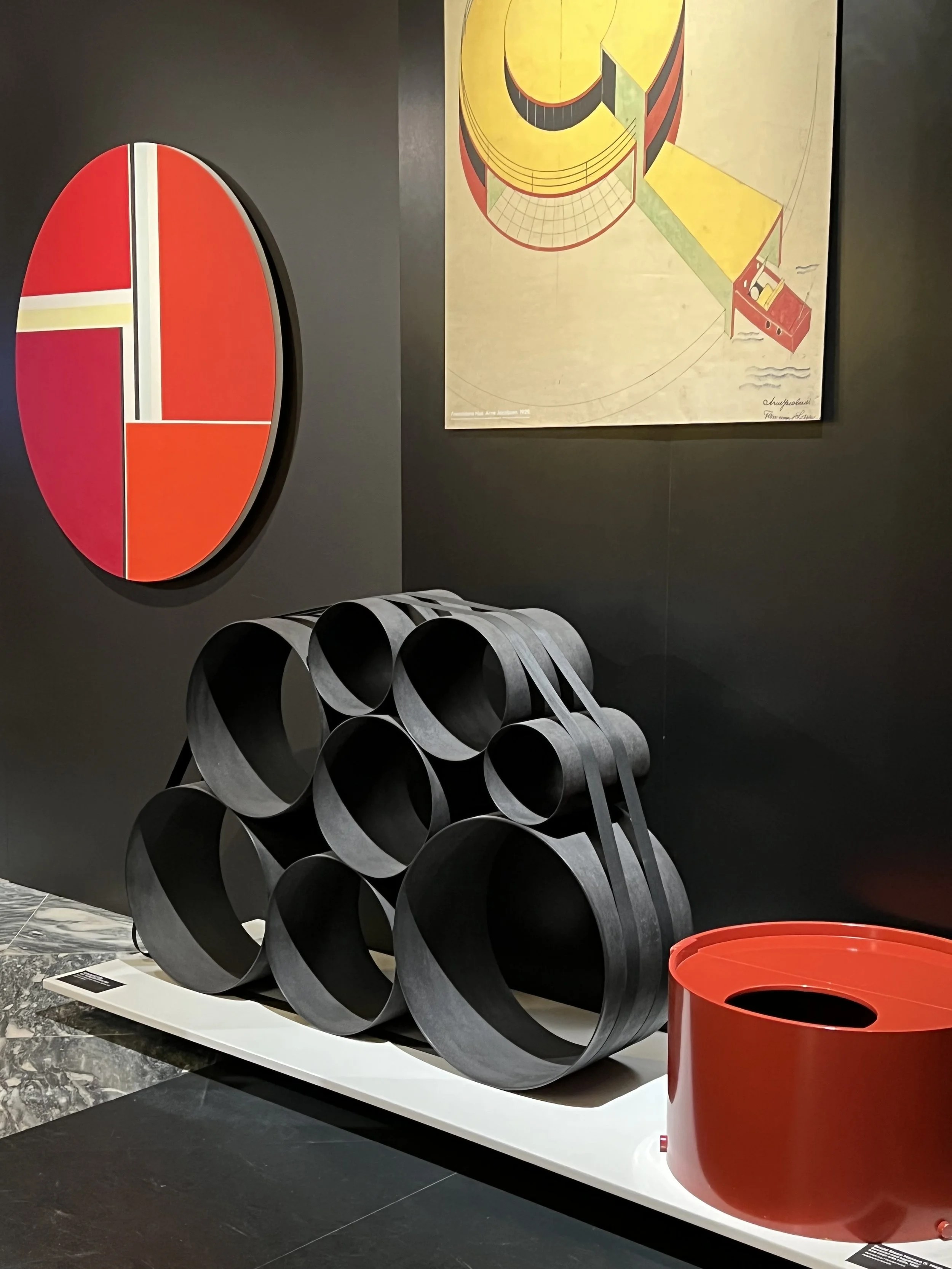
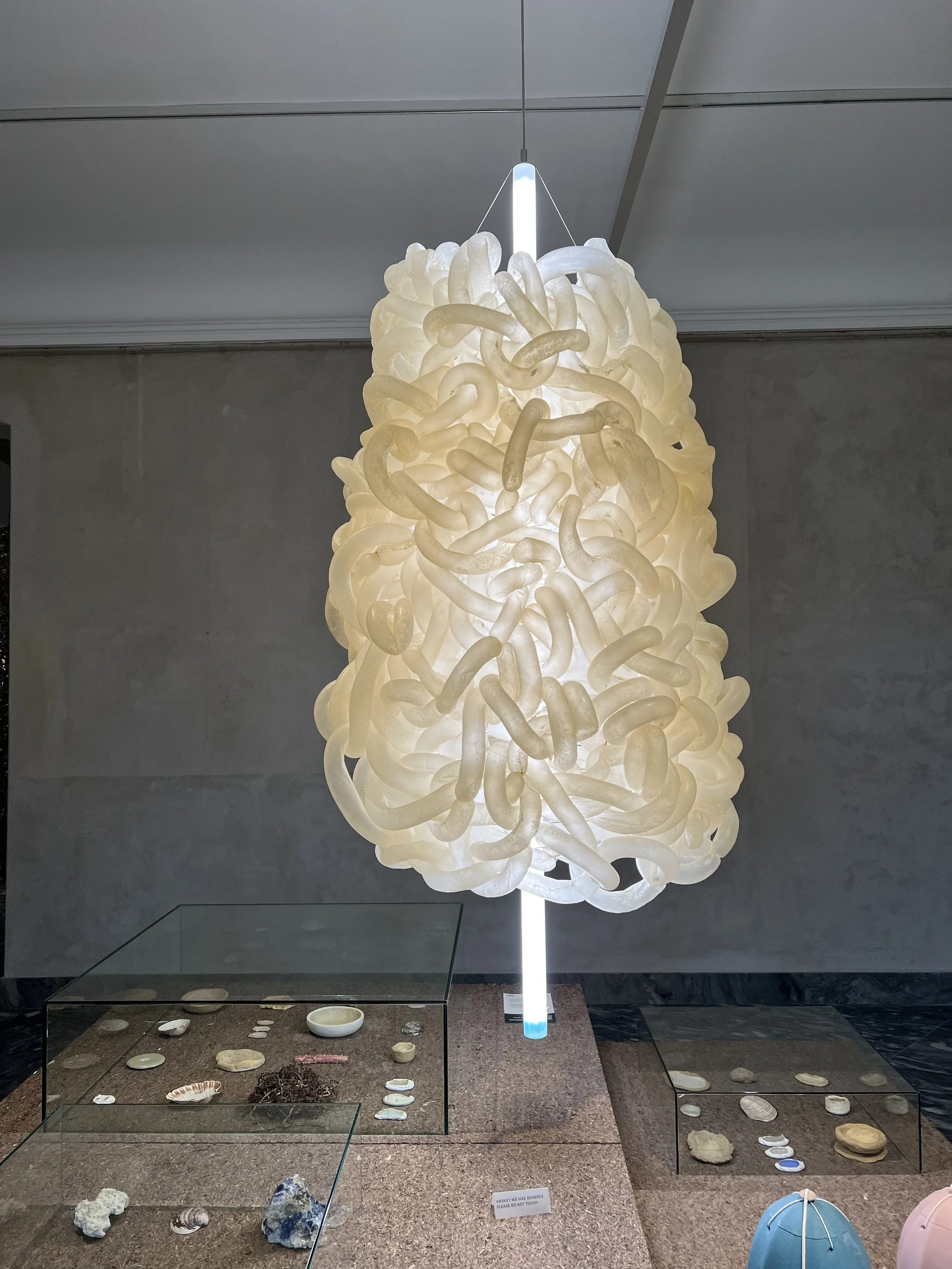
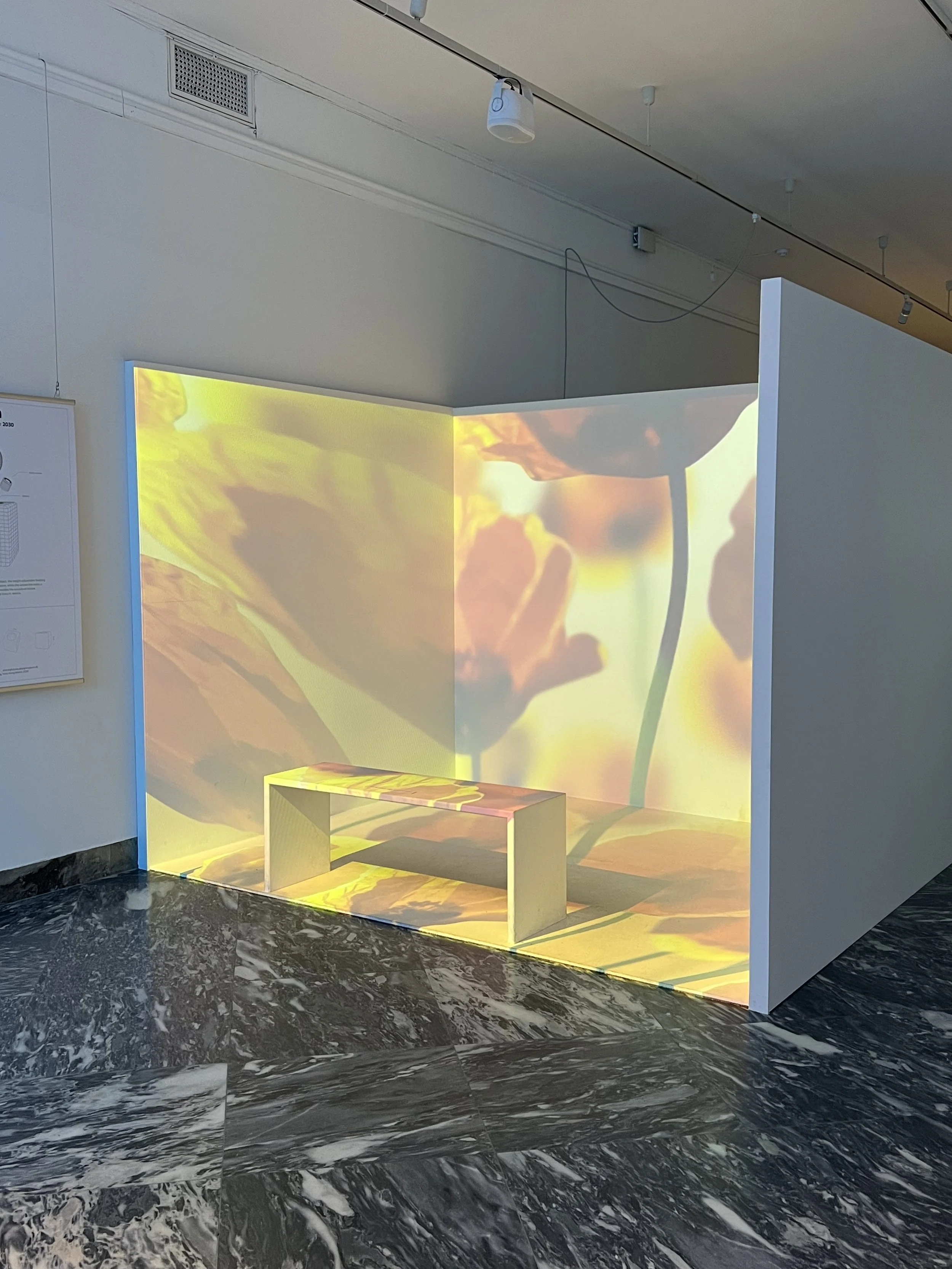
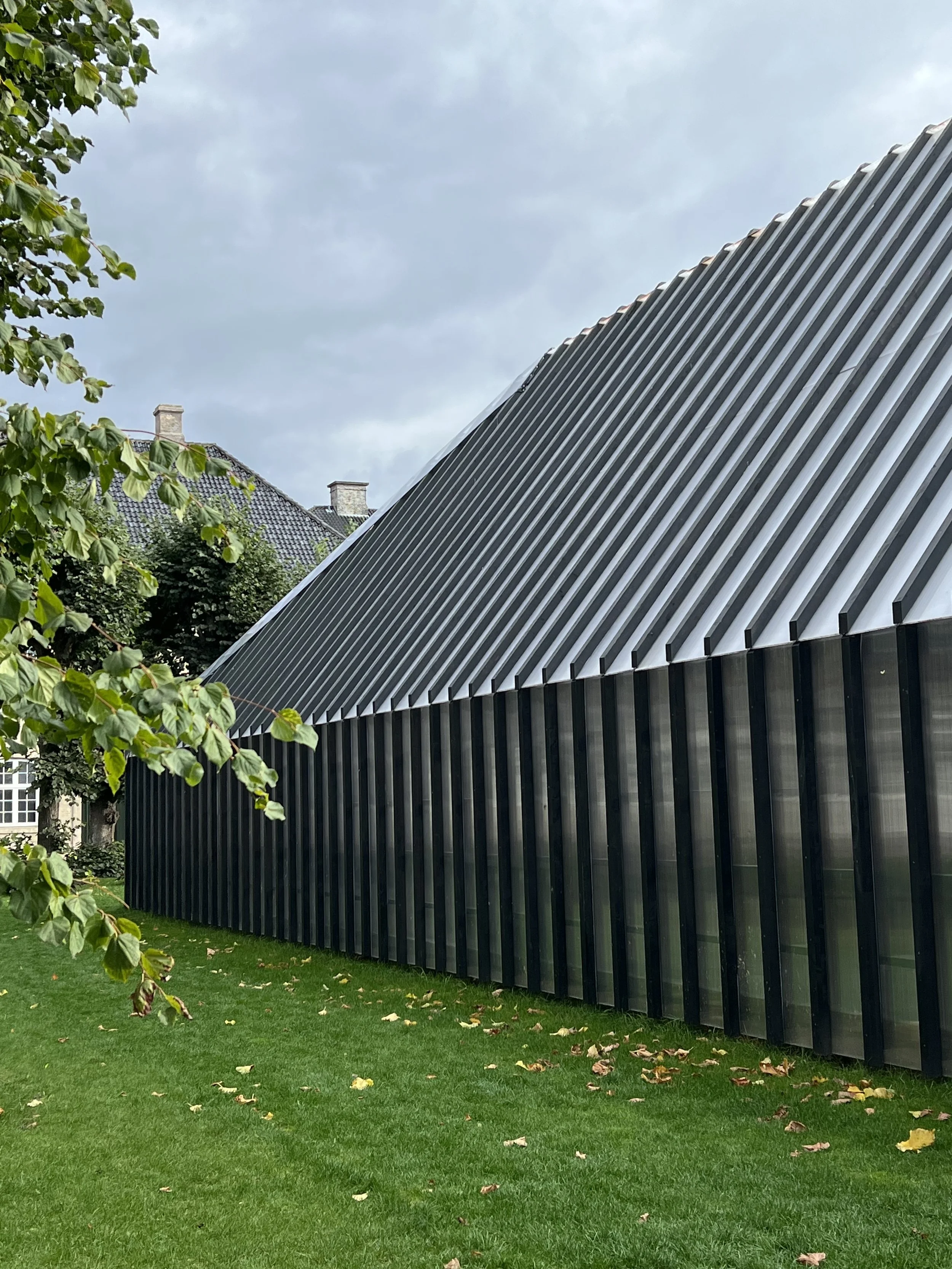
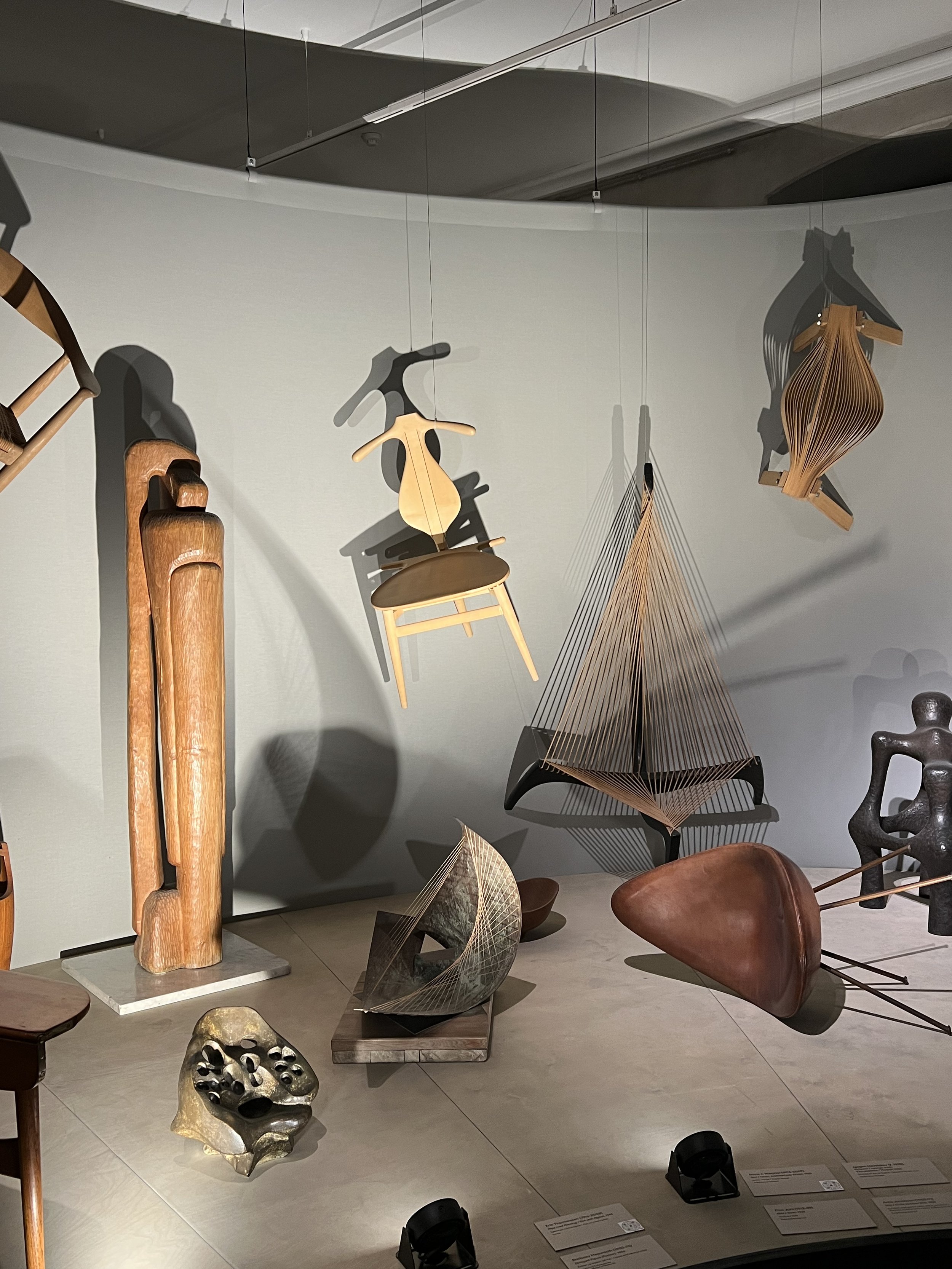
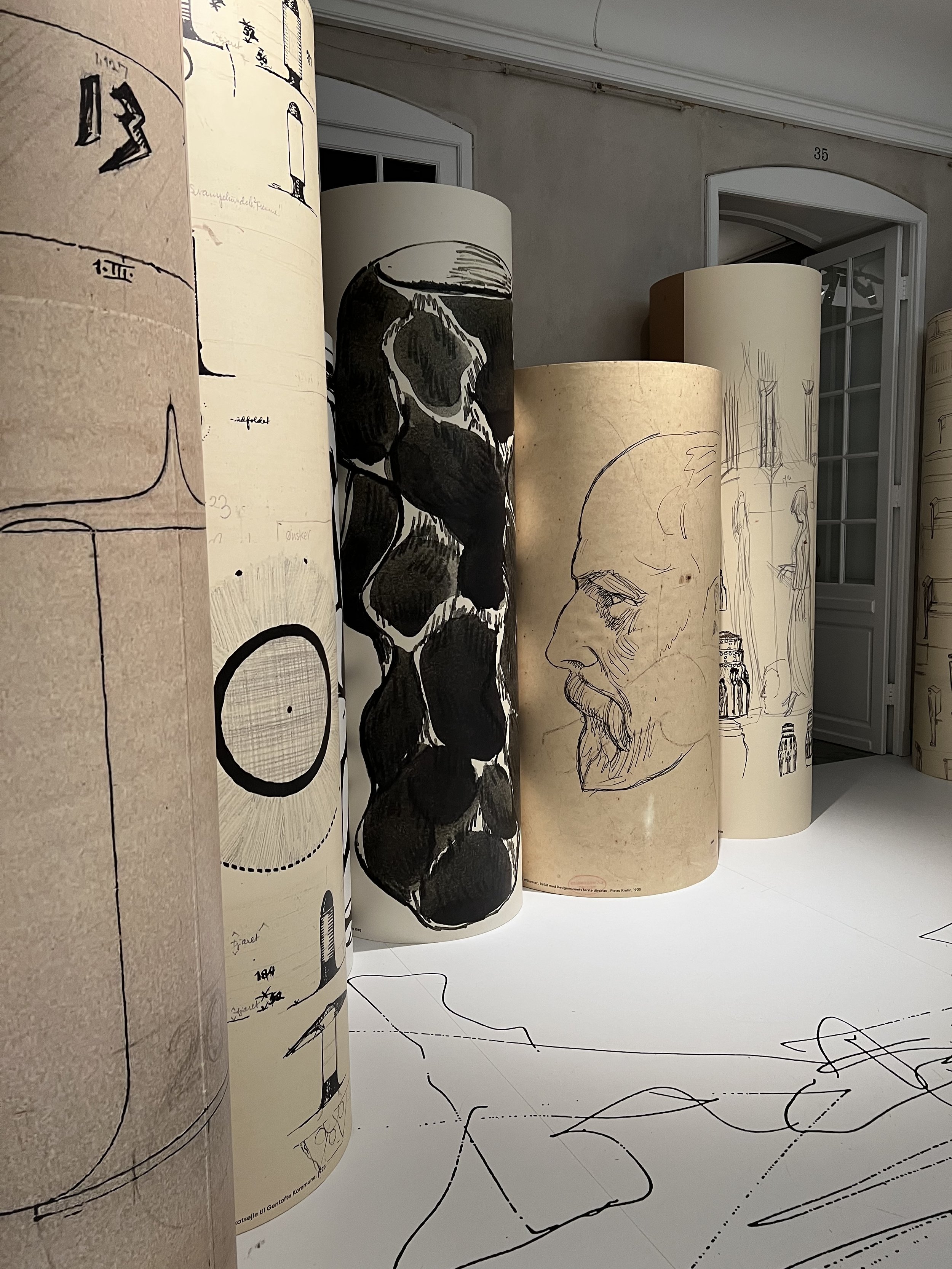
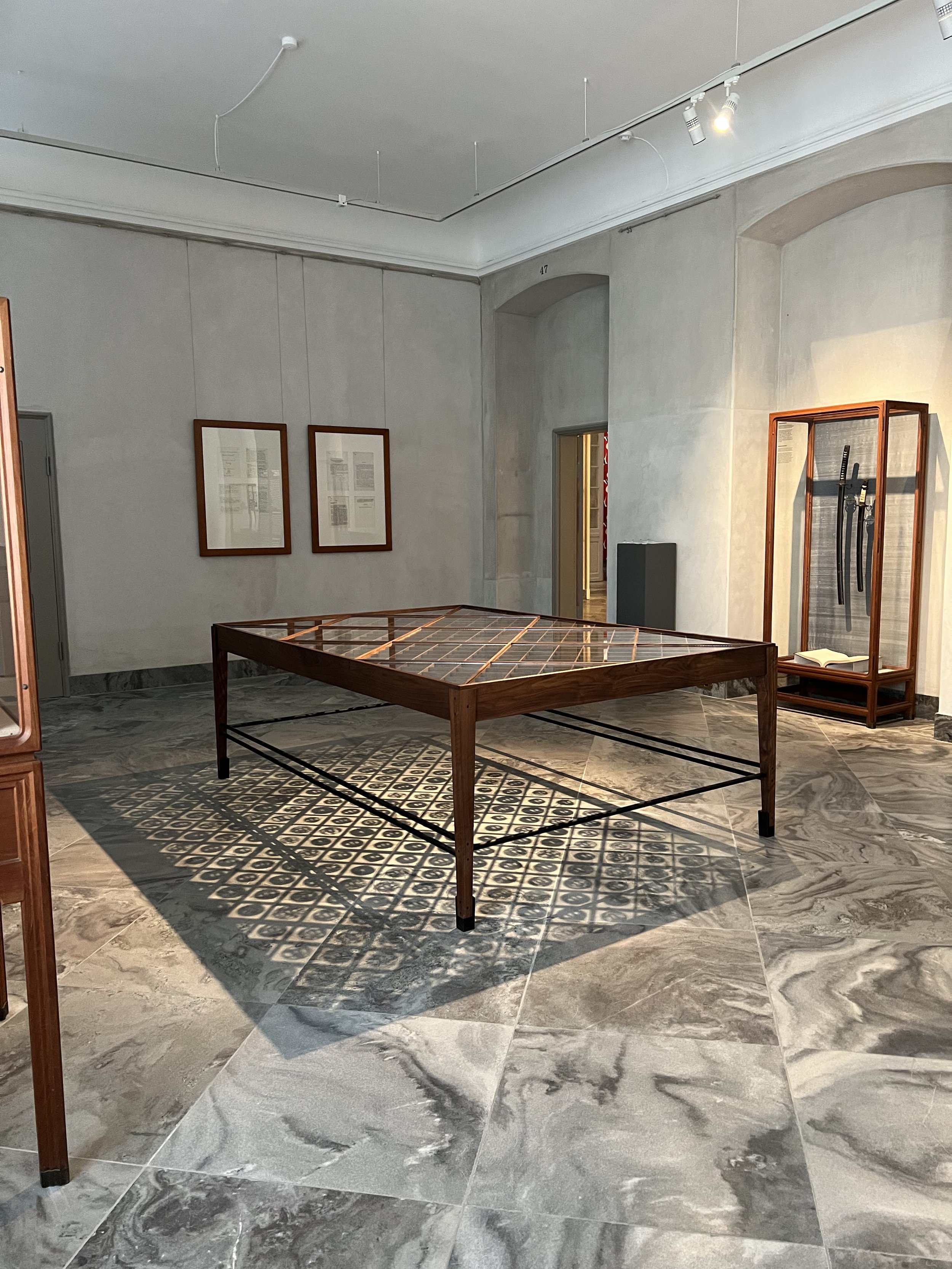
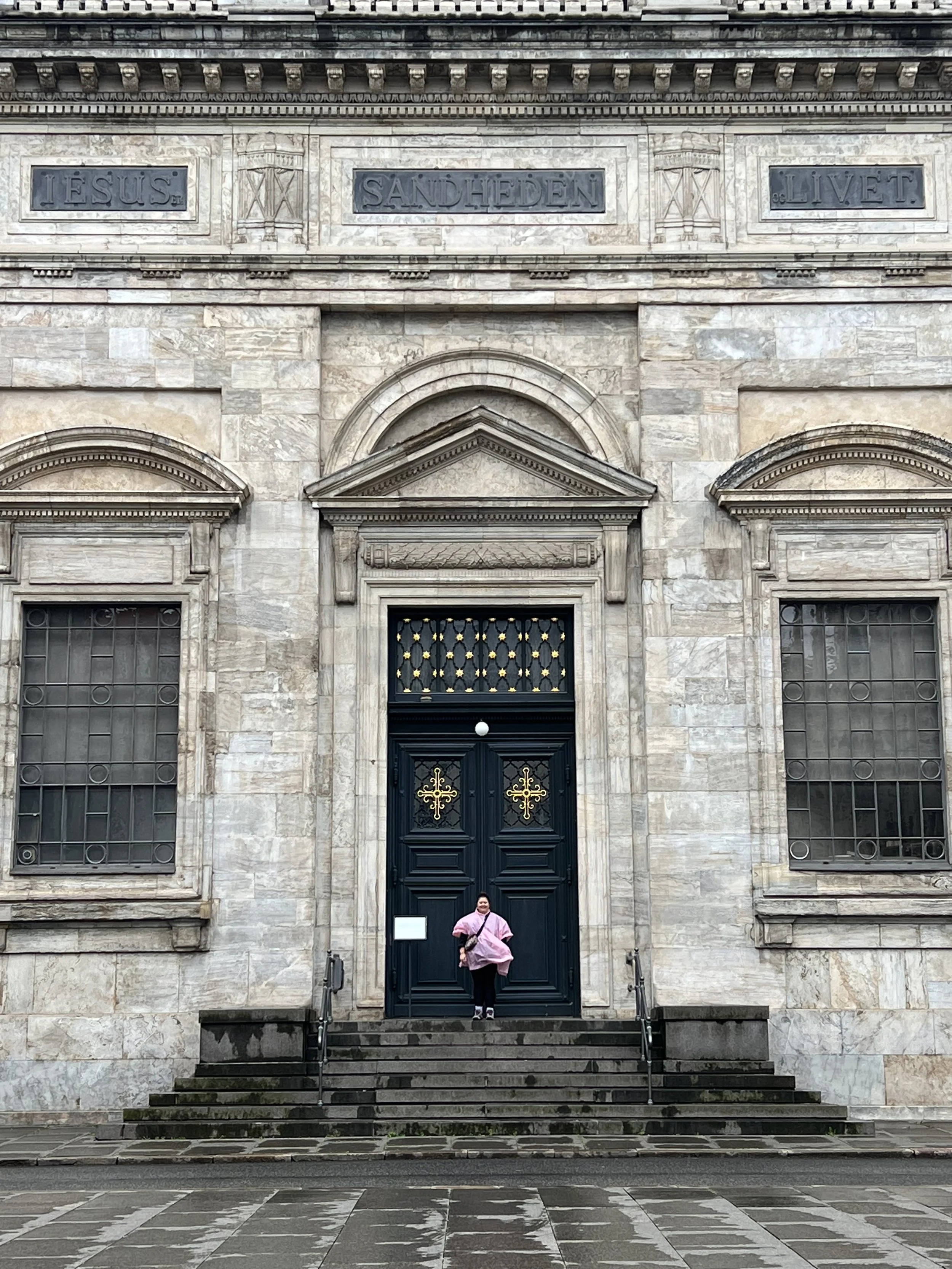
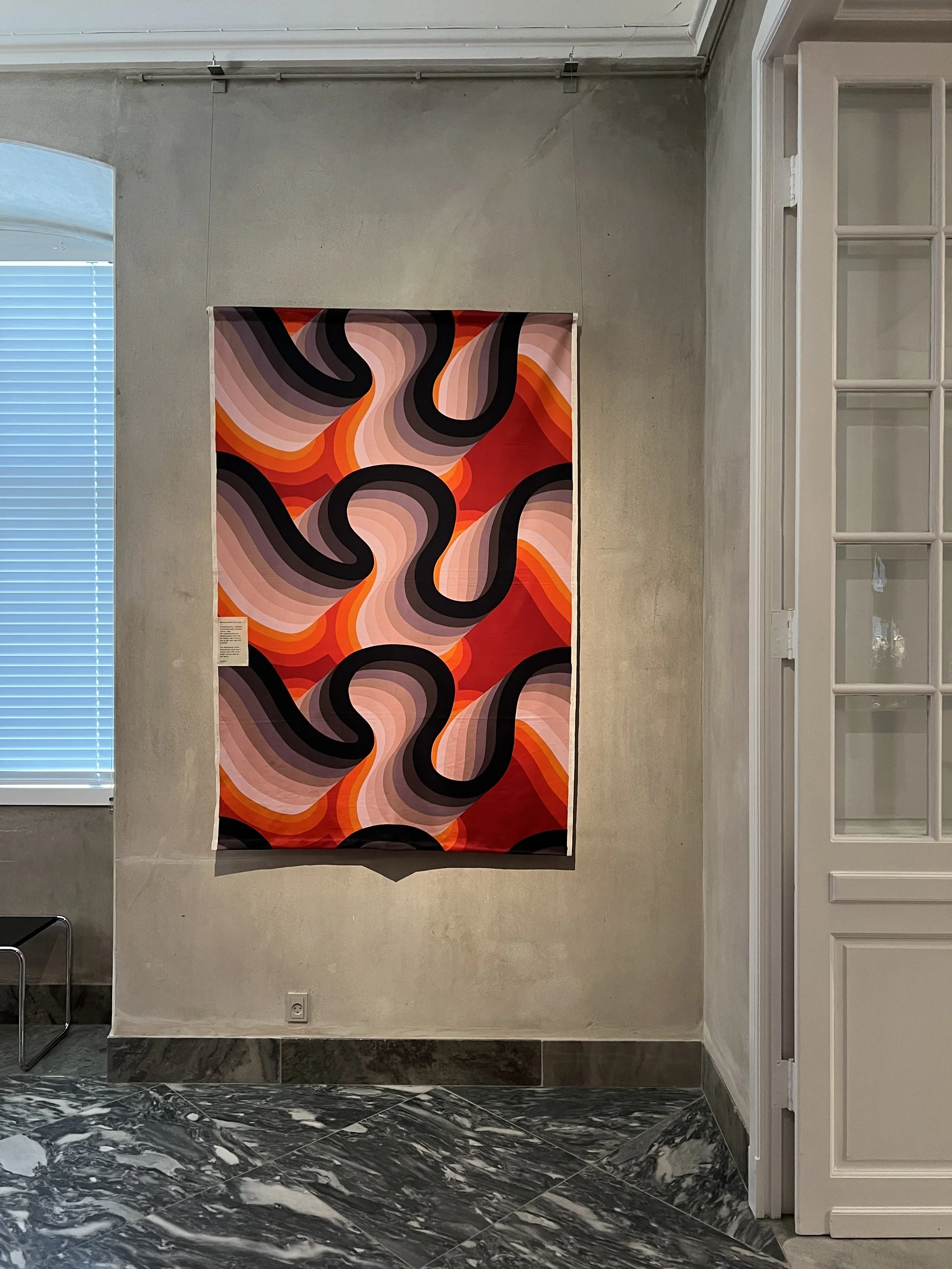
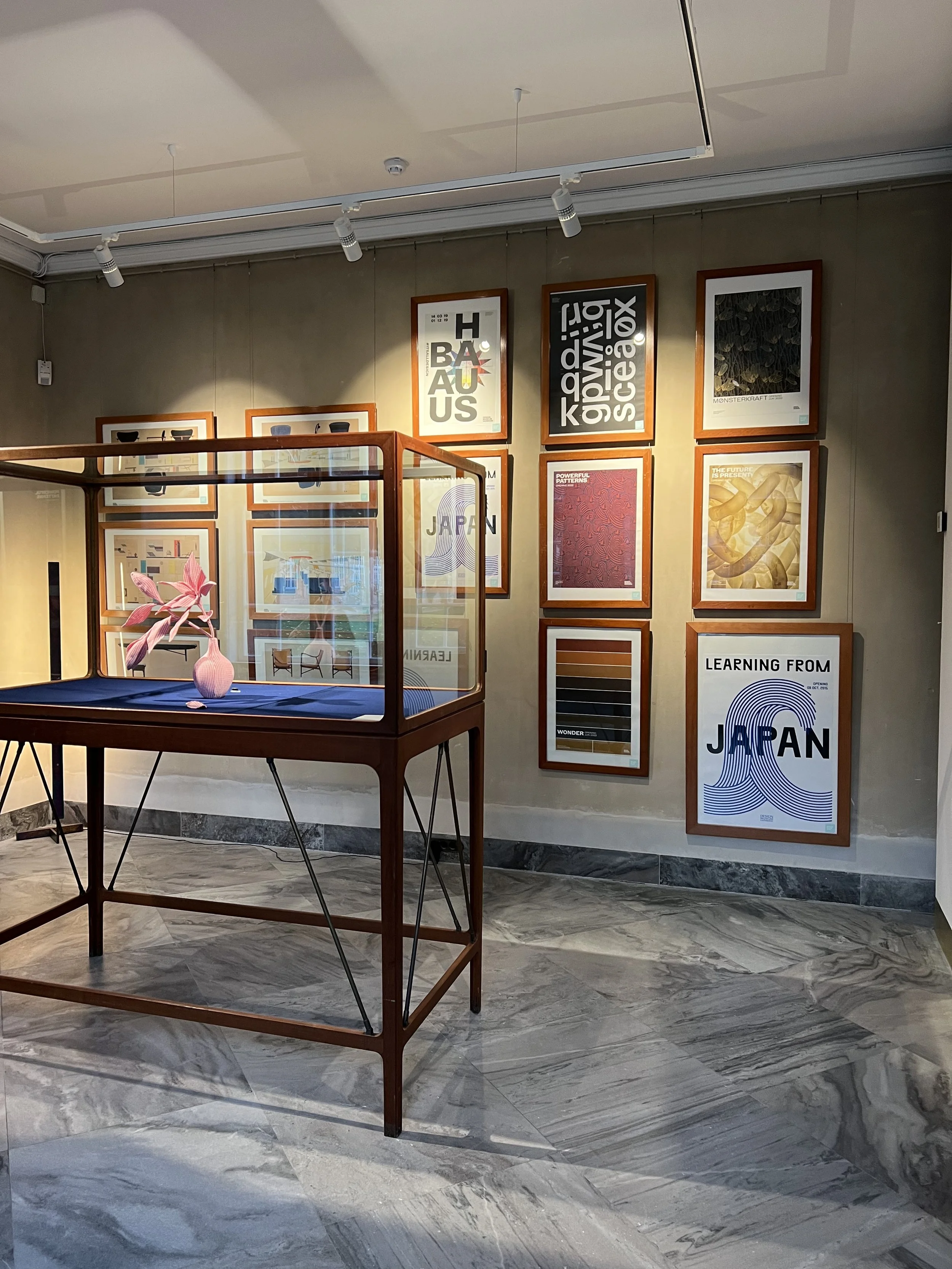
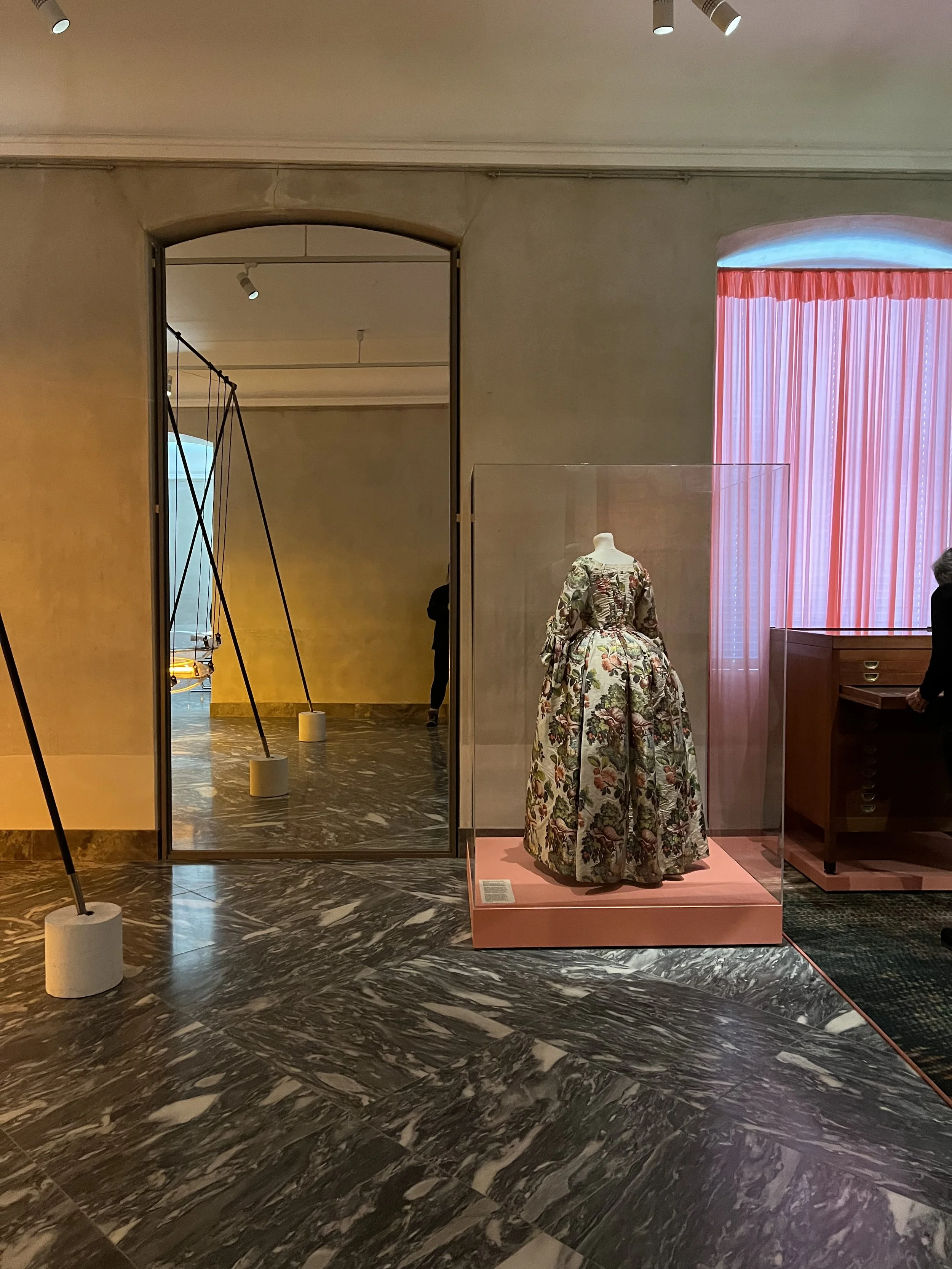
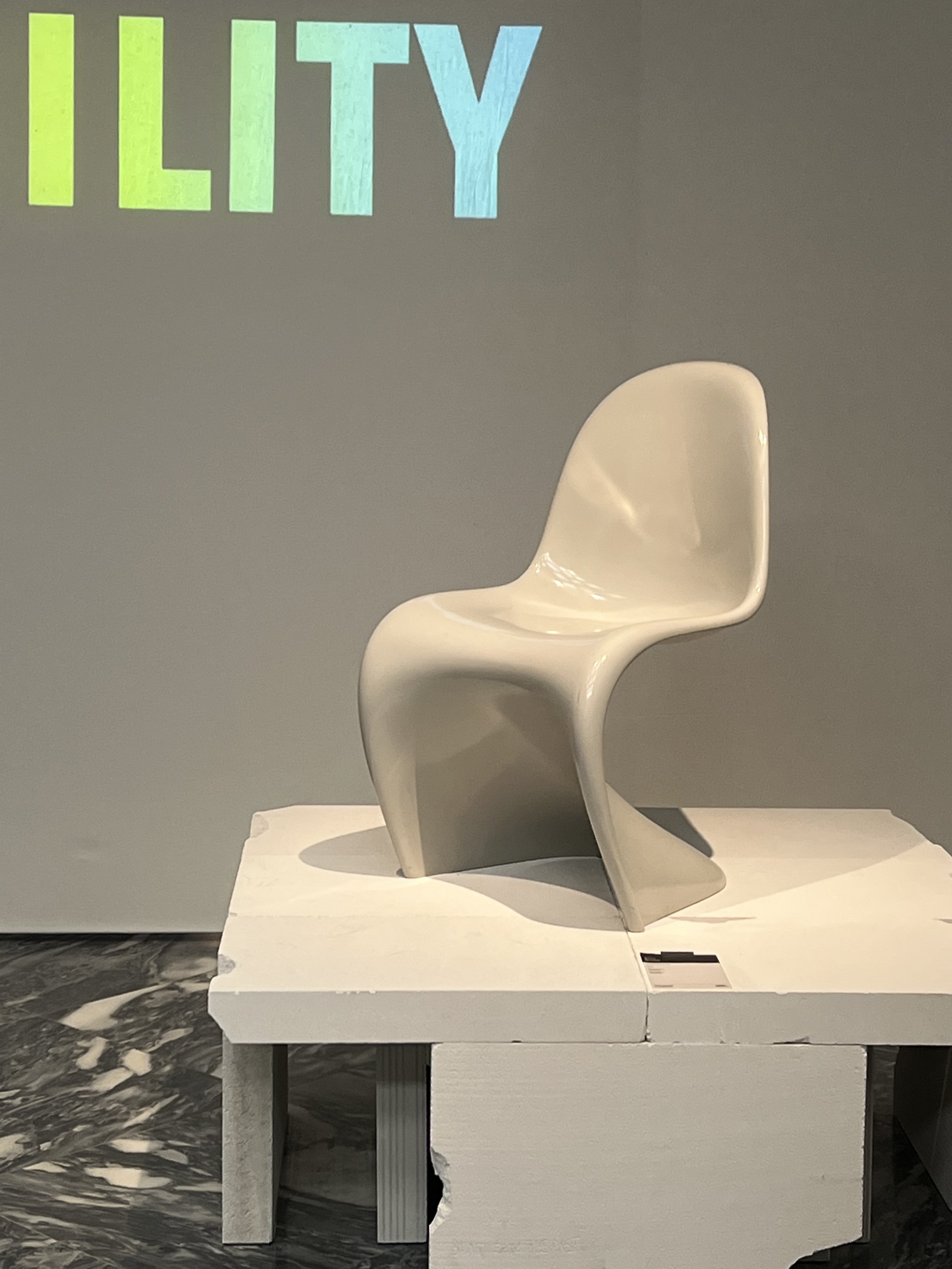
At the Designmuseum Danmark, the emphasis shifts from use to interpretation.
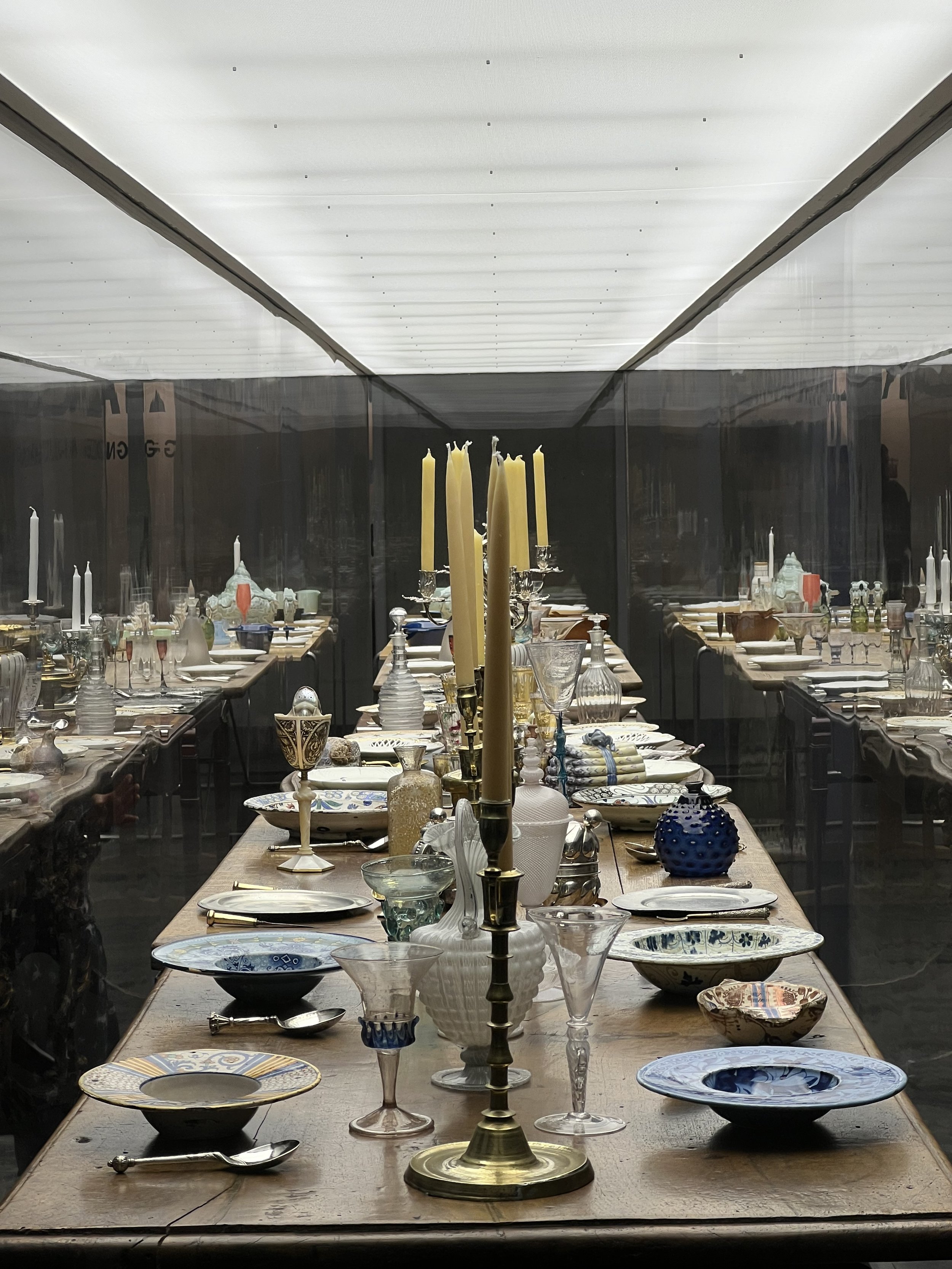
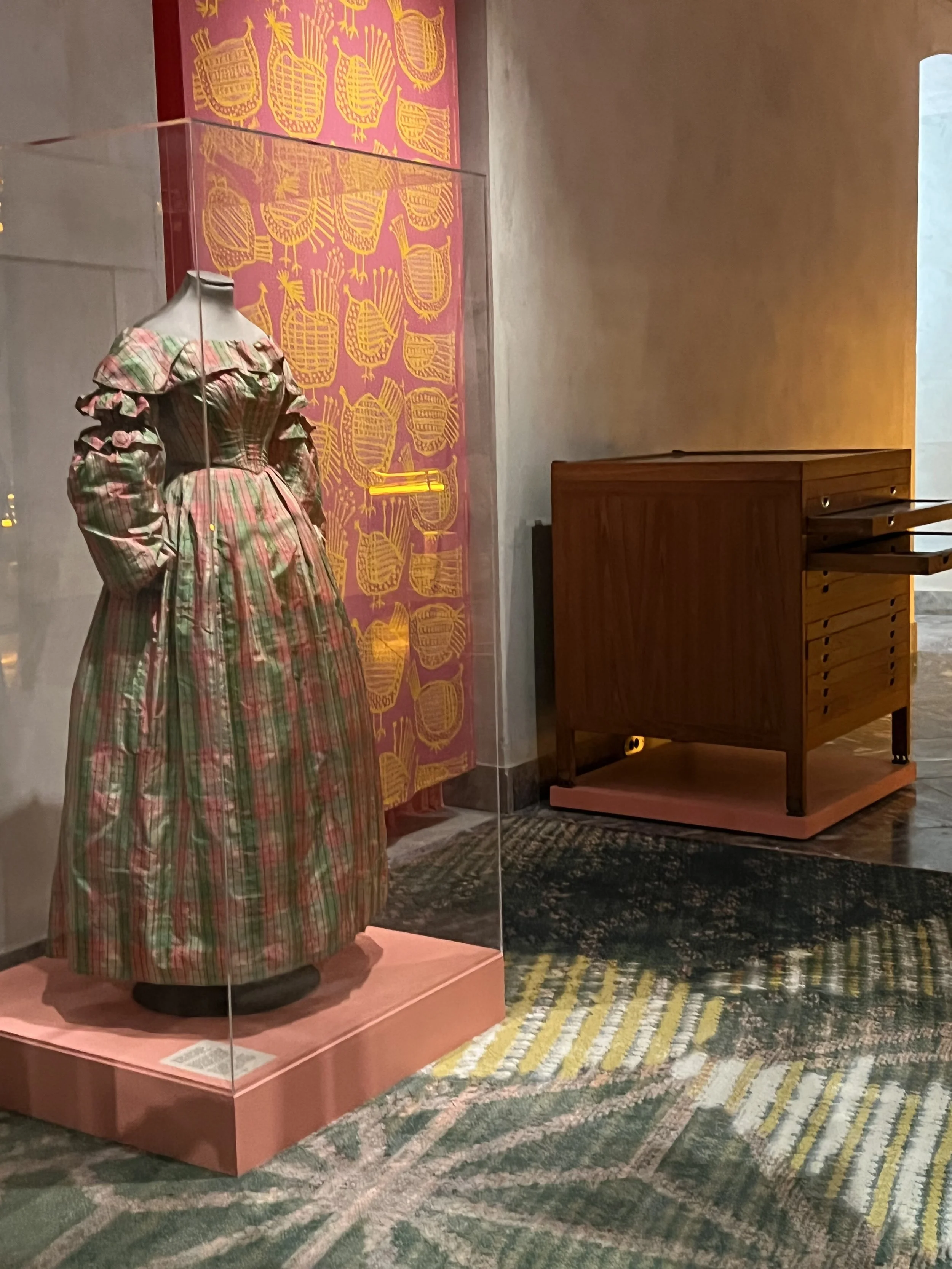
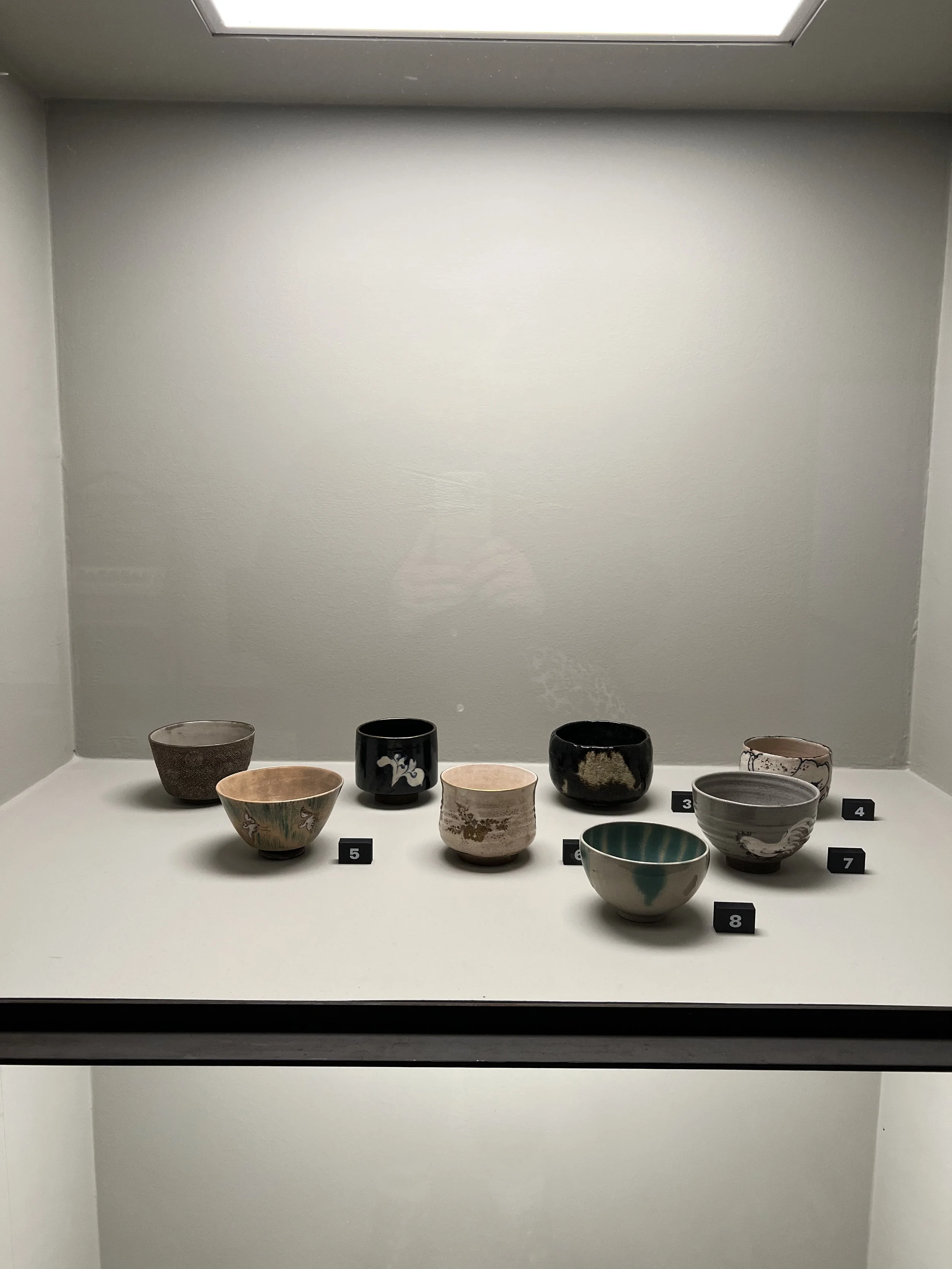
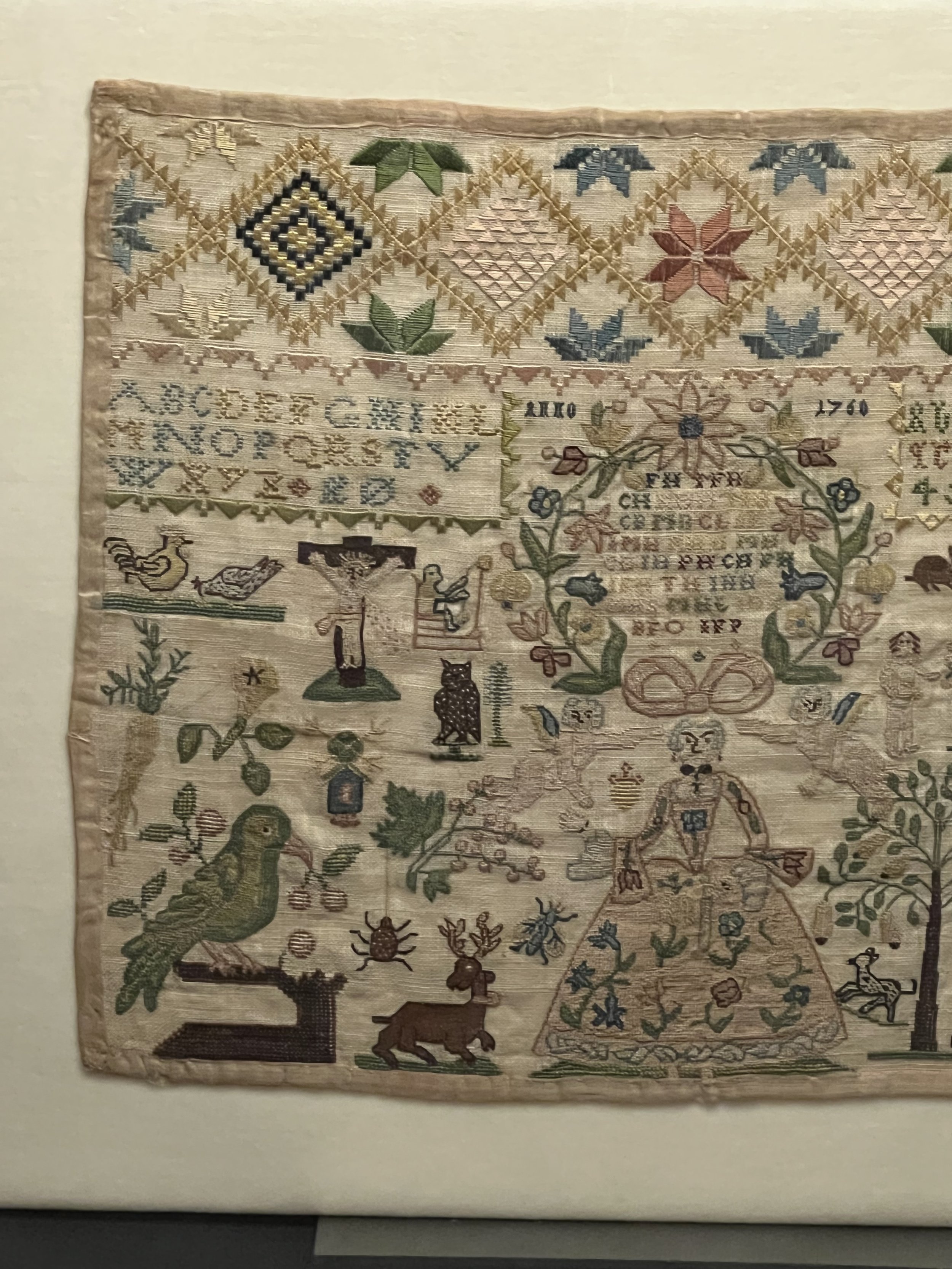
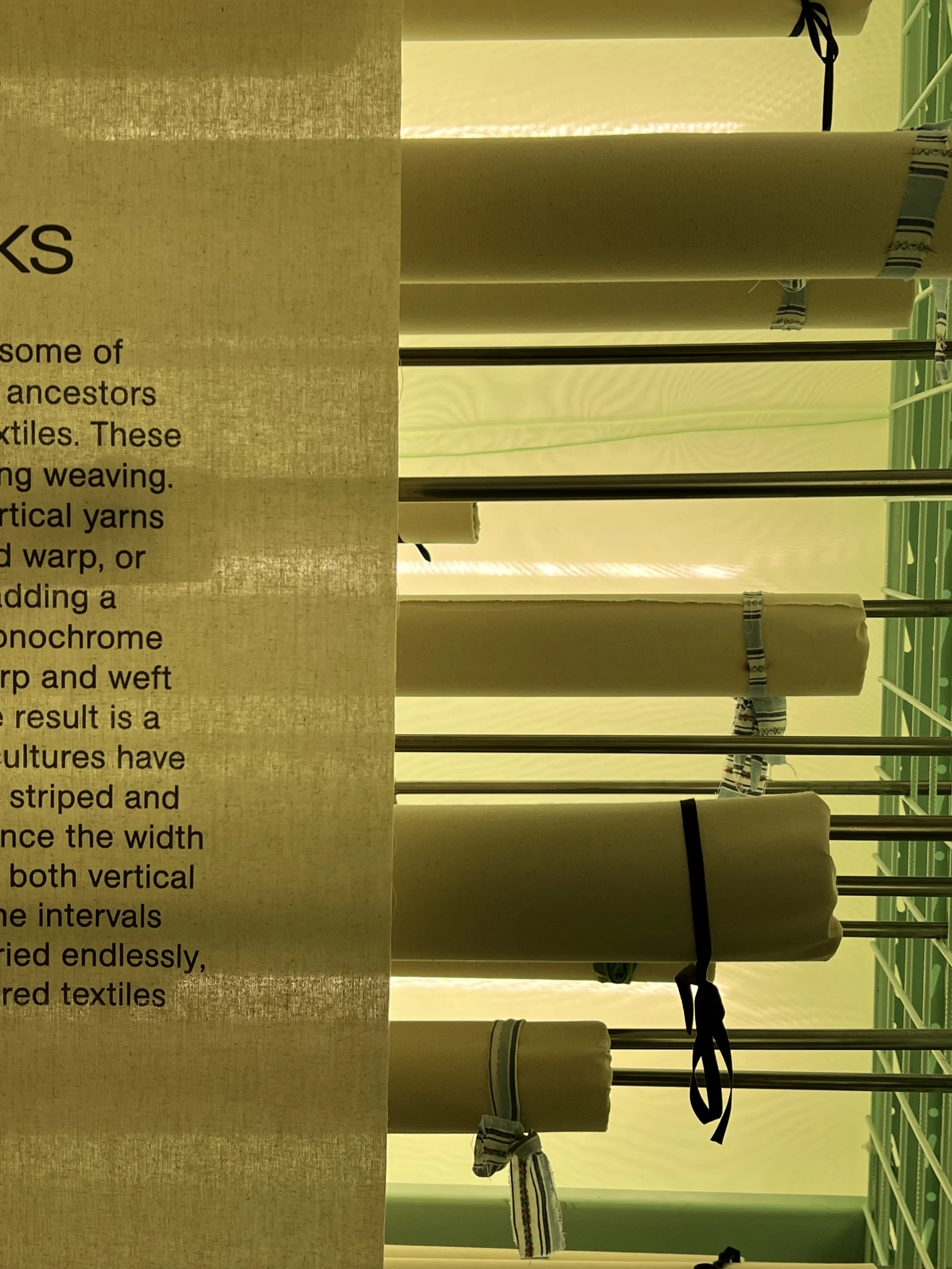
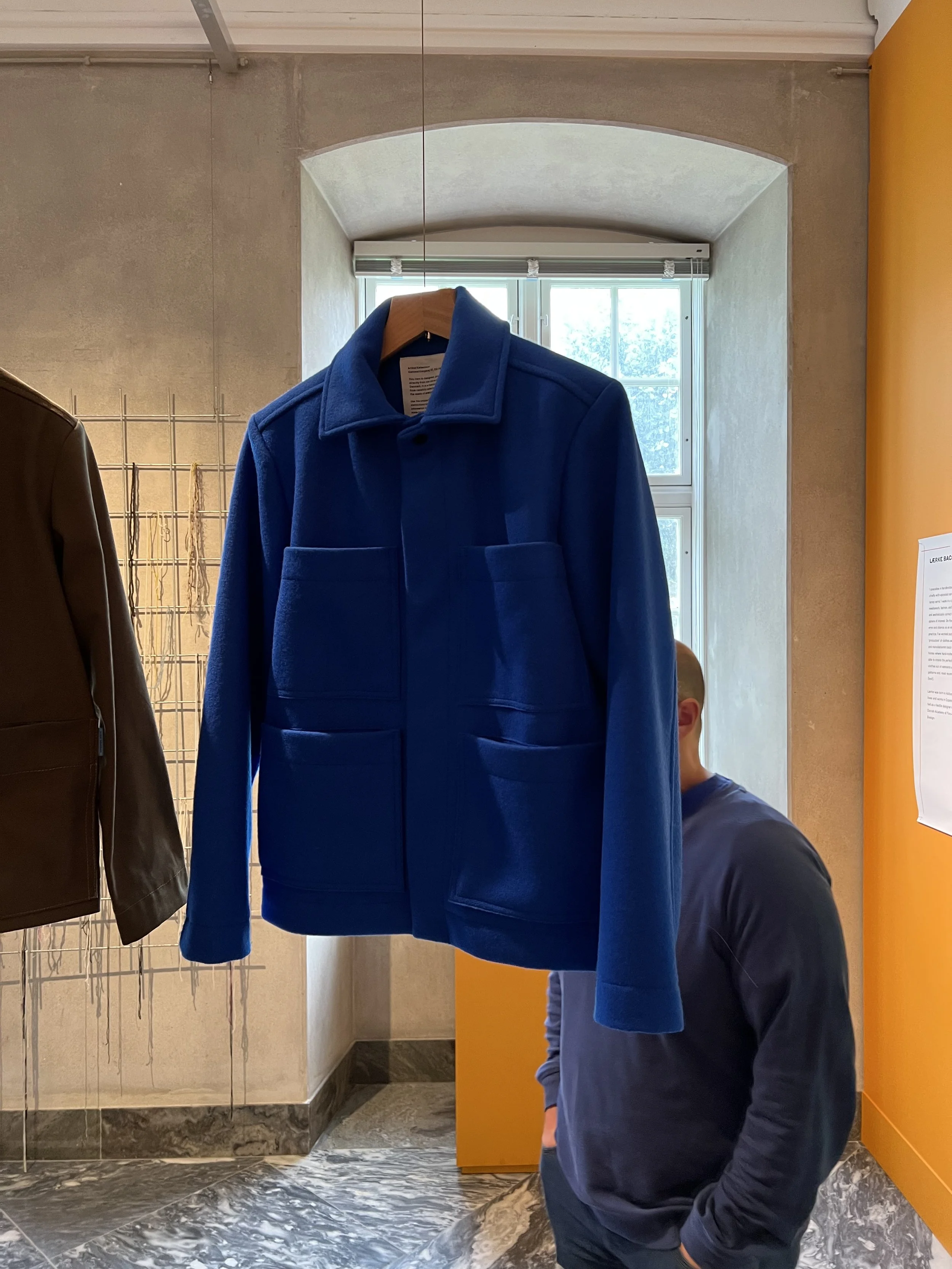
One gallery traces the evolution of the table setting, less as a display of objects, more as a study of behaviour. Across centuries, the act of dining is shown to be both stable and adaptable, shaped by shifting social and cultural conditions. Elsewhere, collections of objects, such as Japanese sword guards, are presented with equal care. The effect is cumulative. The museum does not privilege one type of design over another, but places them within a broader continuum.
It reinforces the idea that design is not a category, but a condition.
Making as visible practice
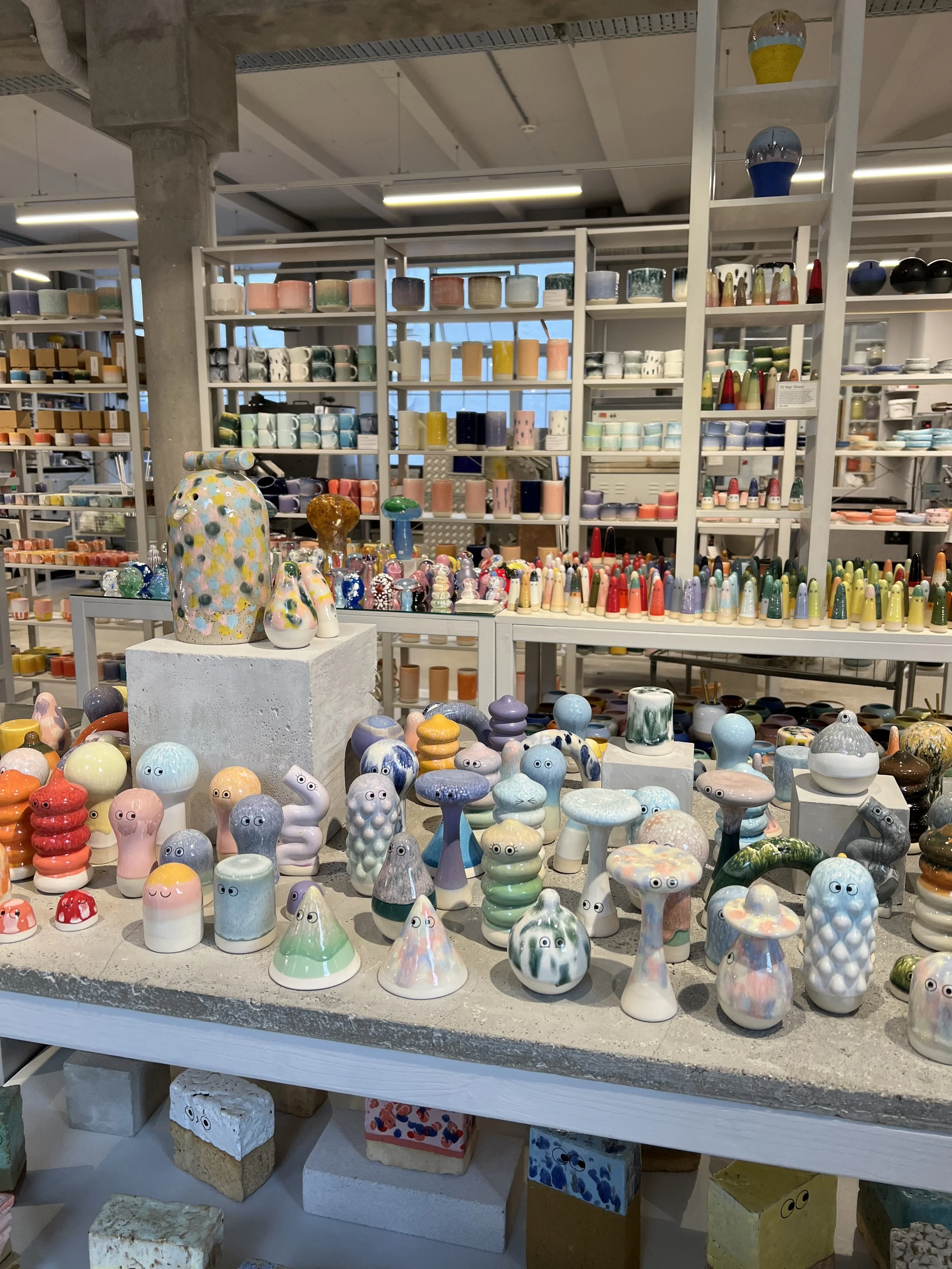
At Studio Arhoj, production is not concealed.
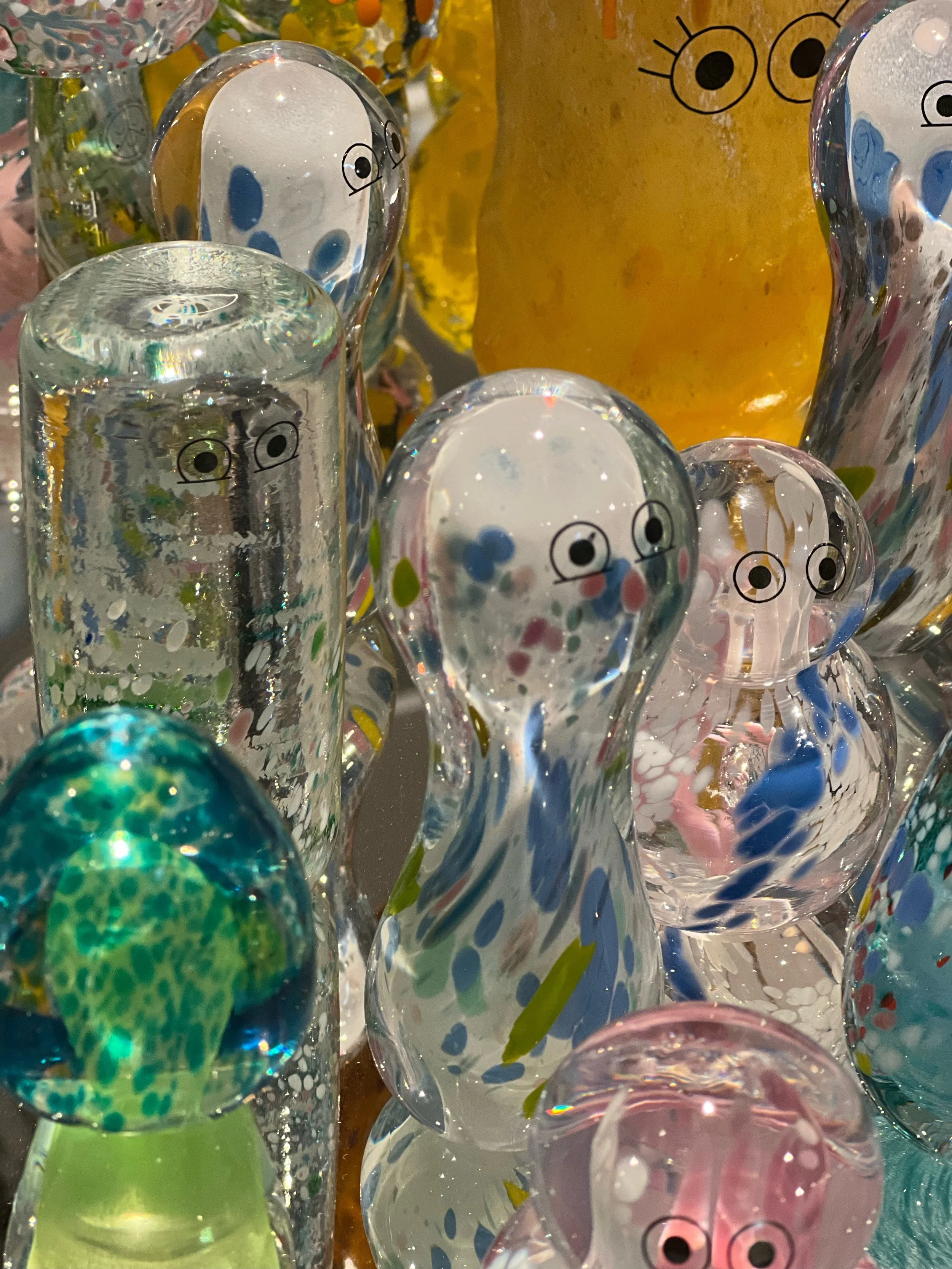
Visitors can observe the process directly: casting, glazing, and firing. The objects themselves, often irregular, occasionally playful, retain visible traces of their making. There is no attempt to standardise or perfect them. Instead, variation is allowed to persist. In a context where much design is mediated through screens and systems, this level of material immediacy feels increasingly significant.
Food and setting
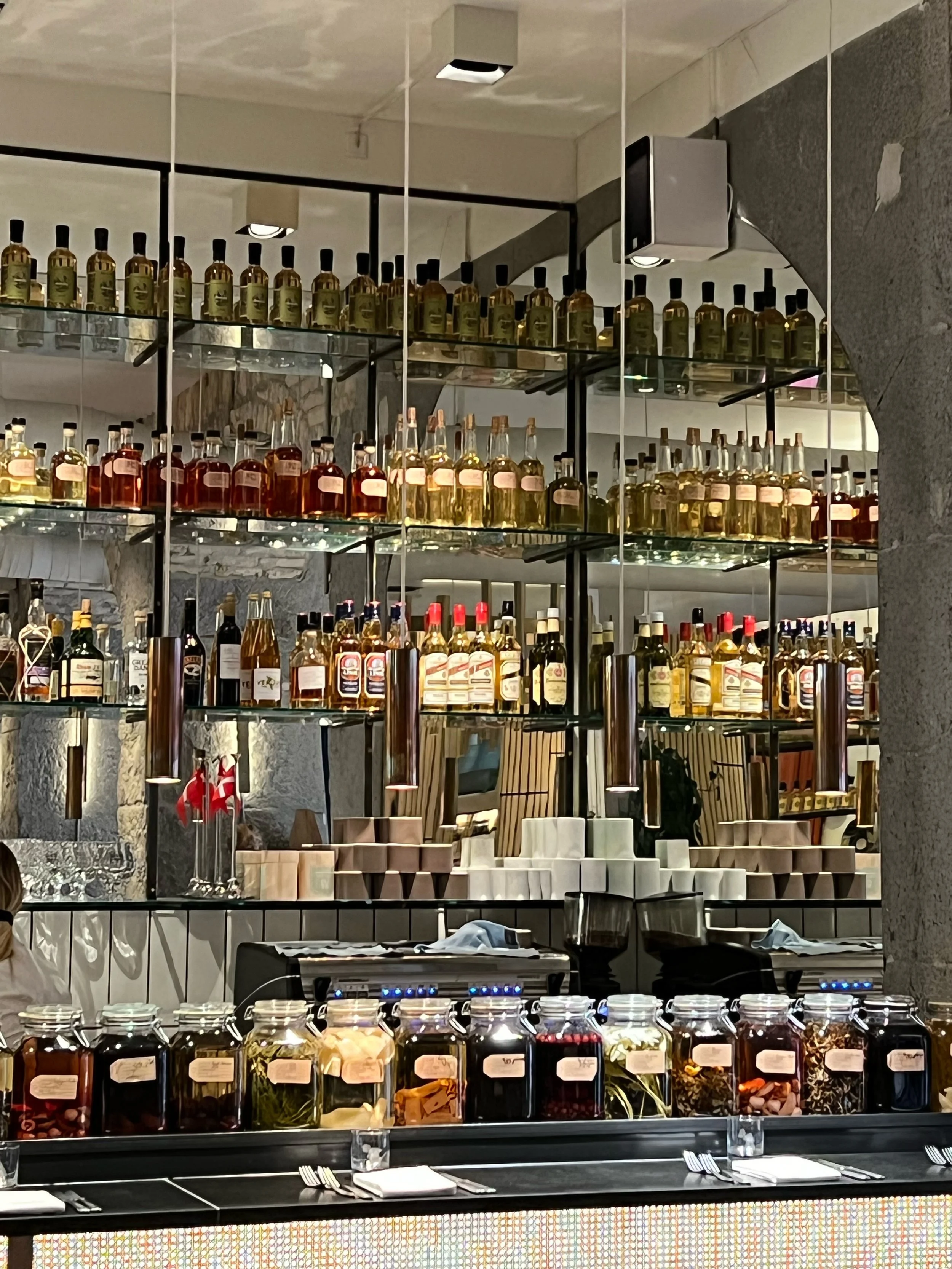
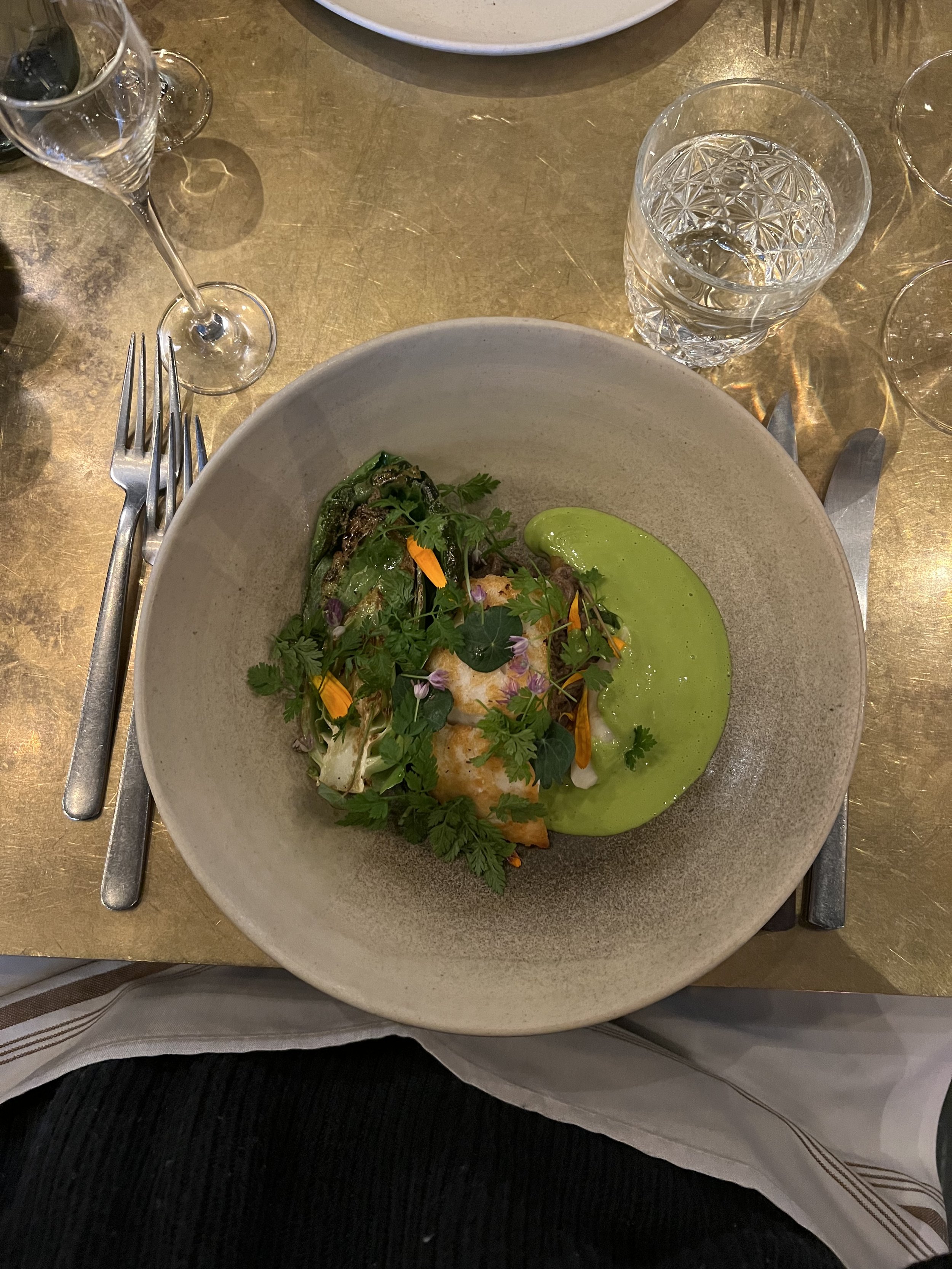
At Aamann’s 1921, the relationship between food and environment is handled with restraint.
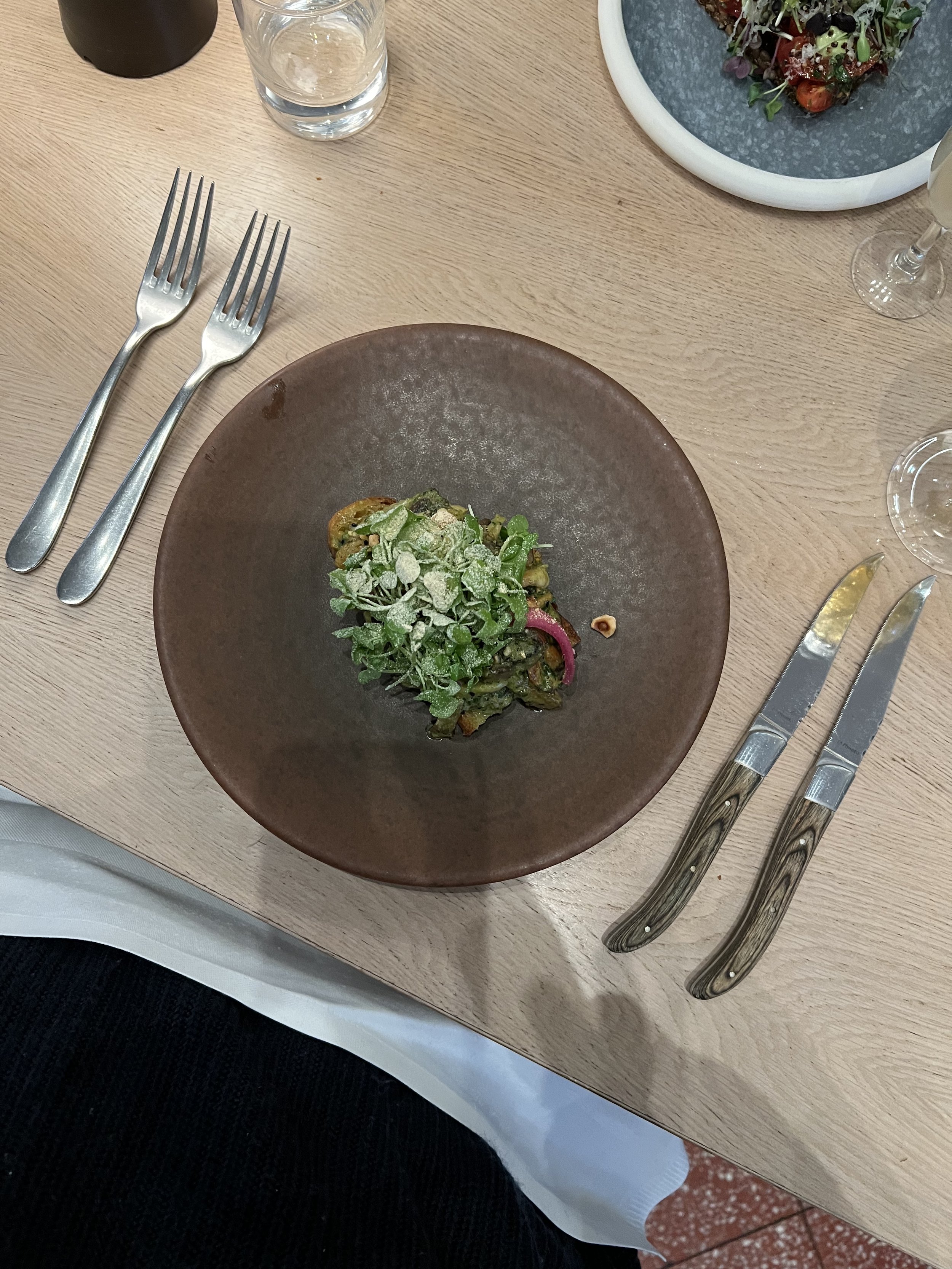
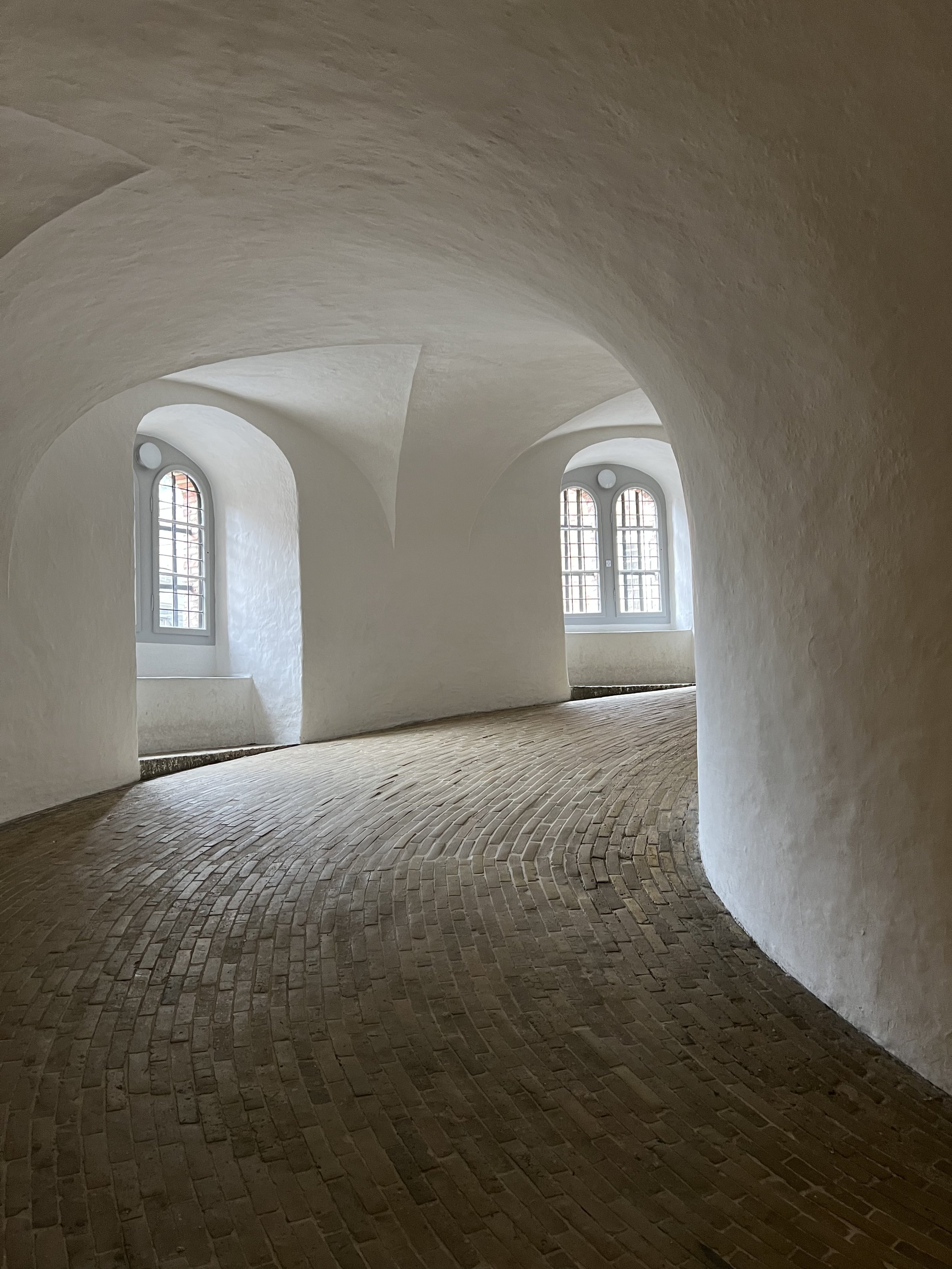
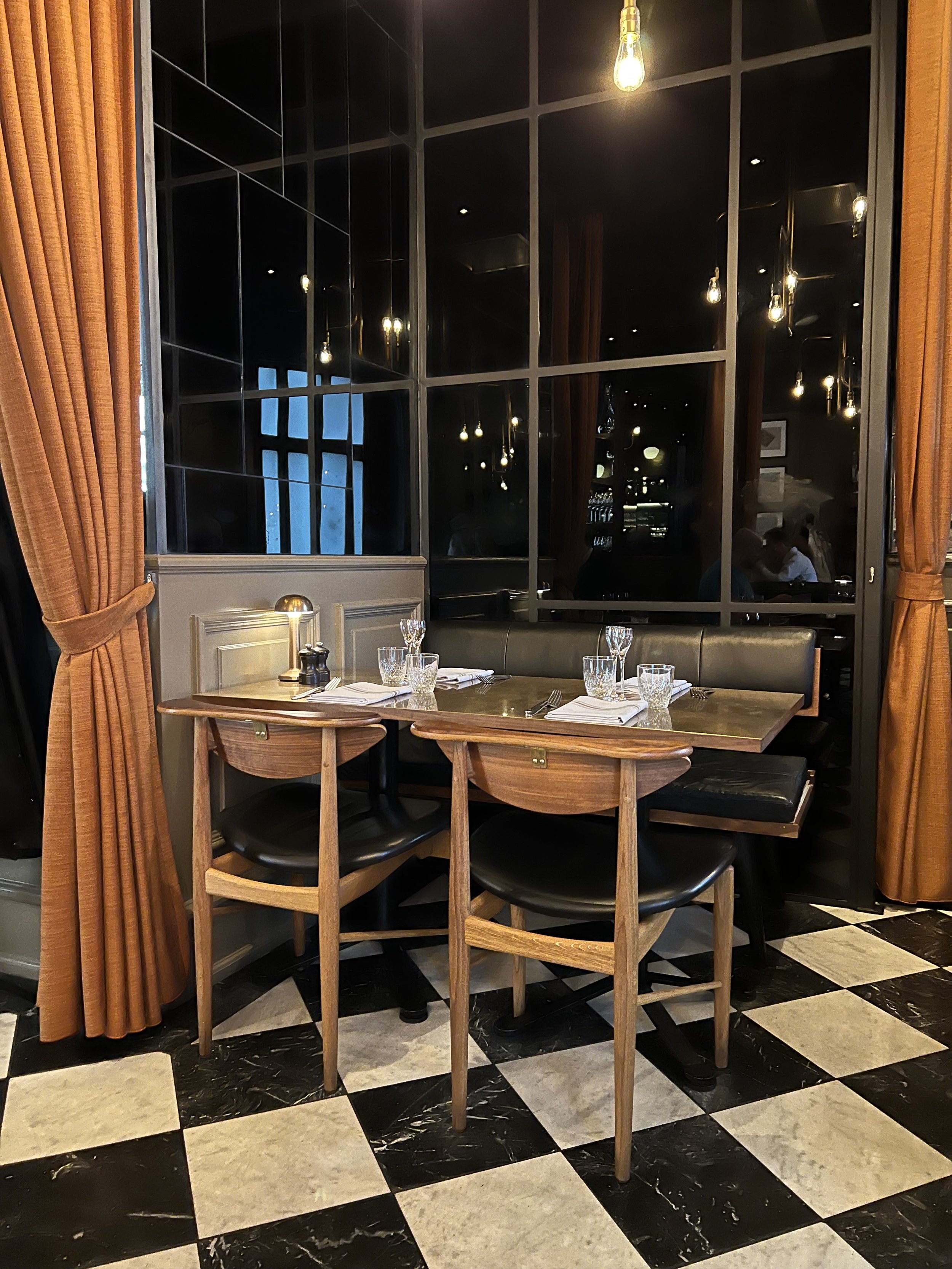
The interior—arched ceilings, terrazzo, brass—carries a certain formality, but avoids excess. The food, similarly, takes a familiar format and refines it without overcomplication. The experience is cohesive, but not theatrical. Nothing is overstated.
A city that does not insist
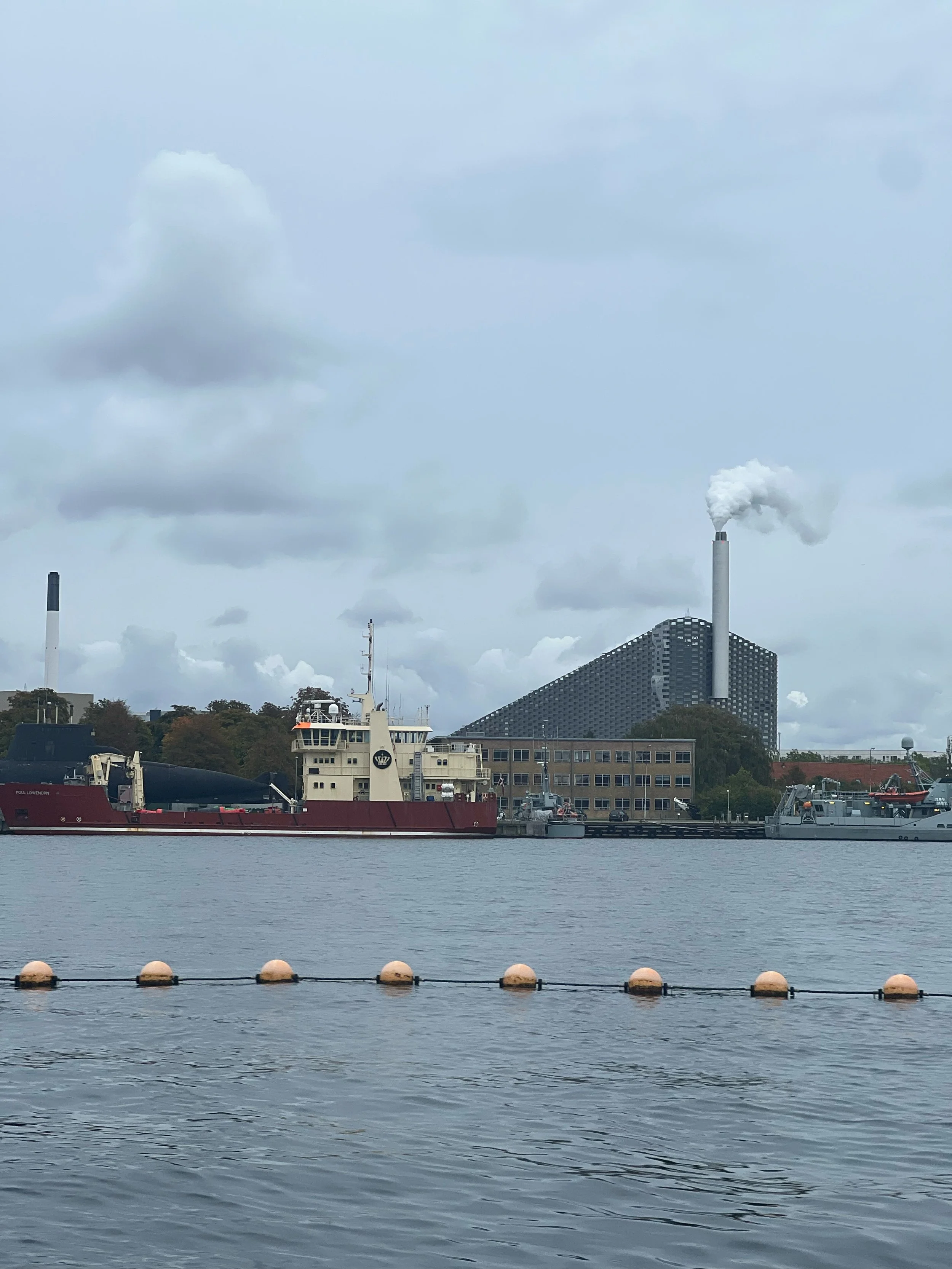
Copenhagen’s reputation as a design destination is well established, but its defining quality is less about visibility than consistency. Design is not presented as a feature to be noticed, but as a framework that supports how the city functions, how people move, eat, work, and gather. It is this lack of insistence that makes it persuasive. Not a showcase, but a system.