Communications strategy, audience development, brand identity and digital
An editorial world, rooted in the vernacular
Hortus Poeticus
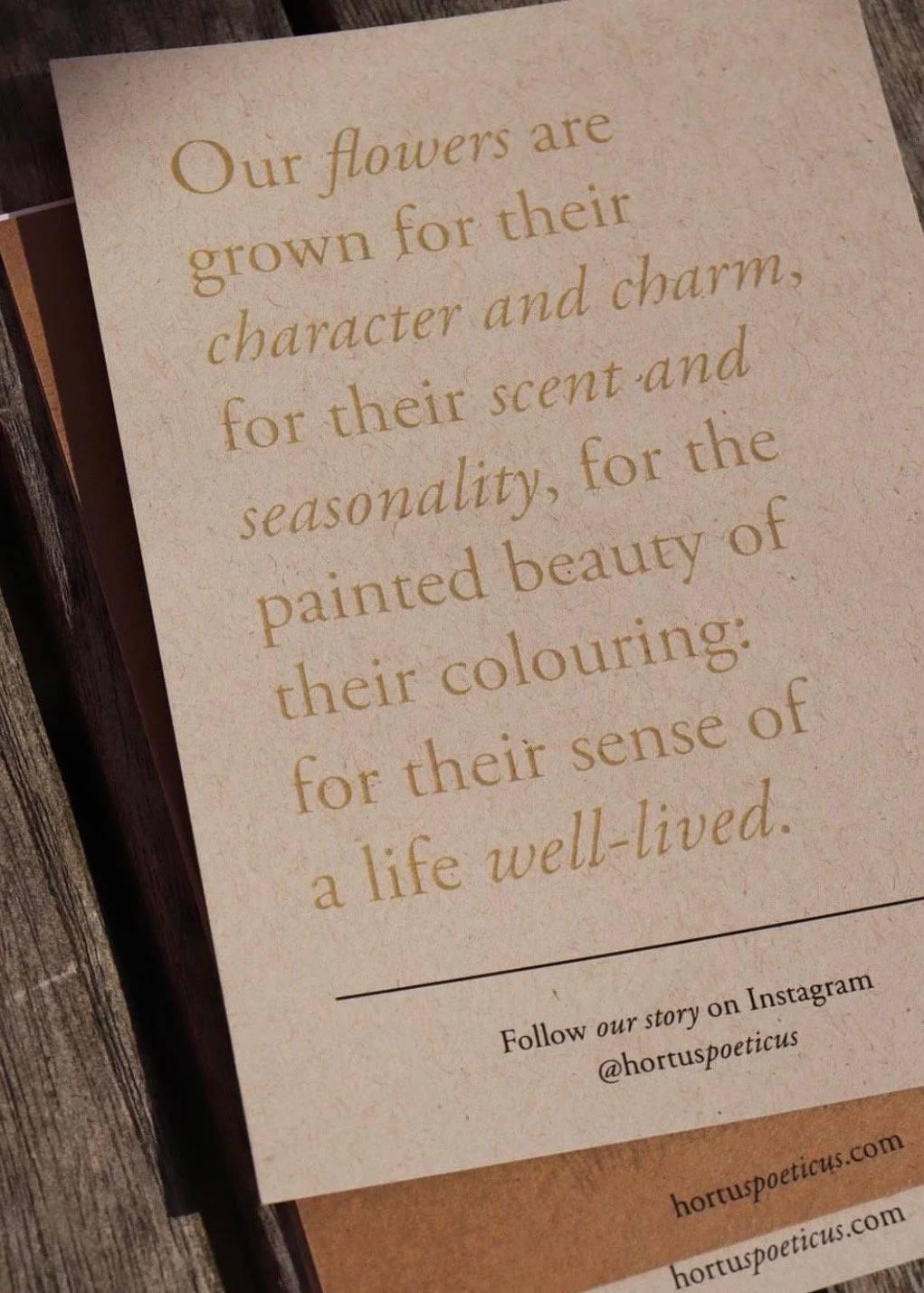
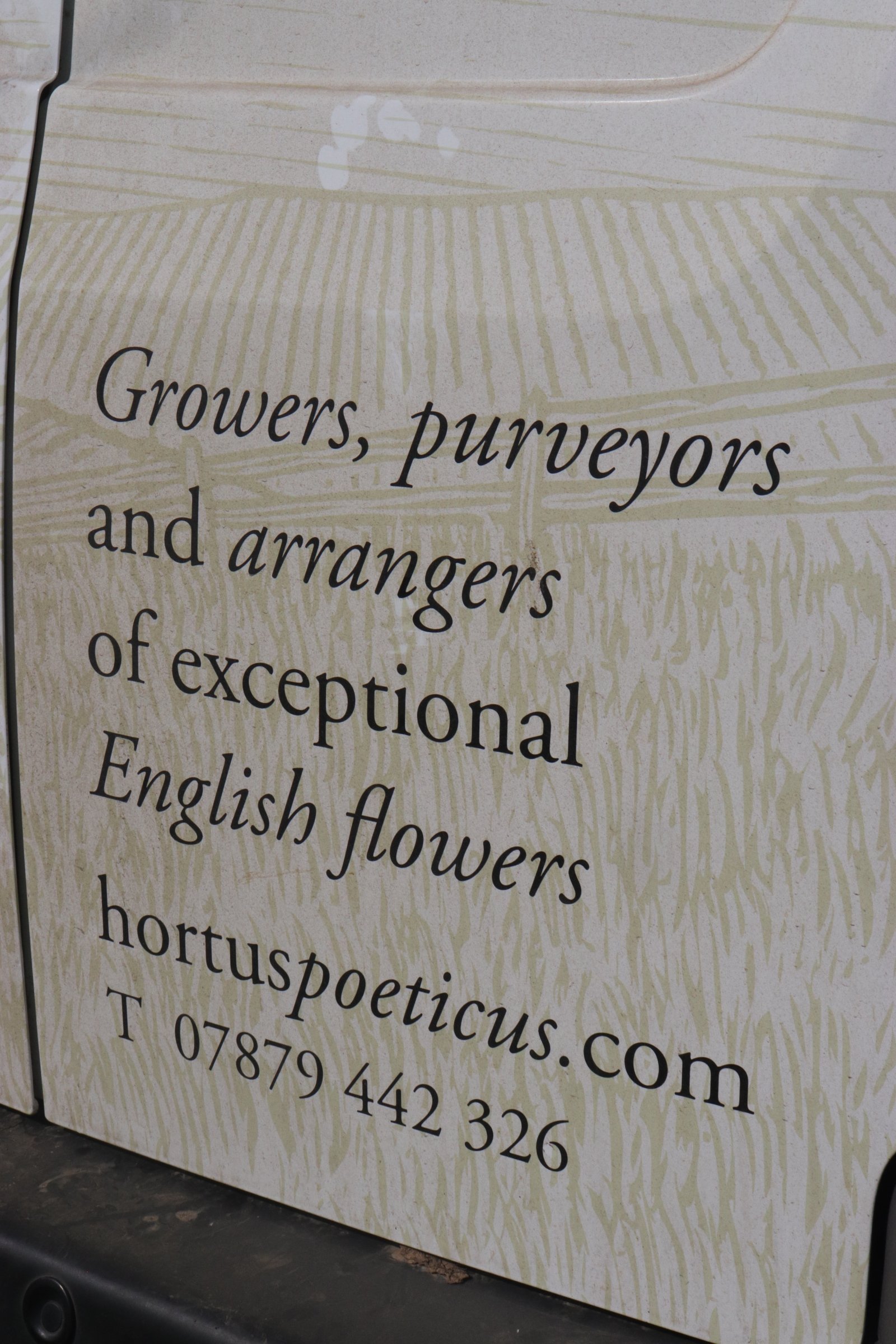
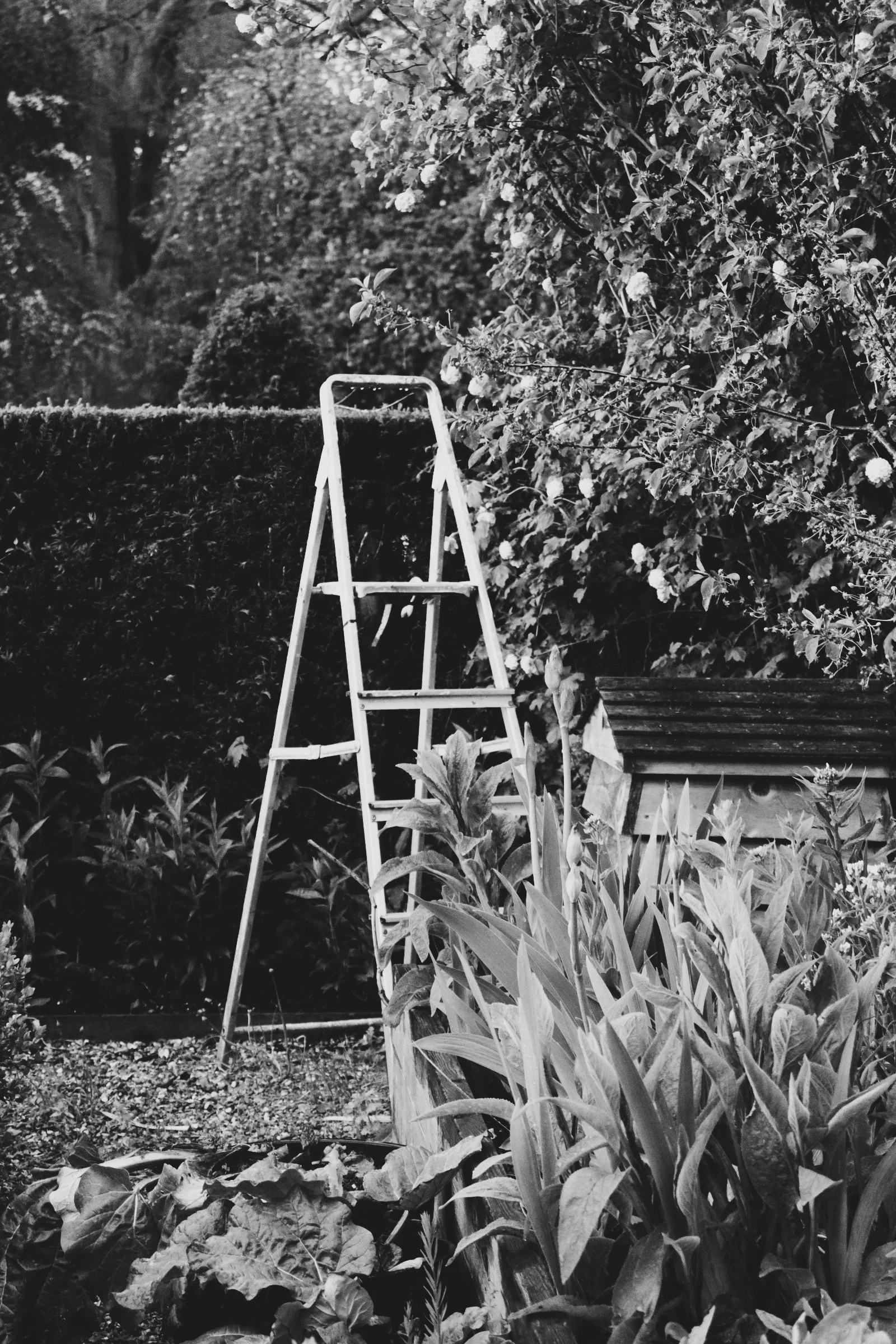
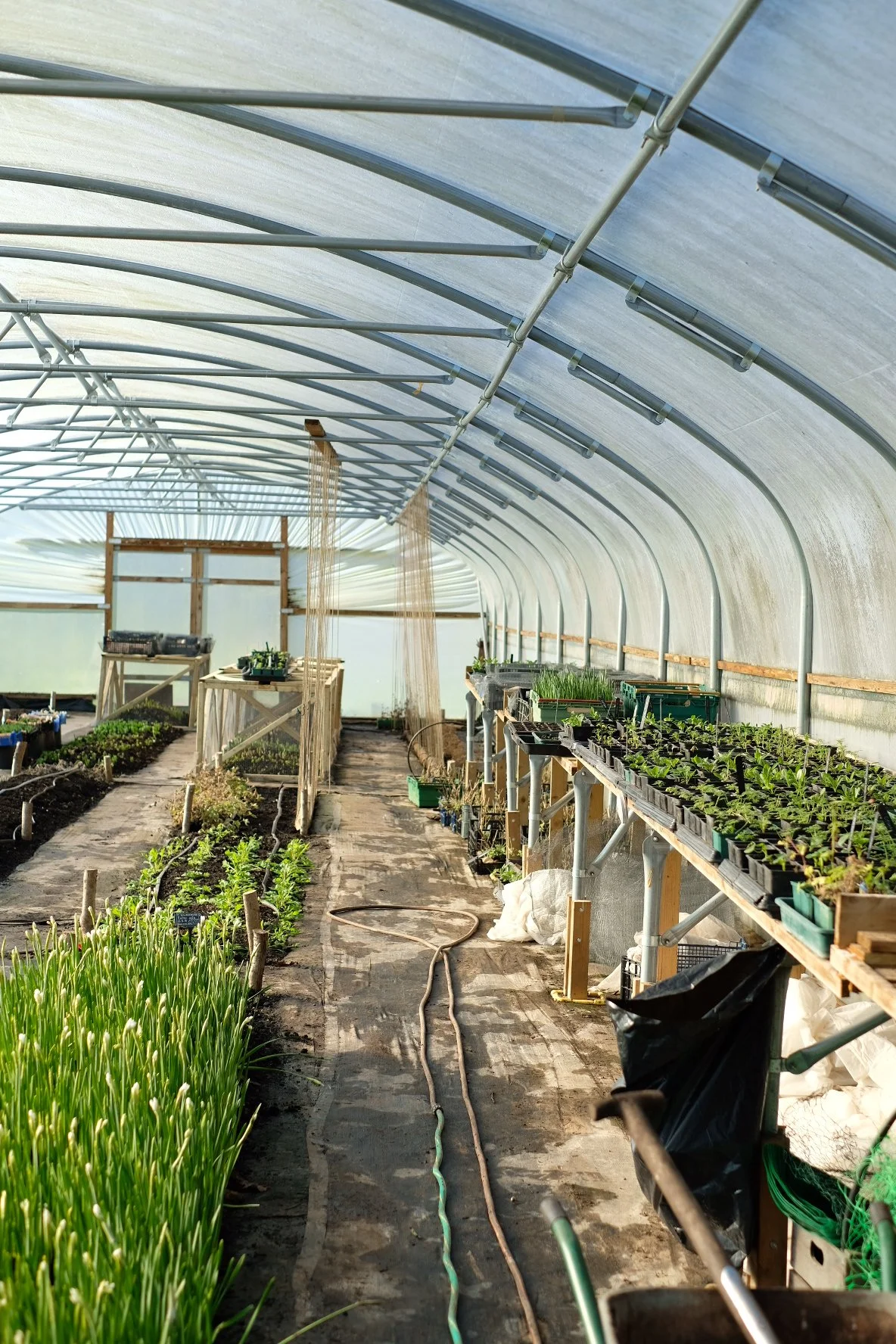
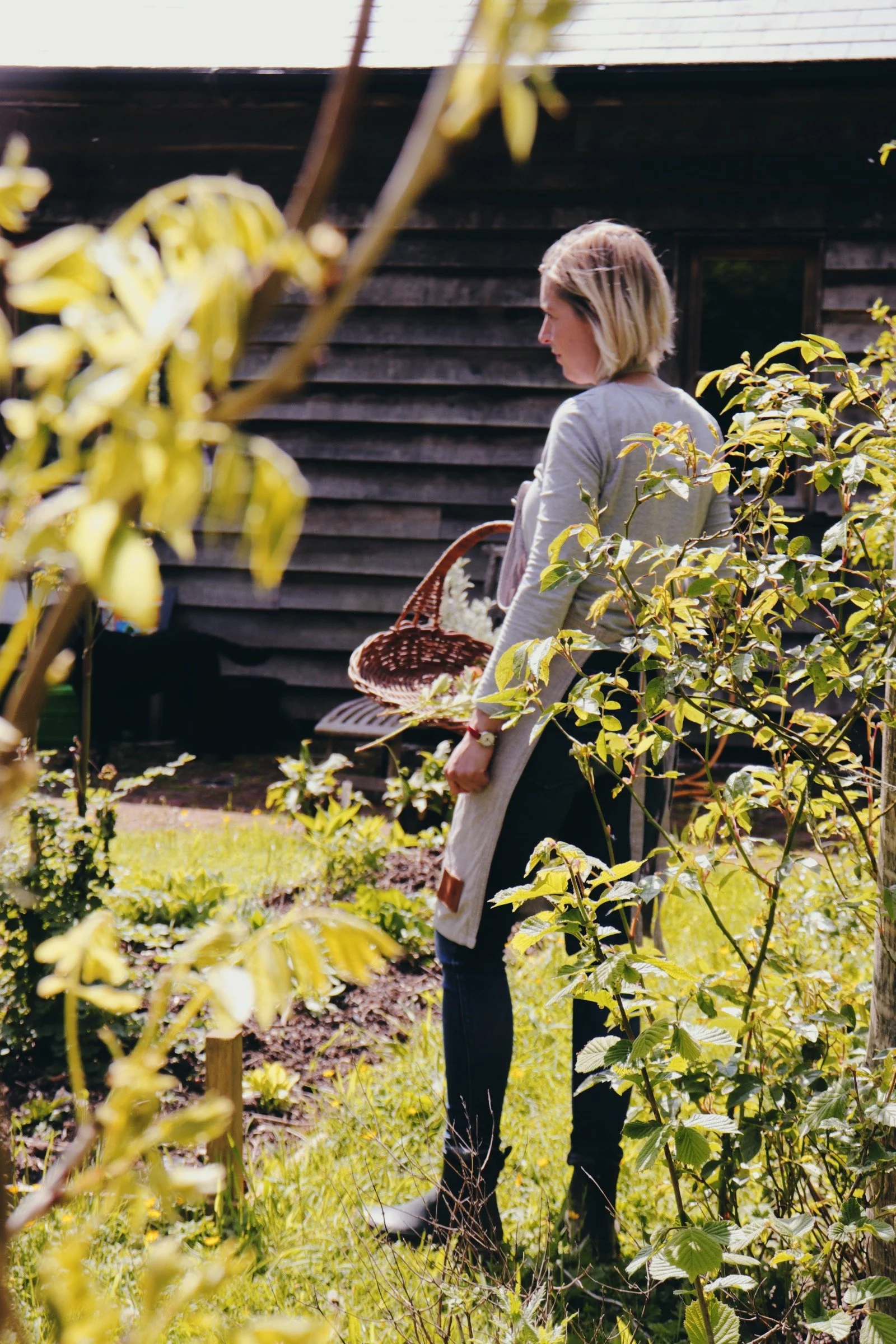
Hortus Poeticus began as a respected flower farm, but with limited visibility beyond a largely horticultural audience. The work centred on repositioning the brand, shifting it from a grower-led business into a more culturally situated practice, with relevance across interiors, design, and publishing.
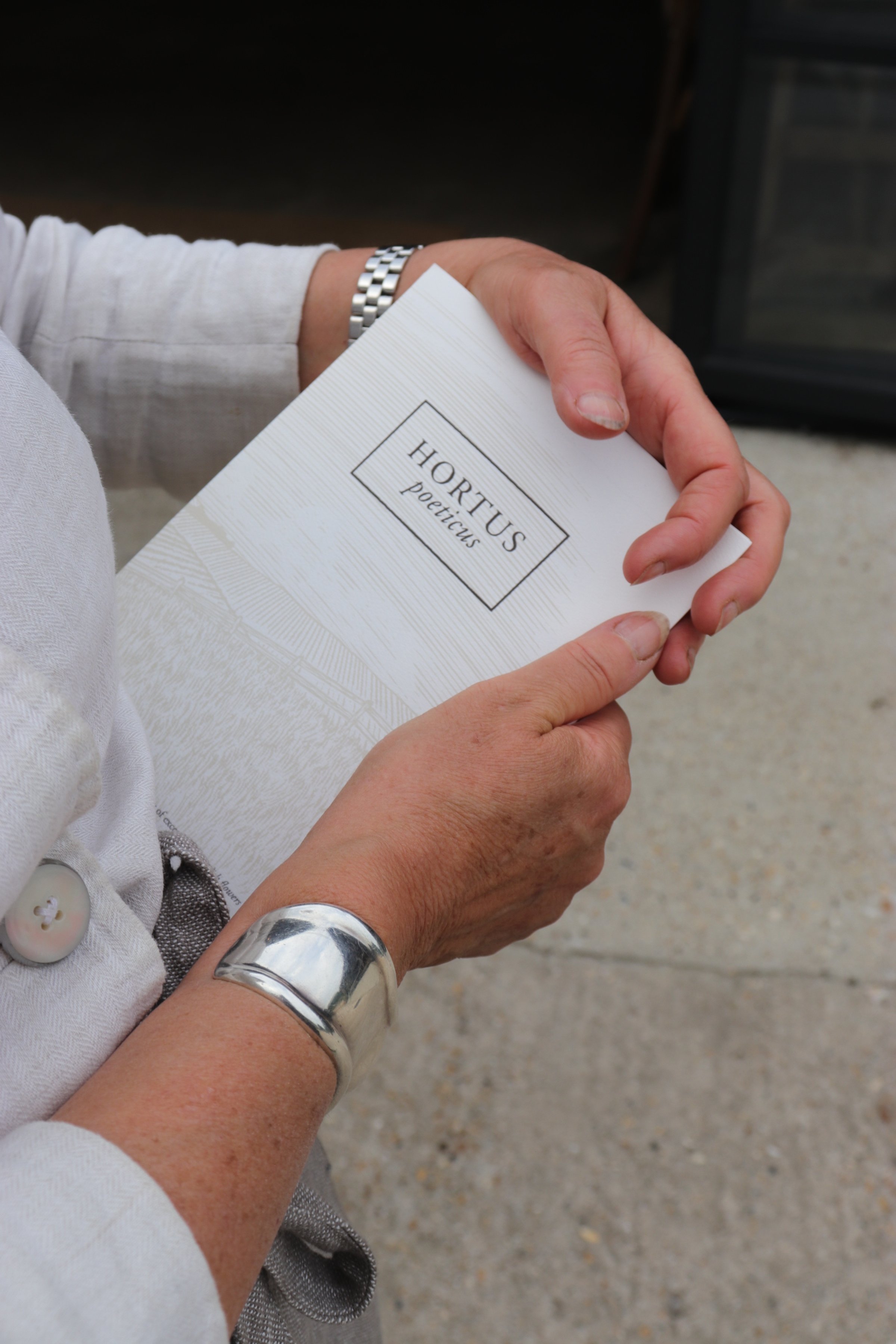
I developed the overarching brand and communications strategy, defining a clear position and identifying a set of core audience groups. These included design-literate homeowners, editors, and culturally engaged clients, audiences aligned not simply by an interest in flowers, but by a shared sensibility around space, material, and atmosphere.
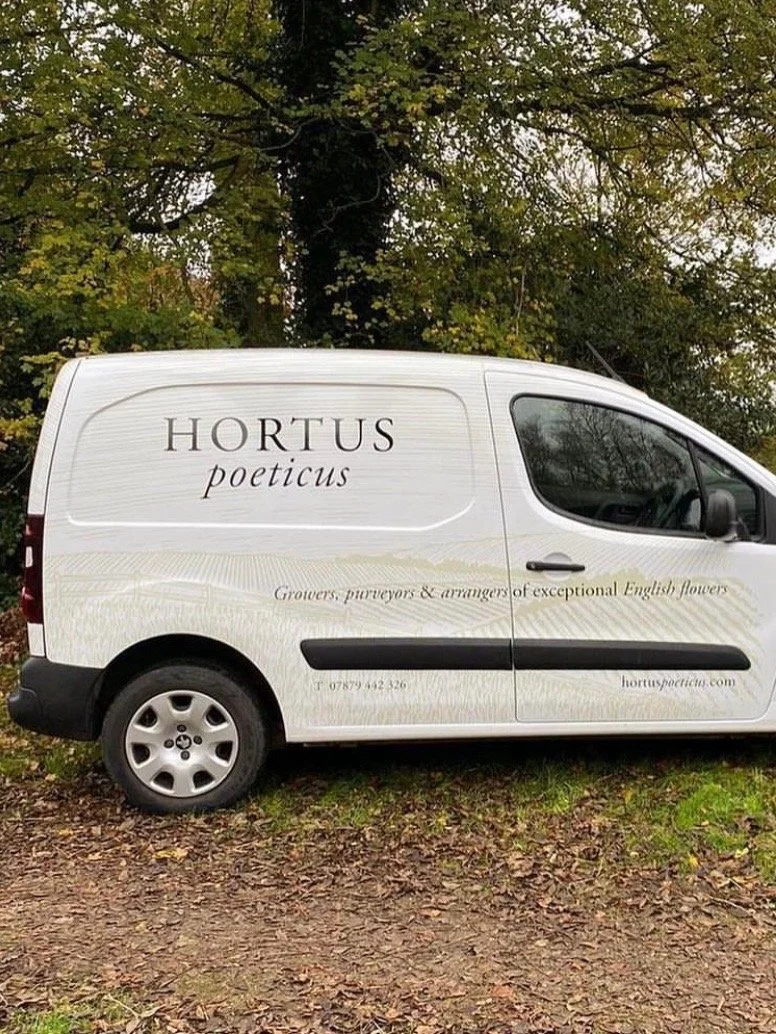
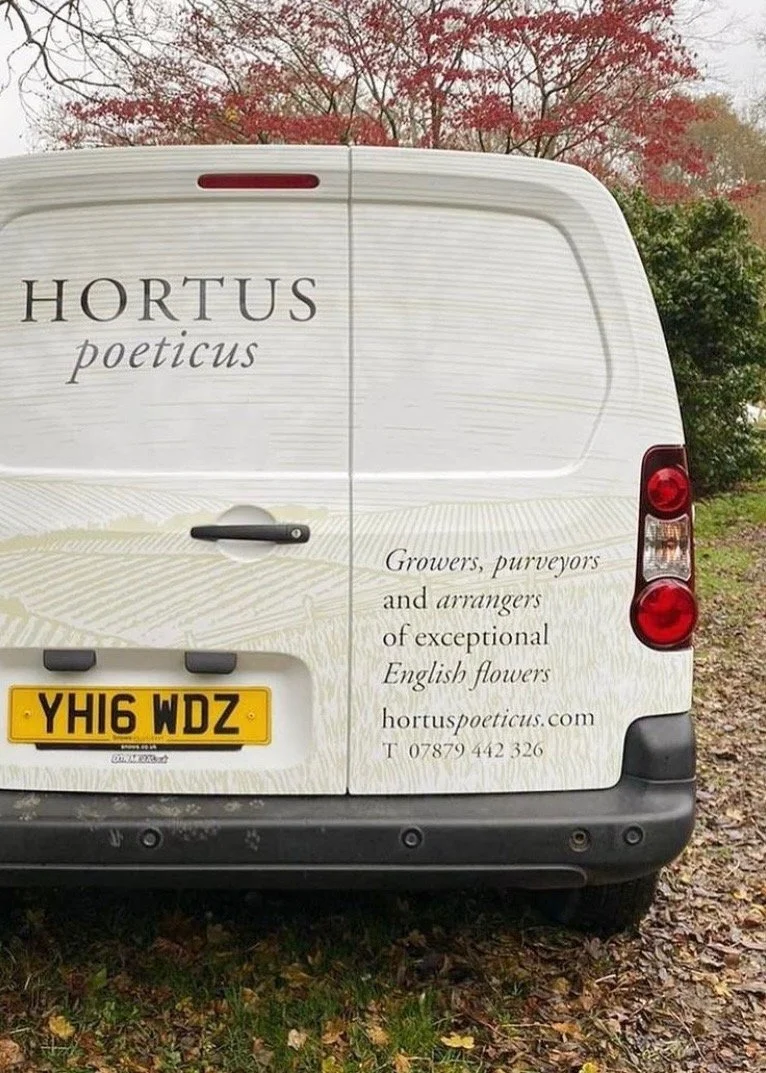
This strategic shift informed how the brand communicates across all touchpoints.
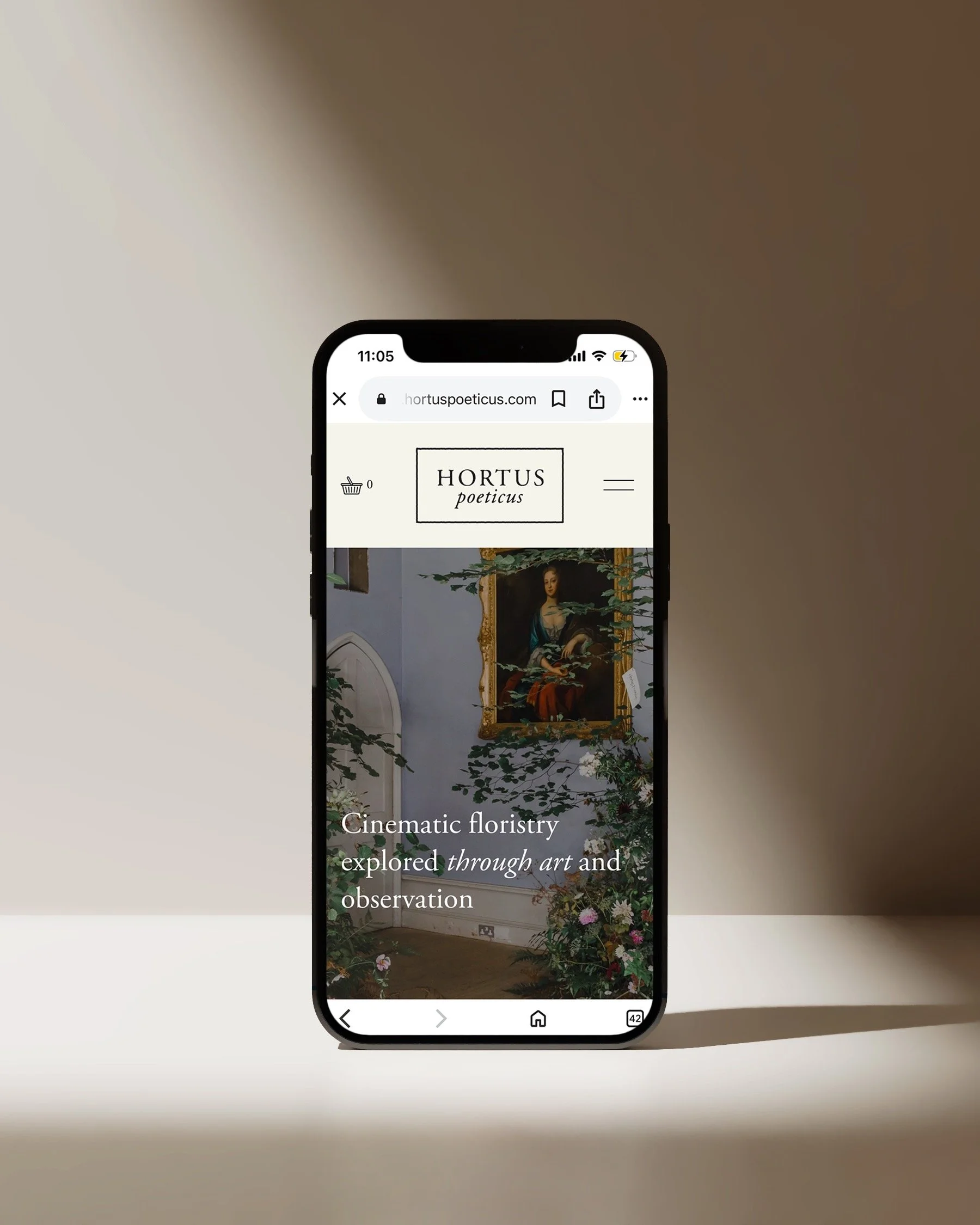
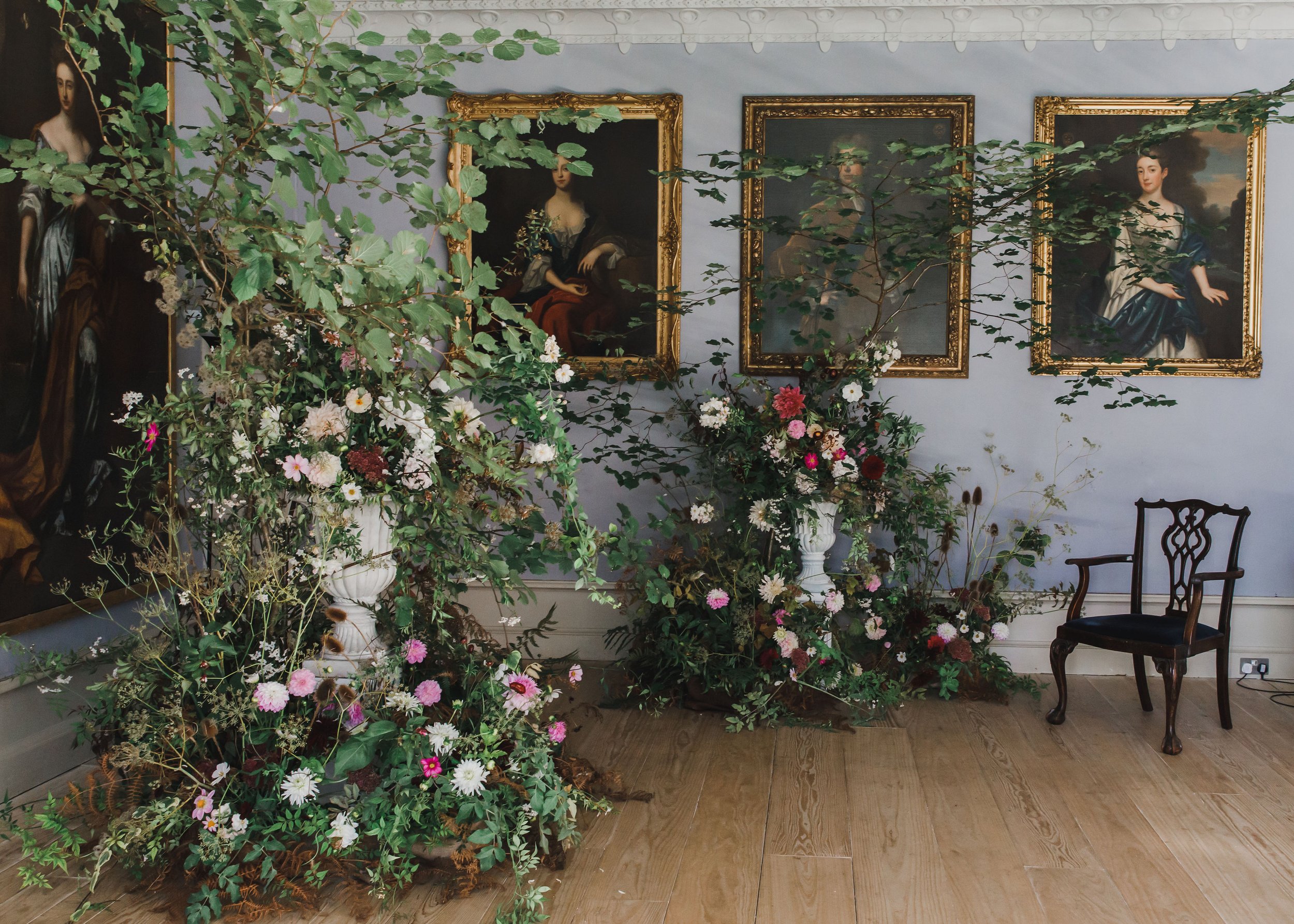
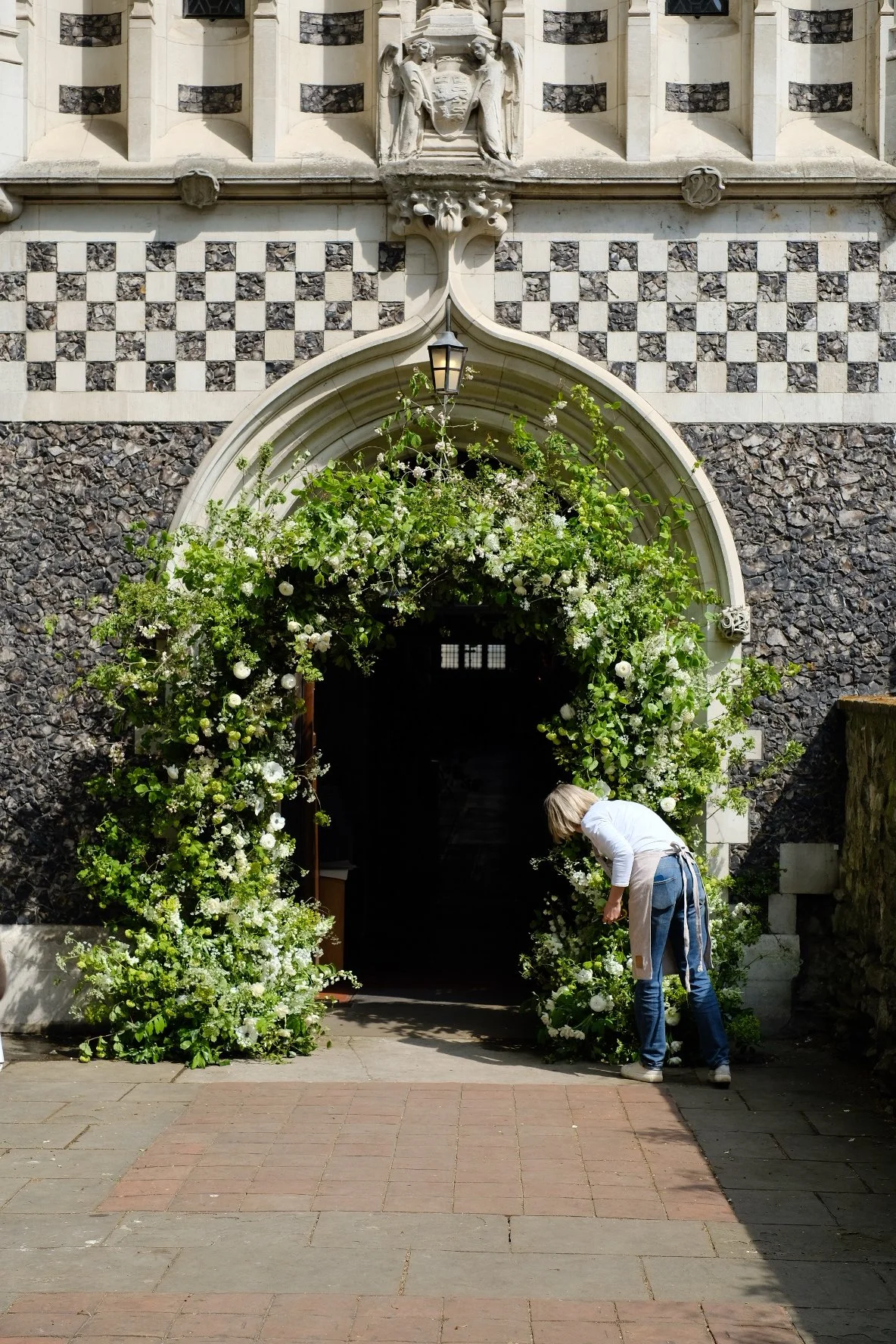
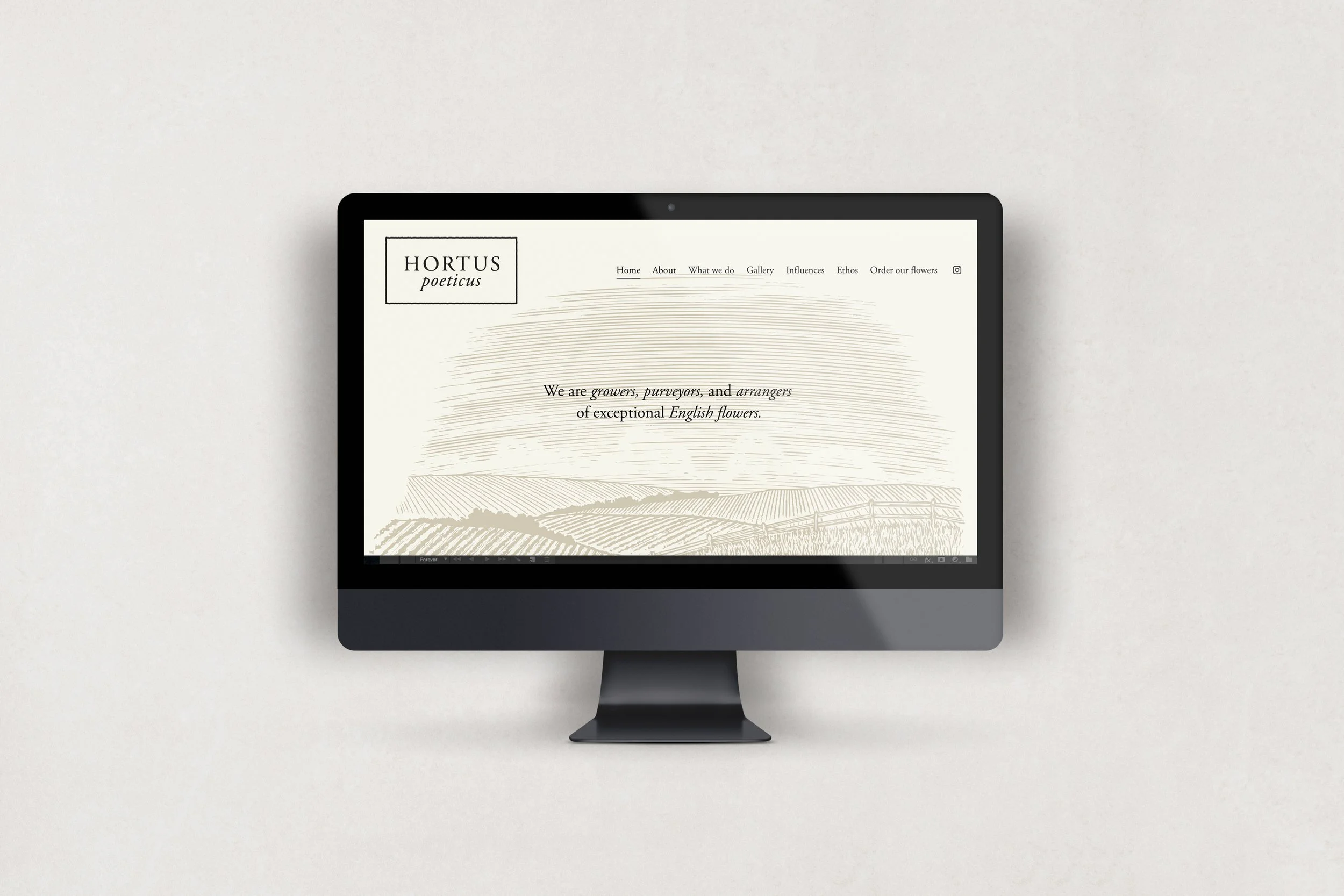
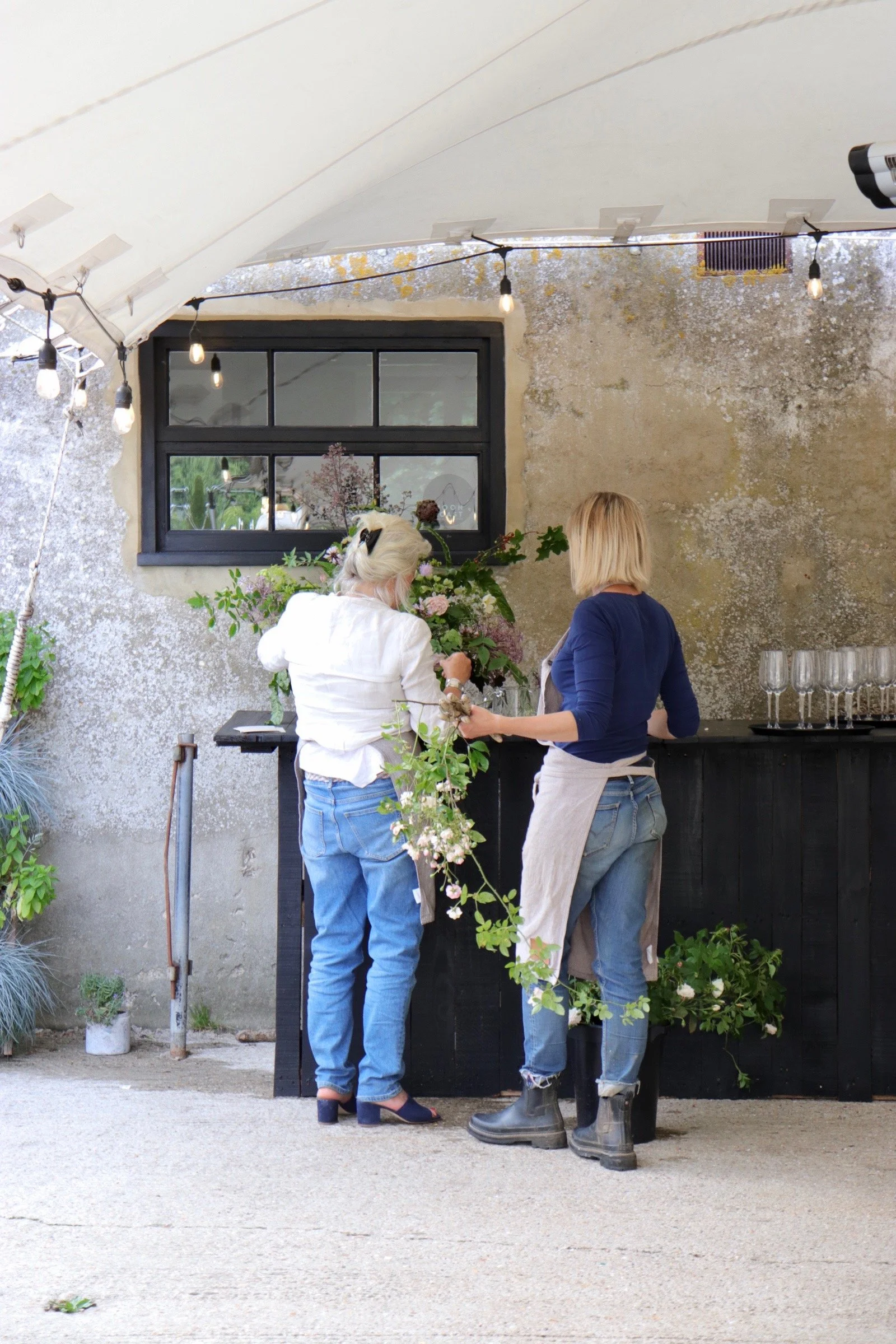
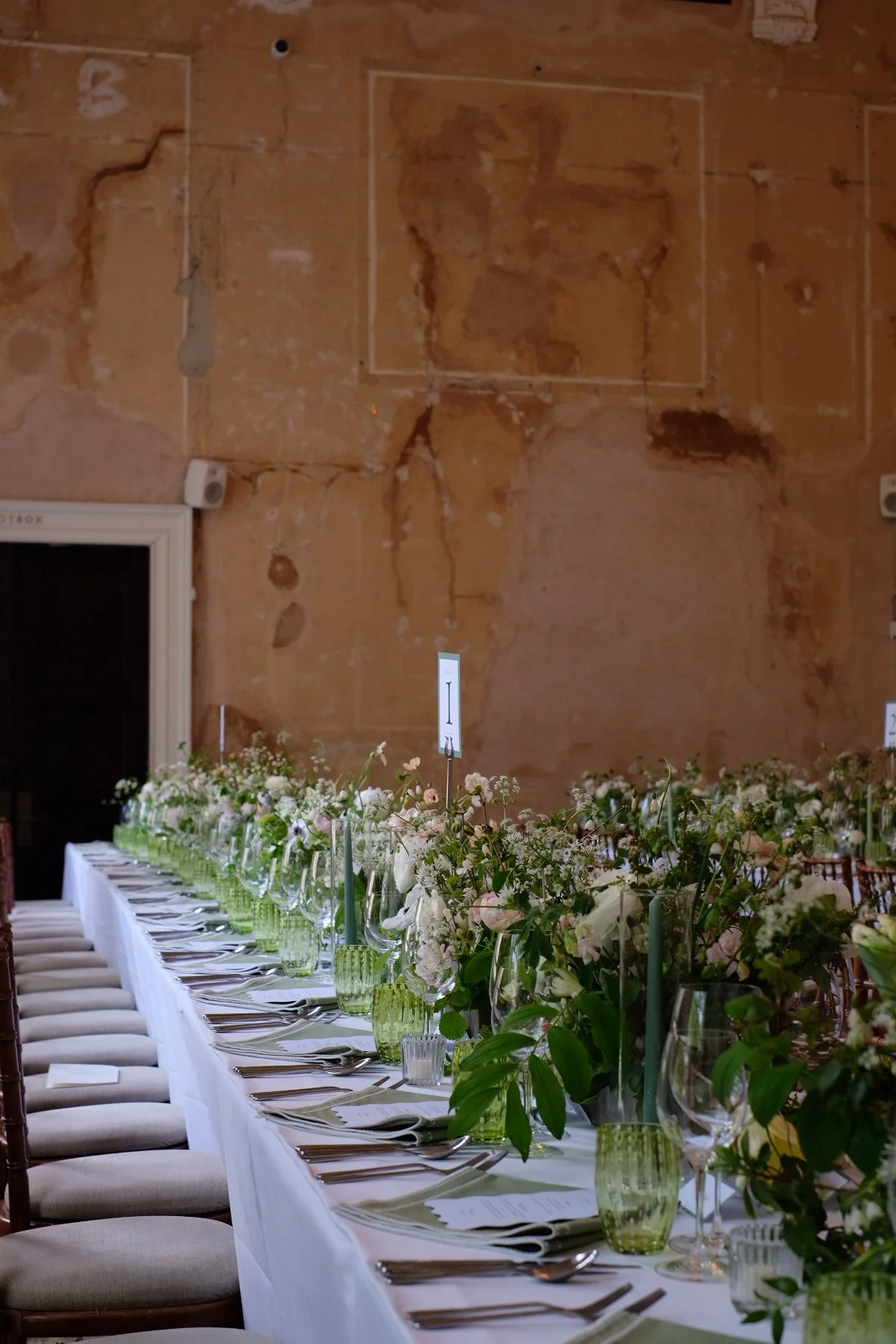
The website was conceived as a primary expression of this. Rather than presenting the farm as a standalone entity, it situates the work within lived environments, country houses, editorial settings, and private interiors.
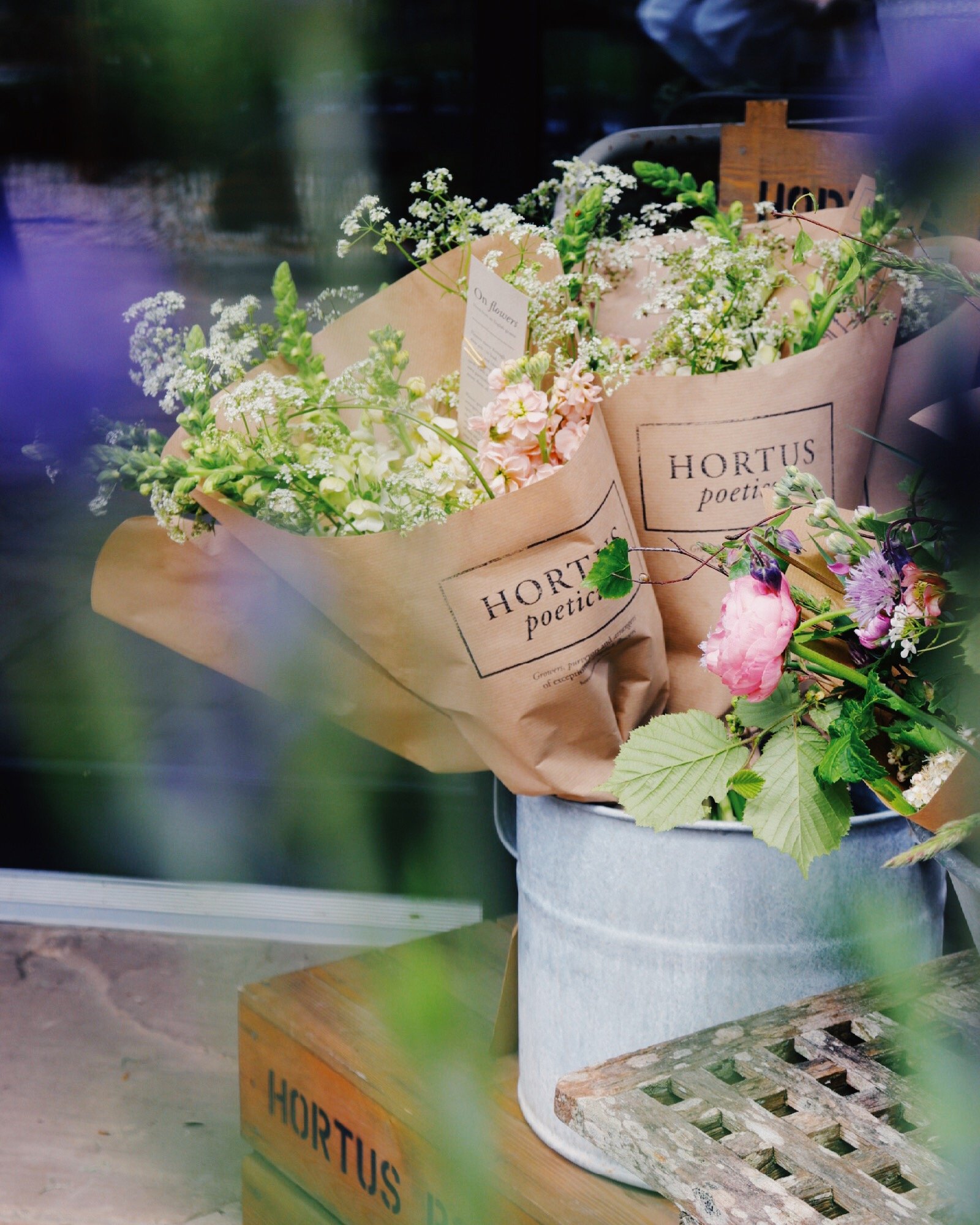
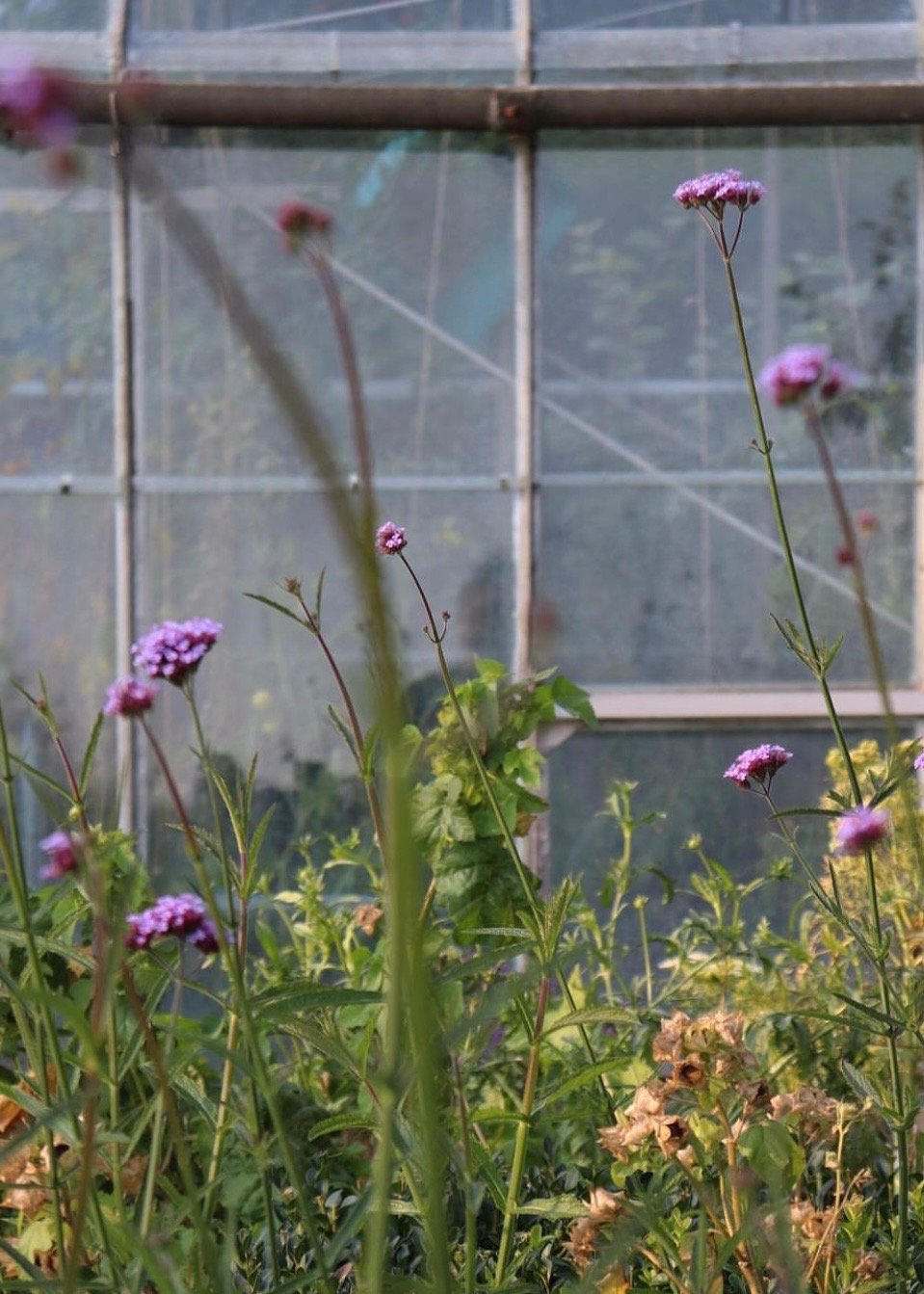
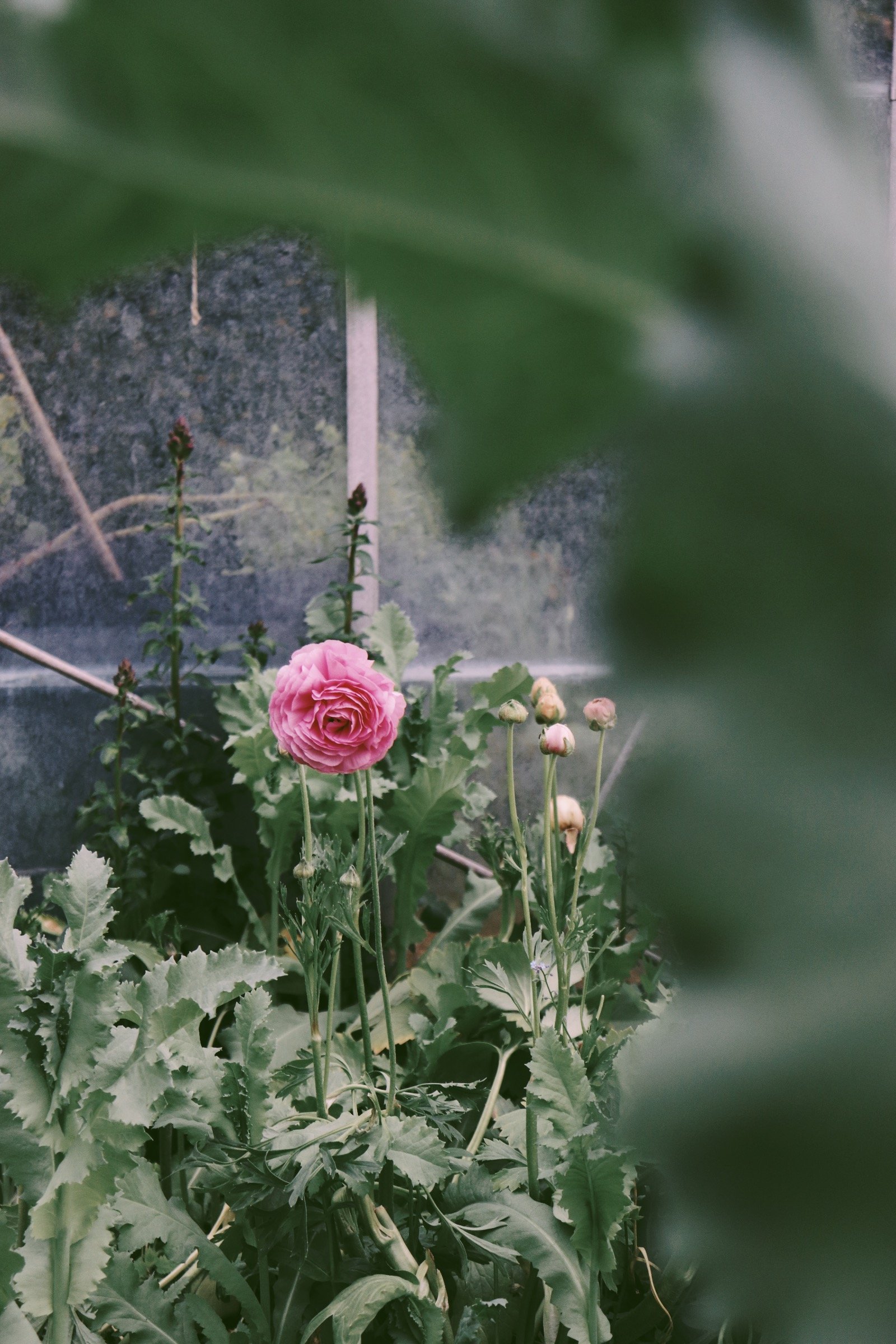
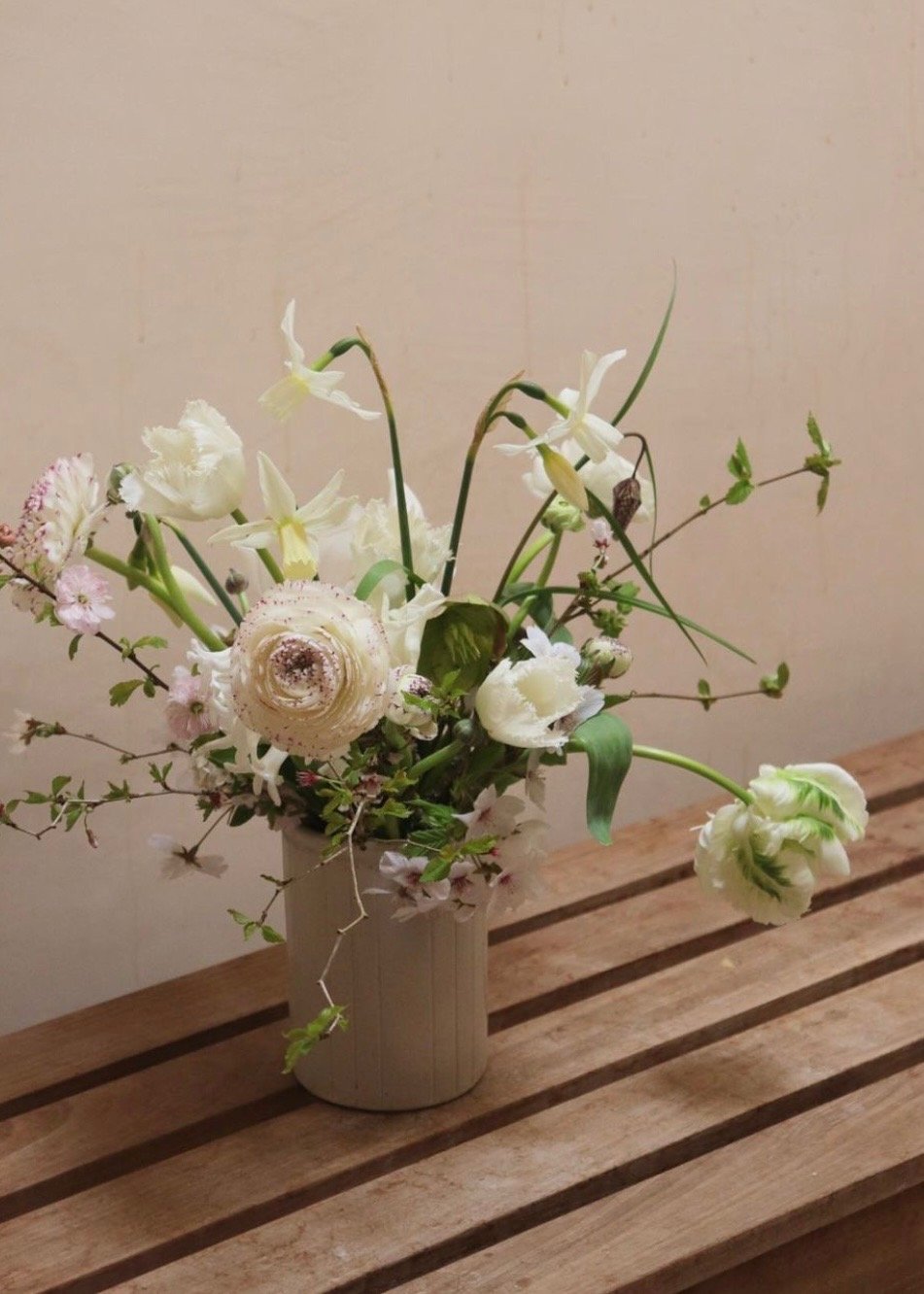
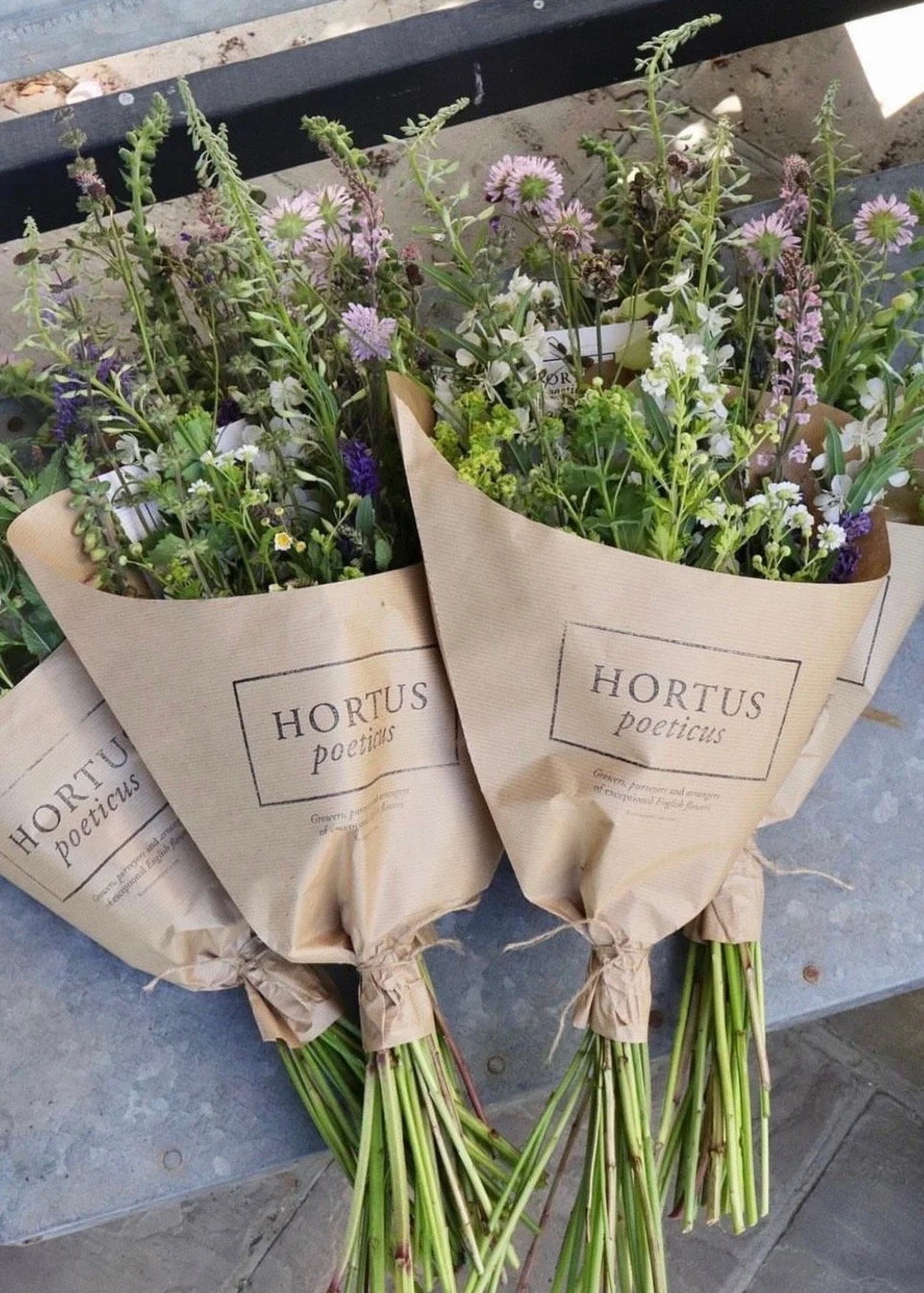
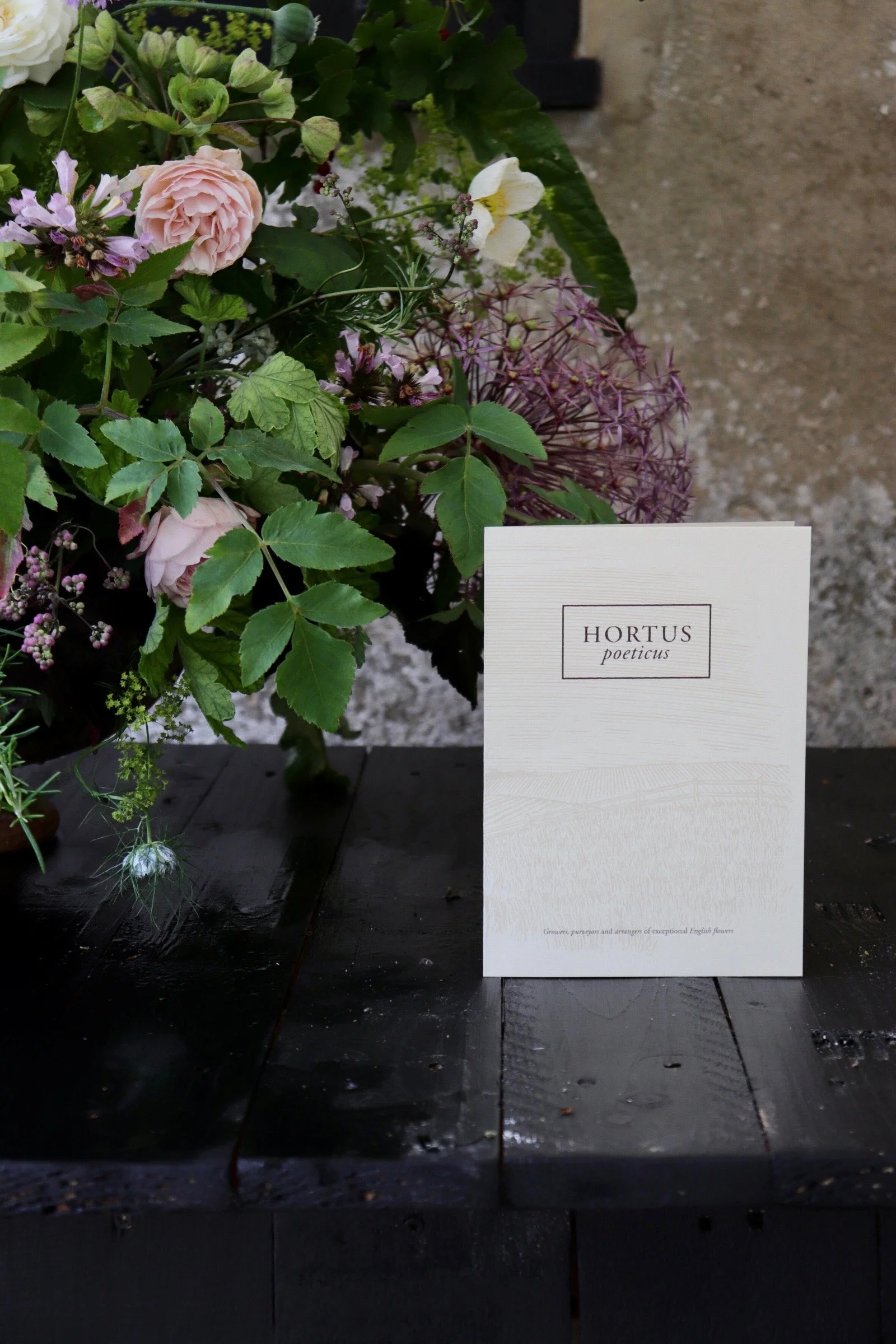
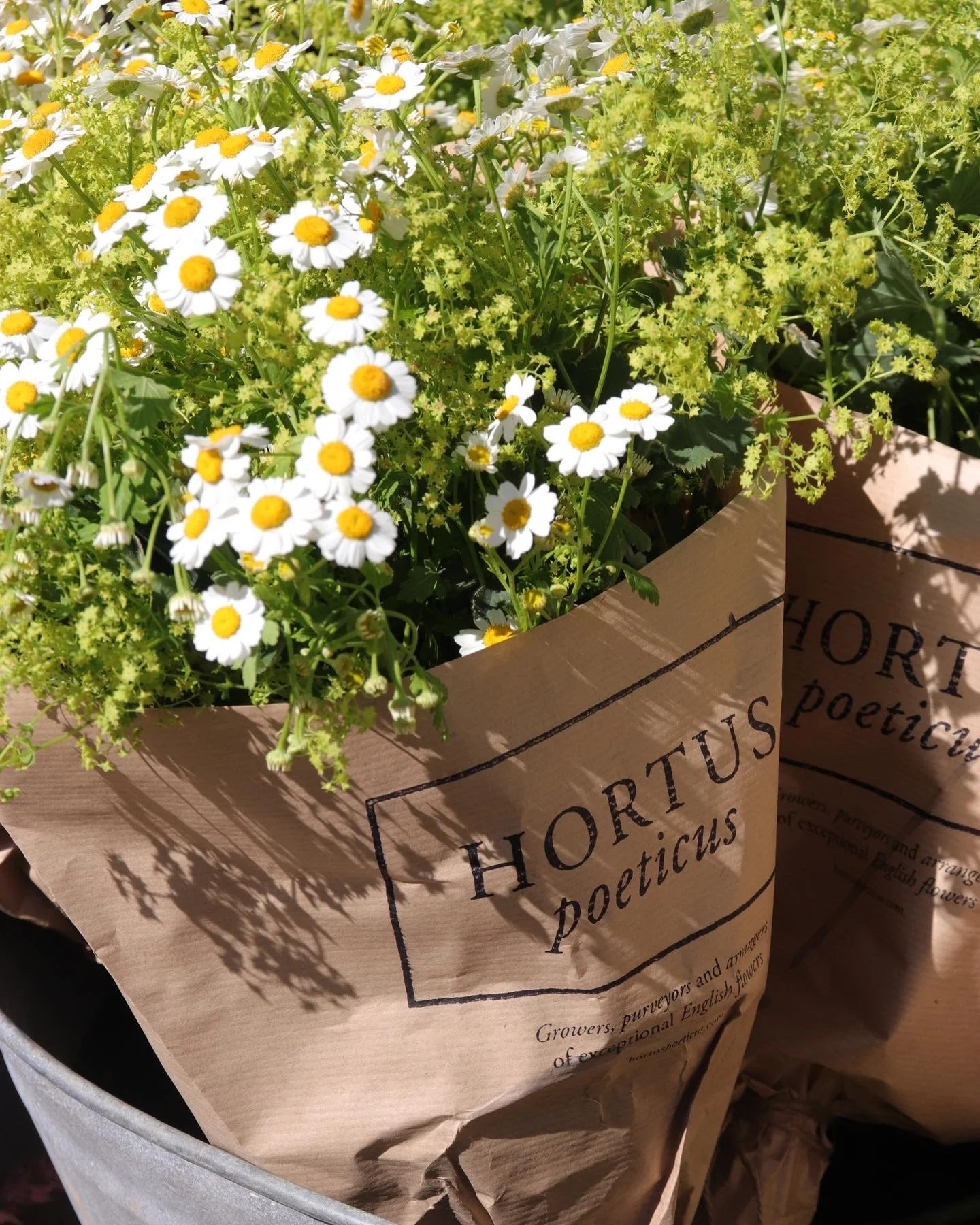
Flowers appear within context: on tables, within rooms, and as part of a broader visual language.
The structure avoids conventional hierarchy. Instead, it allows for lateral movement, encouraging discovery through images, references, and associations, closer to a publication than a transactional site.
Alongside this, I developed a communications framework to guide ongoing activity. This included:
defining content themes rooted in seasonality, place, and cultural reference
identifying partnership opportunities with aligned designers, venues, and publications
shaping a programme of events and activations designed to build depth of engagement rather than scale of reach
The result is a brand that operates with greater clarity and intention, recognisable not only for what it produces, but for the context in which it sits.
A floral practice, repositioned as part of a wider cultural conversation.